






What's Happening?
The U.S. National Highway Traffic Safety Administration (NHTSA) has issued a directive to autonomous vehicle (AV) developers to address a recurring issue where driverless cars interfere with emergency responders. The agency has documented multiple incidents
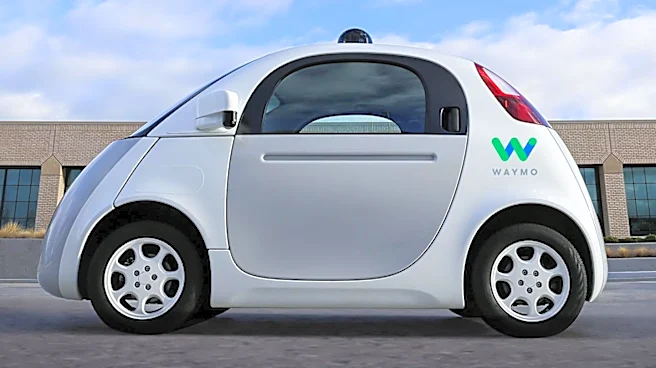
where AVs have obstructed ambulances, fire trucks, and failed to respond appropriately to emergency signals such as flashing lights and traffic cones. This directive follows several incidents involving Waymo vehicles, which have been reported to drive into active emergency scenes and block emergency routes. The NHTSA has given AV developers until the end of the month to propose solutions and plans to hold meetings with these companies to discuss the issue. The agency's letter emphasizes the importance of AVs being able to safely interact with first responders, drawing parallels to the legal consequences faced by human drivers who impede emergency operations.
Why It's Important?
This directive from the NHTSA highlights a critical safety concern in the deployment of autonomous vehicles. The ability of AVs to interact safely with emergency responders is essential for public safety and the broader acceptance of driverless technology. The incidents reported suggest that current AV systems may not be fully equipped to handle real-world emergency scenarios, which could undermine public trust in these technologies. The NHTSA's action underscores the need for rigorous safety standards and accountability in the development of AVs. Companies that fail to address these issues risk facing regulatory penalties and losing their competitive edge in the rapidly evolving autonomous vehicle market.
What's Next?
Autonomous vehicle developers are expected to present their solutions to the NHTSA by the end of the month. The agency will likely evaluate these proposals to ensure they adequately address the safety concerns raised. The outcome of these discussions could influence future regulatory standards for AVs, particularly regarding their interaction with emergency services. Additionally, the NHTSA's simultaneous move to relax certain equipment requirements for AVs suggests a complex regulatory landscape where safety and innovation must be balanced. The response from AV companies and the effectiveness of their proposed solutions will be closely watched by industry stakeholders and regulators.