





What's Happening?
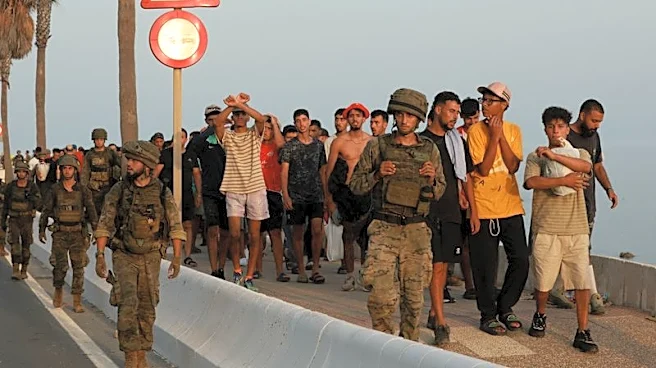
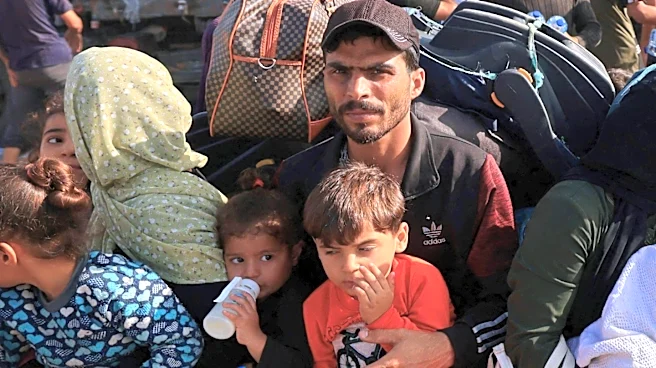
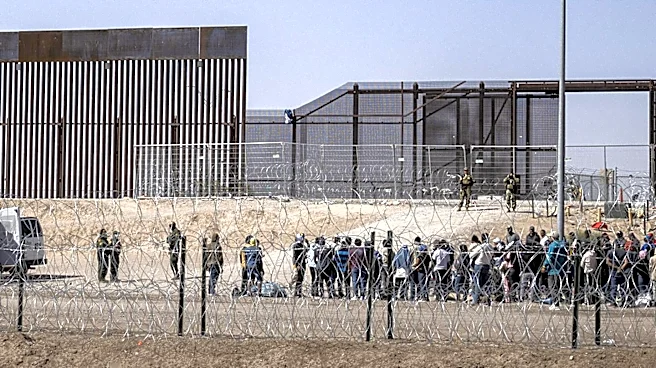
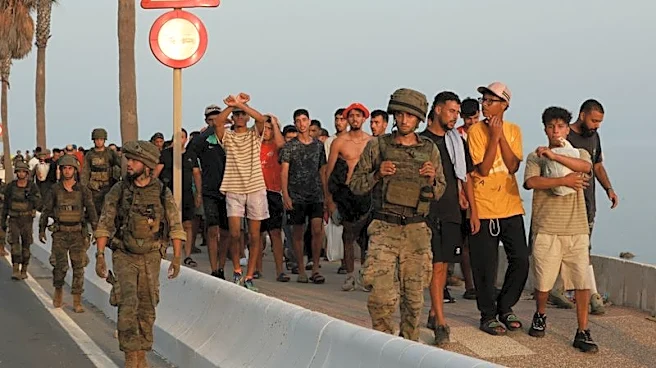
The European Union's border patrol, particularly through its agency Frontex, is under scrutiny for alleged human rights violations and illegal pushbacks at its external borders. In 2021, Croatian border guards were accused of abusing migrants and forcing
them back to Bosnia, with no subsequent criminal prosecutions. In 2024, Bulgarian authorities allegedly obstructed rescue efforts, leading to the deaths of three teenage boys near the Turkish border. These incidents highlight ongoing concerns about the EU's border security practices, with rights groups calling for accountability and improved measures to protect human rights. The EU is investing in security research, allocating €12 million for advanced border surveillance and situational awareness by 2026.
Why It's Important?
The allegations against EU border patrols raise significant concerns about the treatment of migrants and the adherence to international human rights standards. The lack of accountability for reported abuses could undermine the EU's credibility and its commitment to human rights. The situation also poses a challenge to the EU's internal cohesion, as member states grapple with differing approaches to border security and migration. The EU's investment in security research aims to enhance border control, but it must balance this with the protection of human rights to maintain its moral and legal obligations.
What's Next?
The EU is expected to continue its investment in border security technologies, with a focus on improving surveillance and situational awareness. However, there is a growing demand for transparency and accountability in how these technologies are used. Rights groups and international bodies may increase pressure on the EU to ensure that border security measures comply with human rights standards. The EU's response to these challenges will likely influence its future migration policies and its relationships with neighboring countries.
Beyond the Headlines
The ongoing issues at the EU's borders reflect broader geopolitical tensions and the complexities of managing migration flows. The EU's approach to border security could have long-term implications for its role on the global stage, particularly in terms of its ability to uphold human rights while addressing security concerns. The situation also highlights the need for comprehensive migration policies that address the root causes of migration and provide safe and legal pathways for asylum seekers.