





What's Happening?
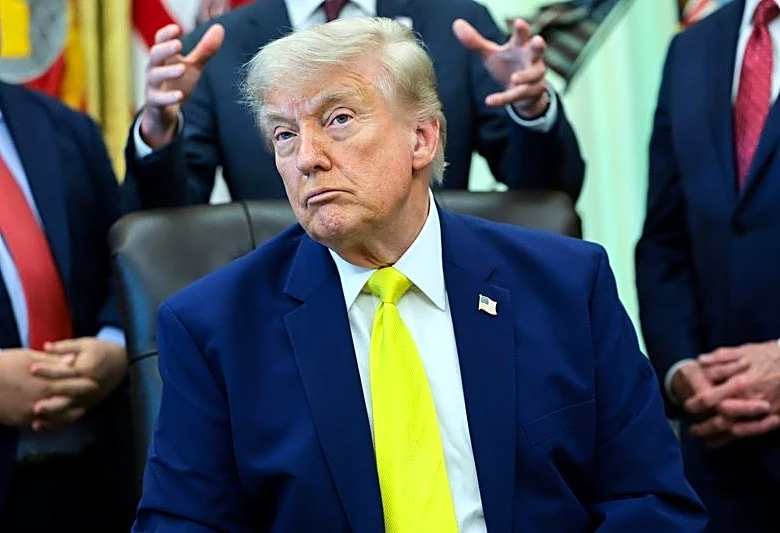
Recent developments indicate a growing rift within the Republican Party concerning President Trump's leadership, particularly on foreign policy and executive power. Notably, four House Republicans joined Democrats to pass a resolution aimed at limiting
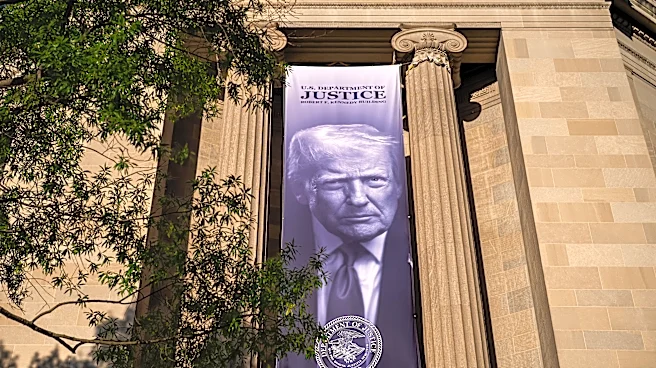
Trump's authority to engage in military action against Iran without congressional approval. This resolution, although largely symbolic, marks a significant political rebuke of Trump's military strategy. Additionally, in a closely watched Iowa gubernatorial primary, Trump's endorsed candidate, Representative Randy Feenstra, was defeated by businessman Zach Lahn, signaling potential limits to Trump's influence within the party. Furthermore, the Department of Justice (DOJ) has abandoned a $1.8 billion 'anti-weaponization fund' following legal challenges and Republican backlash, further highlighting internal GOP resistance.
Why It's Important?
These events underscore a notable shift within the Republican Party, as some members express unease with President Trump's approach to governance. The House resolution against military action in Iran reflects concerns over the legality and political ramifications of unilateral military decisions. The Iowa primary defeat of a Trump-endorsed candidate suggests that Trump's influence may be waning, particularly in areas where alternative conservative movements are gaining traction. The DOJ's decision to scrap the 'anti-weaponization fund' after Republican criticism indicates internal divisions that could impact legislative priorities and party unity. These developments could have significant implications for the GOP's strategy and cohesion as the 2026 midterm elections approach.
What's Next?
The Republican Party may face further internal challenges as it navigates these divisions. The resolution on Iran war powers, while symbolic, could prompt further legislative efforts to assert congressional authority over military actions. The Iowa primary results may encourage other GOP candidates to distance themselves from Trump-endorsed figures, potentially reshaping primary strategies. The abandonment of the DOJ fund could lead to renewed debates over government accountability and the distribution of resources. As the 2026 midterms near, the GOP will need to address these internal conflicts to maintain party unity and electoral competitiveness.