







What's Happening?
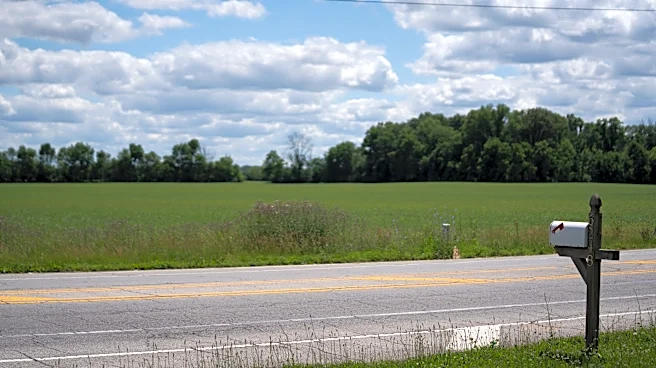
West Bountiful city officials are evaluating a proposal for an 884-home development on 174 acres along Legacy Parkway. This plan would introduce townhomes and condominiums to an area previously zoned for farms and one-acre lots. The concept, presented
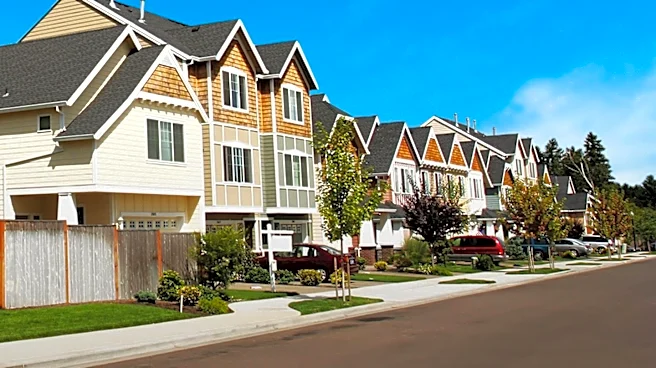
to residents at a community meeting, combines two properties: the northern 85.5 acres owned by Ivory Homes, known as Belmont, and the southern 88.8 acres, Providence, belonging to Seddie LLC. The developers are proposing a mixed residential density with neighborhood parks, including a developer-funded park with a full-size field, youth fields, pickleball courts, a basketball court, pavilions, and trails. The city highlighted three pressures influencing this consideration: housing affordability, the risk to local control from state preemption or annexation, and property rights. While preliminary traffic and water studies suggest existing infrastructure can support the concept, further studies on schools, fire services, sewer systems, and wetlands are pending. No formal applications have been filed yet.
Why It's Important?
This development is significant for West Bountiful as it represents a substantial shift in land use from agricultural to high-density residential, potentially altering the city's character and infrastructure demands. The discussion around 'local control' is particularly crucial, as city officials are concerned about state preemption of local zoning authority if they continue to block attainable housing developments. This reflects a broader trend in the U.S. where state governments are increasingly intervening in local zoning decisions to address housing shortages, potentially reducing the autonomy of municipalities. The project's emphasis on affordability, with a mix of housing types, aims to address the city's average home value of $535,000 against a $115,000 median income. The outcome will set a precedent for how West Bountiful balances growth, affordability, and its ability to self-govern land use decisions in the face of state-level housing mandates.
What's Next?
The city has not yet received formal applications for the development. If applications are submitted, the preliminary traffic and water studies will need to be redone, and new studies will be required to assess the impact on schools, the fire district, the sewer district, and wetlands. Before construction can begin, the concept would necessitate a development agreement, annexation, zoning changes, and subdivision approvals. The city's project page will post any applications once they are submitted. The ongoing dialogue between city officials, developers, and residents will likely continue as the project progresses through these stages, with community input playing a role in shaping the final plan. The city's response to the state's push for attainable housing will be closely watched, as it could influence future development policies and the balance of power between local and state authorities.
Beyond the Headlines
The West Bountiful development proposal underscores a national tension between local autonomy and state-level efforts to address housing crises. The concept of 'Builder's Remedy' or similar state preemption laws, which limit local control over zoning, is a growing concern for many municipalities. This situation highlights the ethical dilemma of balancing community character and existing residents' preferences with the broader societal need for affordable and attainable housing. The long-term implications could include a shift in the demographic and economic landscape of West Bountiful, as well as a redefinition of what 'local control' truly means in an era of increasing state intervention. The project also raises questions about environmental sustainability, given the conversion of agricultural land and the potential strain on natural resources and existing infrastructure, even with preliminary studies suggesting absorption capacity.