

What's Happening?
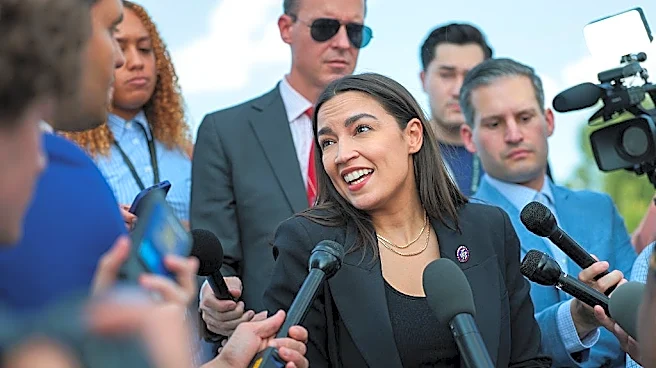
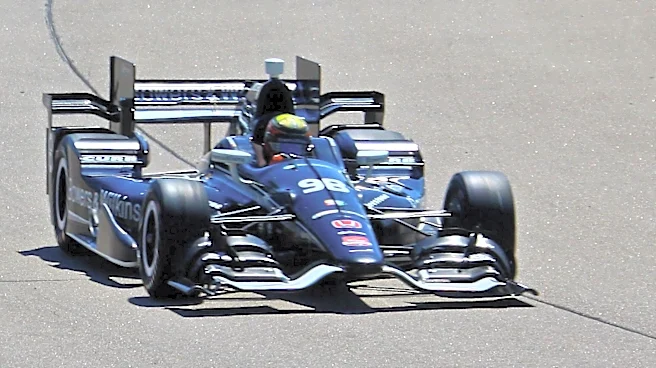
U.S. Representative Mark Pocan, who represents Wisconsin's second congressional district, faced criticism for mistakenly identifying an IndyCar race as Formula 1 in a social media post. The post, published on X, criticized President Trump for attending
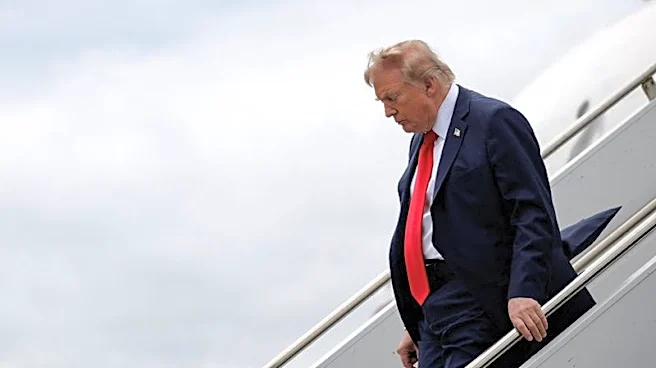
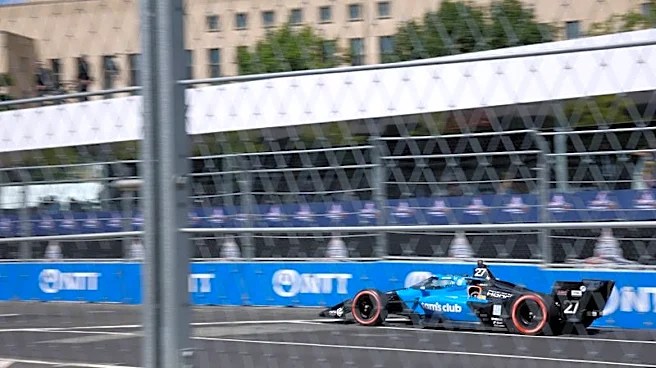
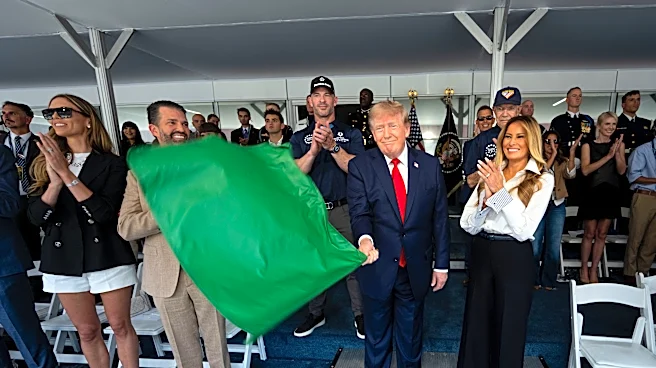
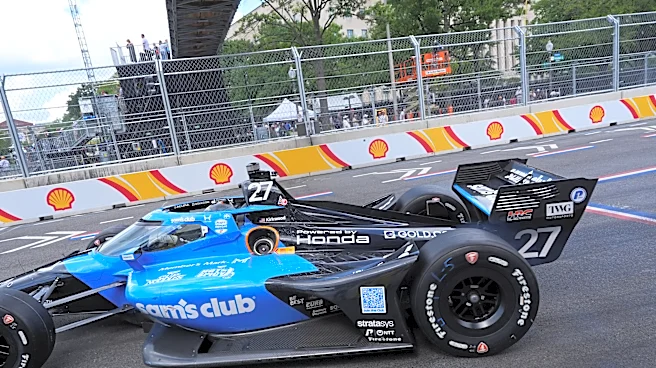
the 'Freedom 250' race in Washington D.C. instead of addressing issues like the conflict with Iran and nationwide inflation. IndyCar driver Graham Rahal, among others, corrected Pocan, highlighting the economic impact of IndyCar events in Wisconsin, Pocan's home state, which hosts two IndyCar events this year. Pocan's original post was subsequently deleted. The 'Freedom 250' was an IndyCar race, not a Formula 1 event, and was won by Kyle Kirkwood. President Trump attended the race, did a lap in his presidential limousine, and waved the green flag to start the competition.
Why It's Important?
This incident underscores the potential for miscommunication and factual errors in political commentary, particularly on social media platforms. For the IndyCar series, the correction by Graham Rahal and other users served to defend the sport's identity and emphasize its economic contributions, especially in states like Wisconsin. Rahal specifically pointed out the economic impact of IndyCar in Pocan's state, which includes jobs, income for businesses, and hospitality revenue. The misidentification could have inadvertently diminished the public perception of IndyCar, a distinct and significant American motorsport. The swift correction by figures within the racing community highlights their vigilance in protecting the sport's brand and recognition, especially when it becomes entangled in political discourse.
What's Next?
Following the deletion of his original post, Representative Pocan has not issued a public clarification or apology regarding the misidentification. The IndyCar series is proceeding with its scheduled events, including a doubleheader at the Milwaukee Mile in Wisconsin, which is in Pocan's represented state. This event, along with the earlier race at Road America, continues to bring economic activity to Wisconsin. The incident may serve as a reminder for public figures to verify details before making public statements, particularly when commenting on events that have specific cultural or economic significance to their constituents. The focus for the racing community will likely shift back to the ongoing competition and the championship race, with the Milwaukee Mile races being particularly meaningful due to their impact on the points differential.
Beyond the Headlines
The incident highlights the broader challenge of factual accuracy in the age of rapid digital communication and the intersection of sports and politics. When public figures comment on events, even seemingly minor factual errors can draw significant attention and criticism, especially from communities deeply invested in those events. It also illustrates how political statements, even those intended to critique a political opponent, can inadvertently affect other sectors, such as sports, by misrepresenting them. The quick response from the IndyCar community demonstrates the importance of brand identity and the readiness of stakeholders to defend their industry against inaccuracies, regardless of the political context. This event could contribute to a larger conversation about the responsibility of public officials in their online communications and the impact of their words on various industries and communities.