


What's Happening?
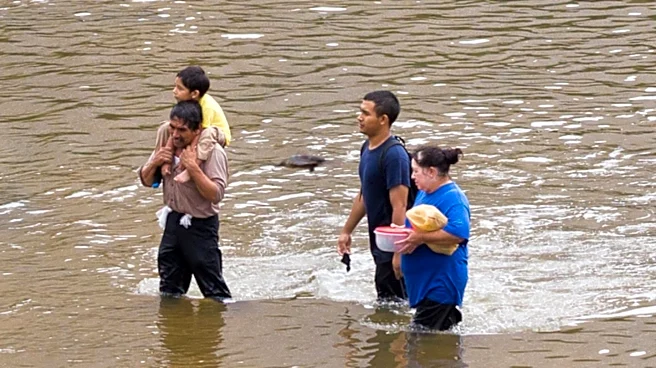
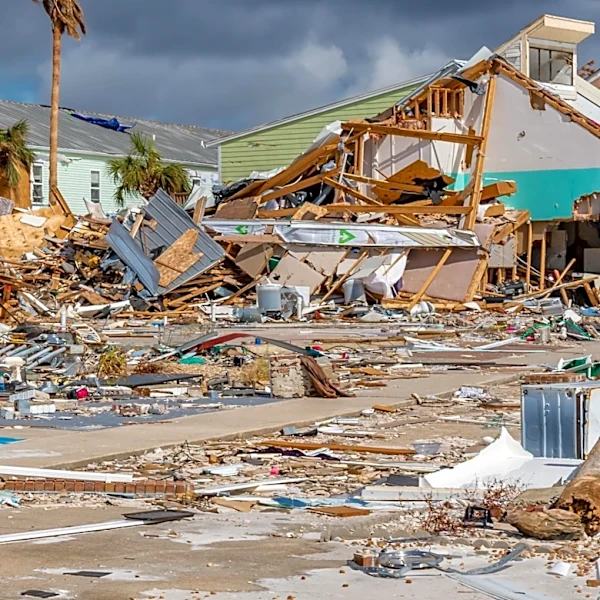
Hurricane City in Utah experienced significant flash flooding, which city officials attribute to an overwhelming volume of water and debris originating from outside city limits. City Manager Caden DeMille stated that despite preparations for flash flooding, the
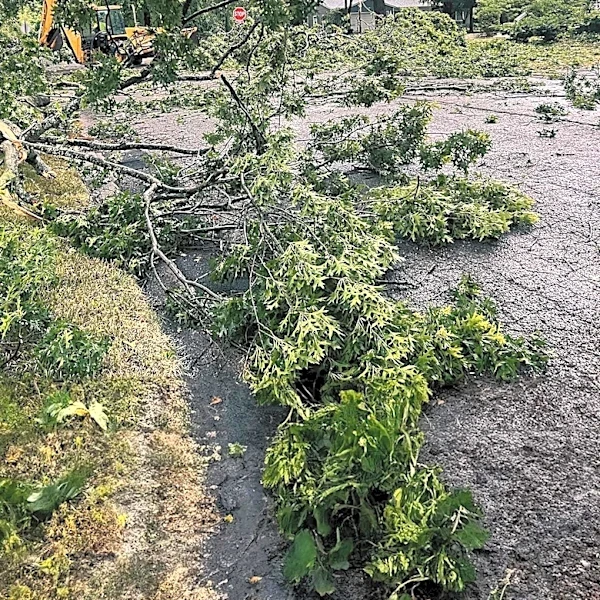
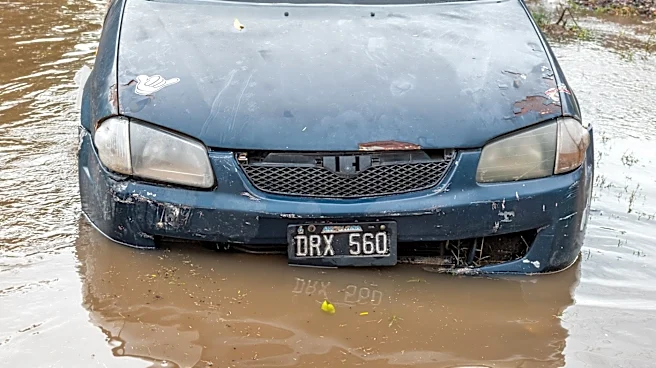
sheer amount of water and debris, including large trees and stumps, flowed into town through the Gould Wash from areas east of the city. Crews are currently engaged in cleanup efforts at the Pecan Townhomes, washing roads, removing damaged property, and clearing storm drains. DeMille emphasized that there were no failures within Hurricane City's infrastructure and that the wash had been prepped for impact. The city, in partnership with the NRCS, is now pursuing a federal program to construct a dry detention basin, the Gould Wash Flood Protection Project at the Warner Draw Watershed, on the east bench of Hurricane City to mitigate future flooding from Colorado City and Apple Valley.
Why It's Important?
This event highlights the increasing vulnerability of communities to extreme weather events and the complex challenges of managing water flow and debris from upstream areas. Hurricane City's experience underscores that local preparations may be insufficient when external factors, such as out-of-town debris and excessive water volume, overwhelm existing infrastructure. The proposed Gould Wash Flood Protection Project signifies a proactive approach to regional flood control, recognizing that effective solutions often require collaboration beyond municipal boundaries. Securing $67 million in funding for this project would represent a substantial investment in climate resilience and infrastructure development, potentially setting a precedent for other communities facing similar challenges. The impact on homeowners, like Brenna Stucki, emphasizes the personal and financial toll of such disasters and the urgent need for preventative measures.
What's Next?
Hurricane City and the NRCS are awaiting approval for their design of the Gould Wash Flood Protection Project in the coming weeks. Following approval, the focus will shift to securing the necessary $67 million in funding for the project. If funded, the project will involve constructing a dry detention basin designed to regulate water discharge into the Gould Wash, protecting people, structures, and infrastructure within Hurricane City. City Manager Caden DeMille cited the success of a similar detention basin for the Frog Hollow Wash as an example of what the new project could achieve. The city will continue its efforts to ensure proper water drainage and manage existing facilities. Additionally, a GoFundMe campaign has been established to support victims of the flash flooding, indicating ongoing community recovery efforts.
Beyond the Headlines
The Hurricane City flooding incident brings to light the broader implications of climate change and altered weather patterns on urban planning and infrastructure. The concept of 'out-of-town debris' causing local devastation points to the interconnectedness of ecosystems and human settlements, where environmental changes in one area can have cascading effects downstream. This situation could prompt a re-evaluation of regional water management strategies and inter-jurisdictional cooperation in flood mitigation. The reliance on federal programs for significant infrastructure projects also underscores the financial burden on local governments and the critical role of national support in building climate resilience. Furthermore, the personal stories of affected residents, like Brenna Stucki, highlight the emotional and economic stress caused by such events, emphasizing the need for robust community support and long-term recovery planning.