


What's Happening?
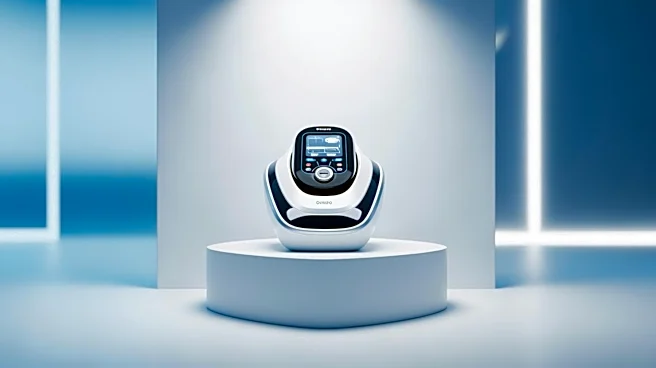
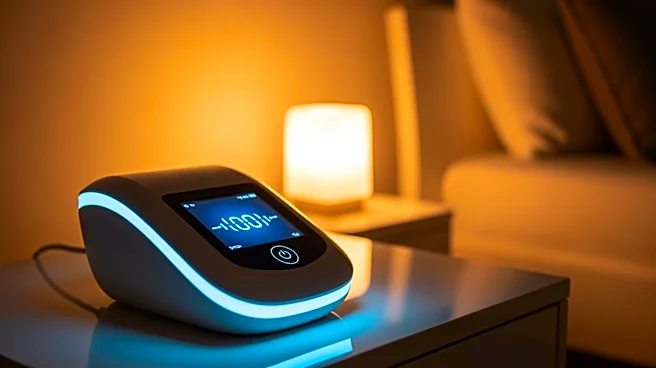
The landscape of healthcare is shifting towards home-based management for chronic conditions, with the adoption of Portable Needle Aid Tools playing a crucial role. These tools are designed to improve treatment adherence and patient comfort by automating
the mechanical aspects of injection processes. This development is part of a broader strategy to decentralize healthcare, reducing the burden on traditional hospital systems. The tools are engineered to ensure precision in medication administration, minimizing the risk of tissue trauma and enhancing pharmacological efficacy. Additionally, they address psychological barriers by concealing needles during use, which helps reduce anxiety associated with self-injection. The integration of smart technology into these devices allows for real-time monitoring and feedback, enabling proactive management of chronic conditions like diabetes.
Why It's Important?
The shift towards home-based medical care is significant as it empowers patients to manage their health independently, reducing reliance on hospital visits. This is particularly important for individuals with chronic conditions who require frequent medication administration. By improving adherence and comfort, these tools can lead to better health outcomes and quality of life. The integration of smart technology provides continuous health monitoring, allowing for timely adjustments in treatment plans. This approach not only enhances patient autonomy but also has the potential to reduce healthcare costs by minimizing hospital admissions and complications from poorly managed conditions. The development of these tools reflects a growing trend towards personalized medicine, offering solutions tailored to individual needs and lifestyles.
What's Next?
Future developments in medical device technology are likely to focus on creating 'closed-loop' systems where monitoring devices and administration tools communicate directly. These systems could automate parts of the medication delivery process, further simplifying home-based care. As these technologies advance, regulatory bodies will need to ensure they meet safety and efficacy standards. The global expansion of manufacturers, particularly from regions like China, will continue to drive innovation and make these tools more accessible worldwide. This international cooperation is essential for addressing public health challenges and ensuring that medical advancements benefit a broad range of patients.
Beyond the Headlines
The evolution of home medical devices highlights the importance of user-centered design in healthcare. By addressing both the practical and emotional needs of patients, these innovations foster greater independence and confidence in managing health conditions. The focus on ergonomic and eco-friendly designs also reflects a commitment to sustainability and patient well-being. As the industry progresses, the emphasis will remain on integrating medical care seamlessly into daily life, making it less intrusive and more humane. This approach not only improves patient outcomes but also aligns with broader healthcare goals of accessibility and equity.