




What's Happening?
The Trump administration is intensifying its support for Sable Offshore Corp. in its legal conflict with California regulators over an oil pipeline. Energy Secretary Chris Wright, Interior Secretary Doug Burgum, and Transportation Secretary Sean Duffy
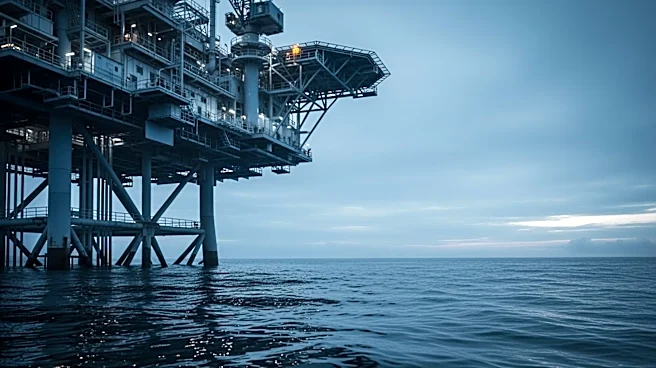
are visiting Santa Barbara to strategize on overcoming regulatory challenges. This visit coincides with calls from Sen. Adam Schiff and former House Speaker Nancy Pelosi for an investigation into communications between Sable executive James Flores and President Trump. The legal dispute centers around Sable's efforts to resume oil production through a pipeline crossing Gaviota State Park. Recently, federal Judge Stephen Wilson ruled against California State Parks' request for a temporary restraining order to halt Sable's operations, citing insufficient evidence of irreparable harm. California Governor Gavin Newsom is actively opposing the pipeline, citing environmental concerns and state authority. Meanwhile, Californians face increased gas prices due to a new tax hike.
Why It's Important?
This legal and political standoff has significant implications for environmental policy and state versus federal authority. California's efforts to halt the pipeline reflect broader concerns about environmental protection and state rights. The Trump administration's backing of Sable Offshore highlights federal priorities in energy production and national security. The outcome of this dispute could set precedents for future conflicts between state and federal jurisdictions over environmental regulations. Additionally, the gas tax increase in California may impact consumer costs and economic dynamics within the state, potentially influencing public opinion and political strategies.
What's Next?
The legal battle is expected to continue, with Judge Wilson's ruling likely to be appealed. The case may further explore the authority of California's State Fire Marshal versus the federal Pipeline and Hazardous Materials Safety Administration. The broader implications of the Defense Production Act order and its constitutional validity may also be examined. Stakeholders, including environmental groups, political leaders, and industry representatives, are likely to remain engaged in this ongoing dispute, influencing public discourse and policy decisions.
Beyond the Headlines
The case raises questions about the balance of power between state and federal governments in regulating environmental and energy policies. It also highlights the role of political influence and campaign contributions in shaping policy decisions. The involvement of high-profile political figures and the potential for constitutional challenges underscore the complexity of the issue. Long-term, this dispute could affect how energy projects are managed and regulated across the U.S., impacting environmental standards and economic interests.