





What's Happening?
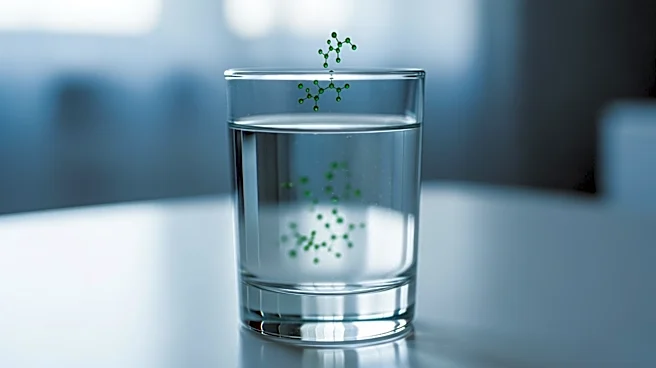
A study conducted by researchers at MIT has found that exposure to NDMA-contaminated water significantly increases the risk of cancer in children compared to adults. NDMA, a carcinogen found in some medications and industrial processes, was detected in drinking
water in Wilmington, Massachusetts, leading to a higher incidence of childhood cancer in the area. The study, published in Nature Communications, highlights the vulnerability of juveniles to NDMA due to their rapid cell division, which increases the likelihood of DNA damage and cancer development. The research underscores the need for safety testing that considers the impact of carcinogens on younger populations.
Why It's Important?
The findings of this study have significant implications for public health and regulatory policies. The increased susceptibility of children to NDMA highlights the importance of stringent environmental regulations and monitoring to prevent exposure to harmful chemicals. This research could influence future safety testing protocols, emphasizing the need to evaluate the effects of potential carcinogens across different age groups. The study also raises awareness about the long-term health risks associated with industrial contamination and the critical need for preventive measures to protect vulnerable populations, particularly children, from environmental hazards.
What's Next?
The study's authors advocate for changes in safety testing paradigms to include younger animals, which could lead to earlier detection of carcinogenic risks. Regulatory agencies may need to reassess current standards and implement stricter controls on industrial emissions and water quality to prevent similar incidents. The research team plans to further investigate the impact of other factors, such as diet and inflammation, on NDMA-induced cancer risk. These efforts could contribute to a better understanding of the mechanisms behind carcinogen-induced cancer and inform public health strategies to mitigate exposure risks.