



What's Happening?
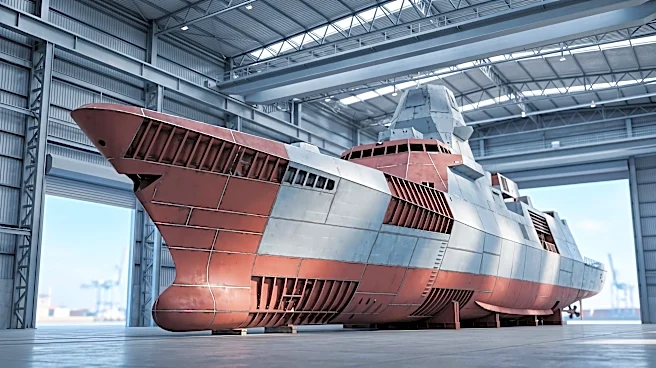
Australia has laid the keel for the first Hunter-class frigate, NUSHIP Hunter, at the Osborne Naval Shipyard in South Australia. This event marks the beginning of the full assembly of the Royal Australian Navy's new anti-submarine warships. The Hunter-class design
is derived from the Royal Navy's Type 26 frigate but has undergone significant modifications, resulting in a considerably larger and differently equipped vessel. The program, which initially ordered nine frigates in 2018, has been reduced to six following a 2024 surface fleet review by the Australian government. The ships are primarily designed for anti-submarine warfare but have been re-engineered to possess enhanced air defense capabilities compared to their British counterparts. BAE Systems, the company responsible for the construction, states that while the program has experienced substantial delays and cost growth, largely due to radar-related redesigns since the Type 26 platform was chosen in 2018, construction is now adhering to its revised schedule. The first ship is anticipated to be delivered to the Royal Australian Navy in the early 2030s.
Why It's Important?
The Hunter-class frigate program is a significant defense acquisition for Australia, aiming to bolster its naval capabilities, particularly in anti-submarine warfare and air defense. The integration of the locally developed CEAFAR2 active electronically scanned array radar with the U.S. Aegis combat management system highlights a strategic collaboration and technological advancement. However, the program's delays and cost overruns, primarily driven by the extensive redesigns, underscore the complexities and financial challenges inherent in large-scale defense projects. The increase in the ship's displacement from the original Type 26 design raises concerns about potential impacts on speed, range, and endurance, as well as reduced growth margins for future equipment upgrades. These issues could affect the operational effectiveness and long-term value of the frigates, potentially influencing future defense procurement strategies and international partnerships for the U.S. and its allies.
What's Next?
The construction of the Hunter-class frigates will continue at the Osborne Naval Shipyard, with the first vessel, NUSHIP Hunter, expected to be delivered to the Royal Australian Navy in the early 2030s. Following this, the next two ships, HMAS Flinders and HMAS Tasman, will also be built. BAE Systems will focus on meeting the revised program schedule, aiming to mitigate further delays and cost increases. The ongoing integration of advanced systems like the U.S. Aegis combat management system will require continued collaboration between Australian and U.S. defense industries. The performance of these frigates, once operational, will be closely monitored, especially concerning their speed, range, and endurance, given the weight growth controversy. Future defense reviews by the Australian government may further assess the program's progress and the strategic necessity of the remaining frigates, potentially influencing the scope and scale of subsequent naval projects.
Beyond the Headlines
The challenges faced by the Hunter-class frigate program, including significant redesigns, cost escalations, and delays, reflect broader trends in complex military shipbuilding projects globally. The divergence from the original Type 26 design to accommodate specific Australian requirements, such as enhanced air defense and the integration of unique radar systems, illustrates the tension between adopting proven designs and customizing for national needs. This process often leads to unforeseen technical hurdles and budgetary pressures. The controversy surrounding the ship's increased weight and its potential impact on performance highlights the critical importance of early and accurate design specifications in defense procurement. Furthermore, the reduction in the number of ordered frigates from nine to six suggests a re-evaluation of strategic priorities and fiscal constraints within Australia's defense planning, which could have implications for regional power balances and the U.S.'s strategic alliances in the Indo-Pacific.