
What's Happening?
Australia has mandated that Chinese-linked shareholders divest their stakes in Northern Minerals, a company involved in developing a rare earth mine. This decision, announced by Treasurer Jim Chalmers,
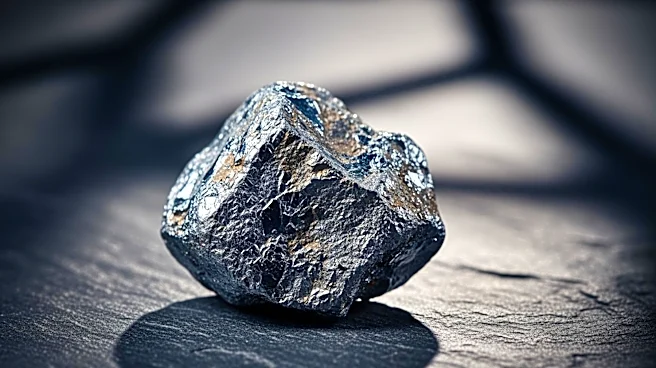
is aimed at safeguarding Australia's national interests amid concerns over foreign control. Northern Minerals is working on the Browns Range project in Western Australia, which focuses on mining dysprosium and terbium, critical elements for high-performance magnets used in clean energy and defense applications. The order affects six companies, requiring them to sell their shares within two weeks. This move is part of Australia's broader strategy to limit Chinese influence in critical mineral sectors, ensuring compliance with its foreign investment framework.
Why It's Important?
The decision underscores the strategic importance of rare earth elements, which are vital for various high-tech and clean energy applications. By limiting foreign control, particularly from China, Australia aims to secure its supply chain for these critical materials. This action reflects a growing trend among Western nations, including the United States, to reduce dependency on China for essential minerals. The move could potentially shift the global dynamics of rare earth supply, as Australia positions itself as a significant non-Chinese source of processed dysprosium. This could lead to increased investment in domestic mining and processing capabilities, bolstering economic and national security.
What's Next?
Australia's decision may prompt further scrutiny of foreign investments in its critical mineral sectors. Northern Minerals is expected to comply with the divestment orders, which could lead to changes in its shareholder structure. The company is also likely to continue developing its processing capabilities to become a key player in the global rare earth market. Other countries may follow Australia's lead, implementing similar measures to protect their critical mineral resources. This could result in a more diversified global supply chain, reducing the dominance of any single country in the rare earth market.