




What's Happening?
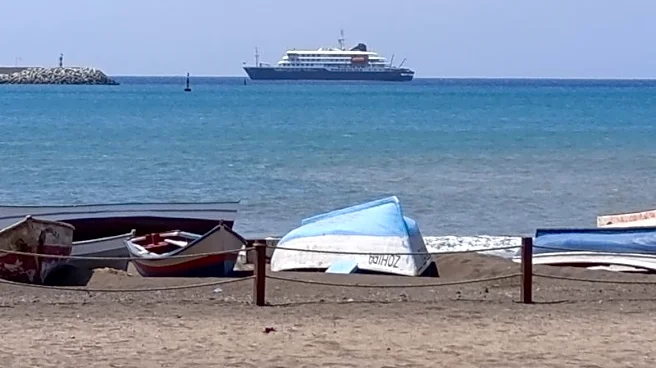
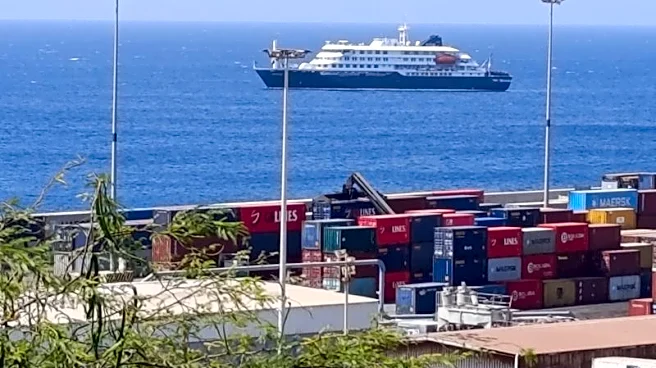
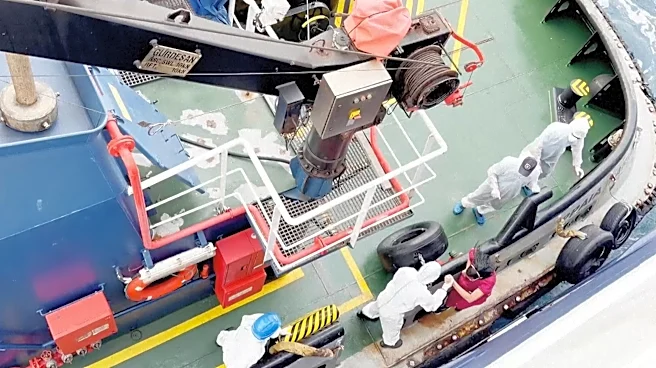
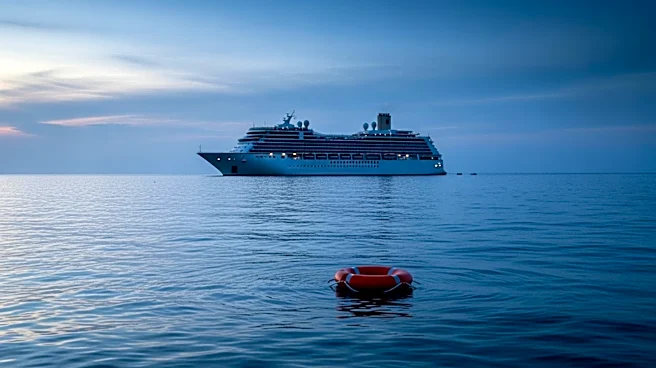
The World Health Organization (WHO) is investigating a hantavirus outbreak on the Dutch-flagged cruise ship MV Hondius, which has resulted in multiple deaths and illnesses. The outbreak, linked to a voyage from Ushuaia, Argentina, to Cape Verde, has raised
concerns about potential human-to-human transmission, a rare occurrence for hantavirus. The virus is typically transmitted through contact with rodent excretions. The ship, carrying 149 passengers and crew, has been denied docking at several ports due to public health concerns. WHO officials are working to determine the source of the outbreak and whether the virus was contracted before boarding or during the voyage.
Why It's Important?
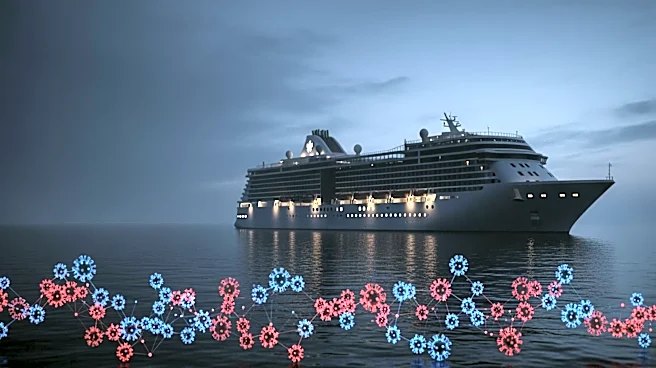
The potential for human-to-human transmission of hantavirus, although rare, could have significant implications for public health protocols, especially in confined environments like cruise ships. The outbreak highlights the need for stringent health monitoring and rapid response strategies in international travel settings. The situation underscores the importance of understanding zoonotic diseases and their transmission dynamics, which can impact global health security. The cruise industry, already affected by past health crises, may face increased scrutiny and operational challenges as a result of this outbreak.
What's Next?
Investigations are ongoing to trace the source of the virus and assess the risk of further transmission. The WHO and health authorities are likely to implement enhanced monitoring and preventive measures for passengers and crew. The ship may seek alternative docking options for medical evacuations and further testing. Public health guidelines may be updated to address the risks associated with hantavirus in travel settings. The outcome of the investigation could influence future health policies and travel advisories.