


What's Happening?
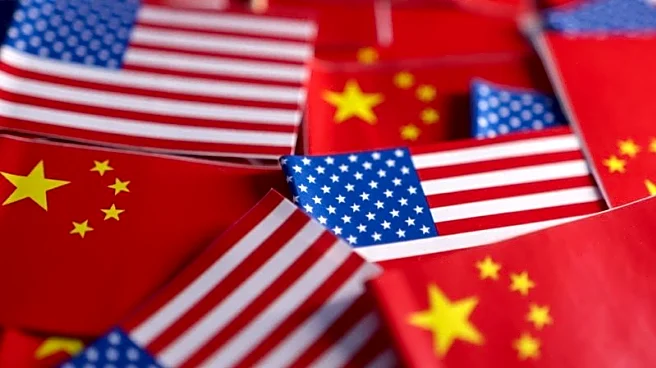
The United States has decided to delay the announcement of tariffs on China's chip industry until 2027. This decision comes amidst ongoing tensions between the two countries over trade and technology. The tariffs were initially expected to be announced
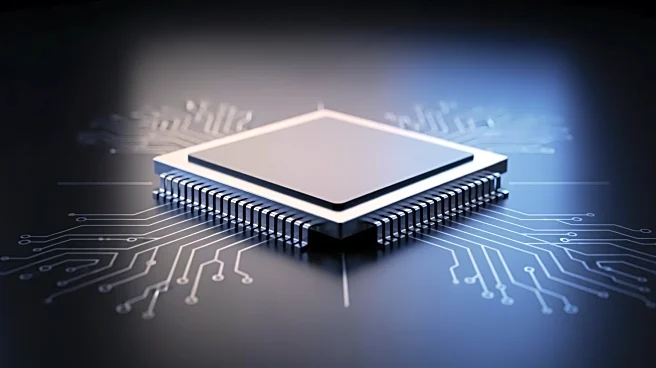
sooner, but the delay suggests a strategic pause in the U.S.'s approach to handling its trade relations with China, particularly in the semiconductor sector. The chip industry is a critical component of modern technology, and the U.S. has been concerned about China's growing influence and capabilities in this area.
Why It's Important?
The delay in imposing tariffs on China's chip industry is significant for several reasons. Firstly, it provides temporary relief to U.S. companies that rely on Chinese semiconductors, potentially avoiding immediate disruptions in supply chains. Secondly, it may indicate a shift in U.S. trade policy, possibly aiming to negotiate better terms or to avoid escalating tensions further. The semiconductor industry is vital for numerous sectors, including consumer electronics, automotive, and defense, making this decision impactful for both economic and national security considerations.
What's Next?
With the announcement postponed until 2027, stakeholders in the semiconductor industry will likely monitor any developments closely. The U.S. government may engage in diplomatic discussions with China to address underlying trade issues. Companies in the tech sector might also seek alternative sources for semiconductors to mitigate future risks. Additionally, this delay could influence other countries' trade policies with China, potentially leading to a broader reassessment of global semiconductor supply chains.