




What's Happening?
A significant portion of the United States is currently experiencing extreme heat conditions, with approximately 162 million people under heat alerts. The heatwave is affecting areas from the Midwest to the East Coast, bringing record-setting temperatures
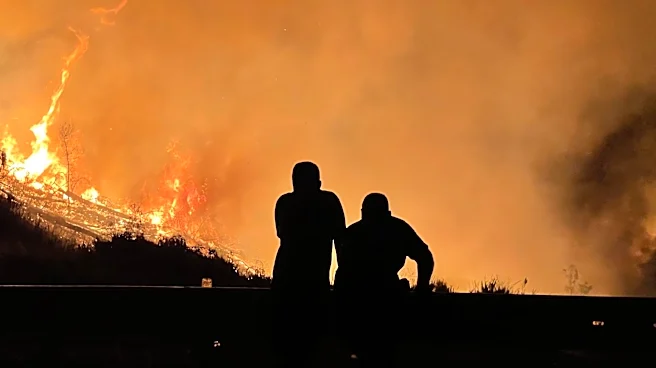
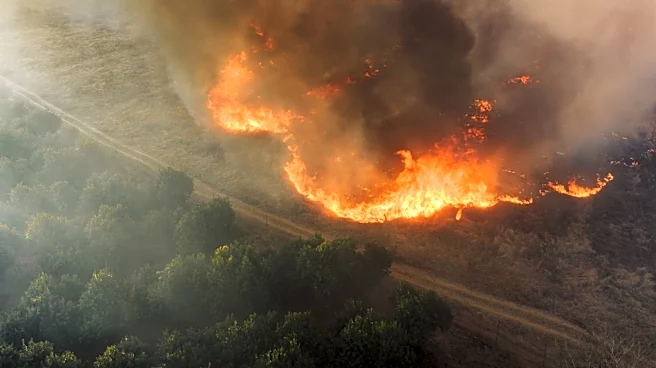
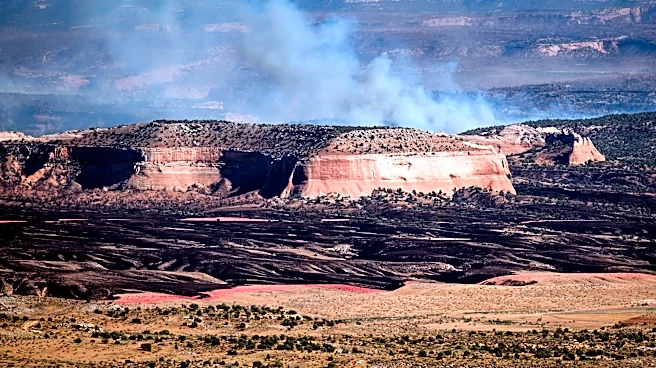
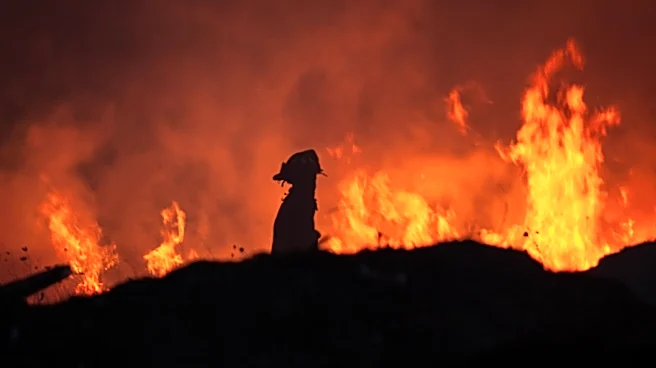
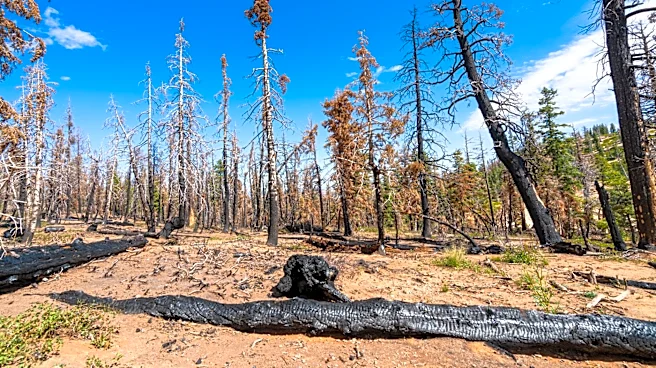
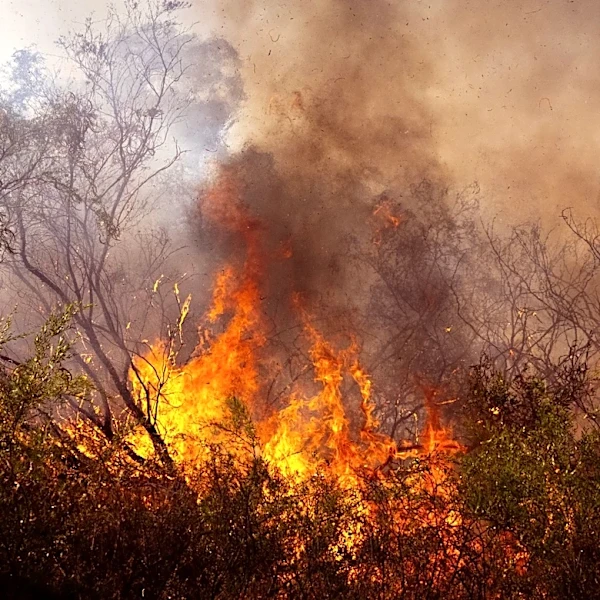
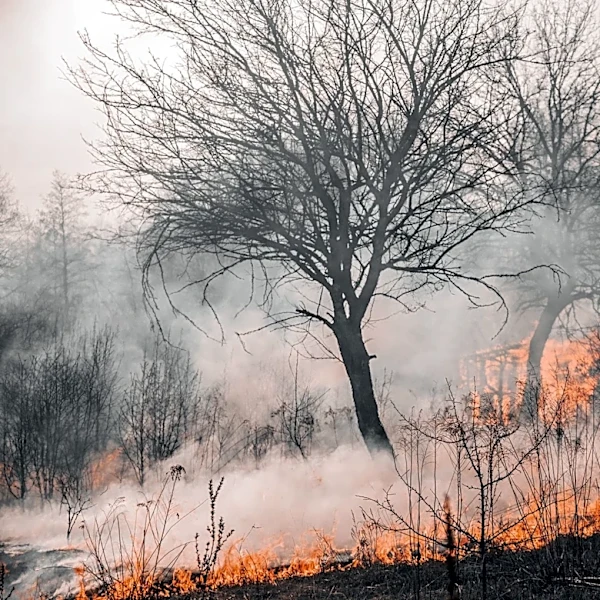
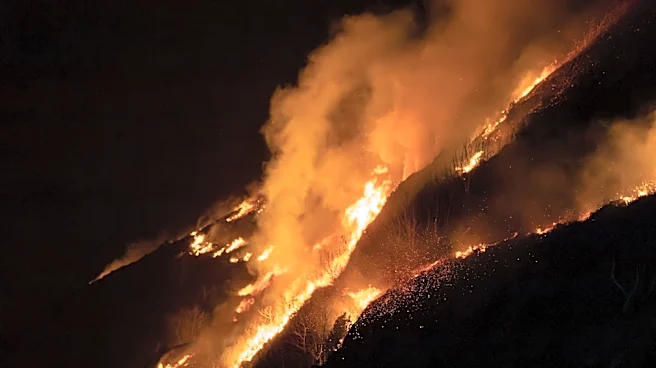
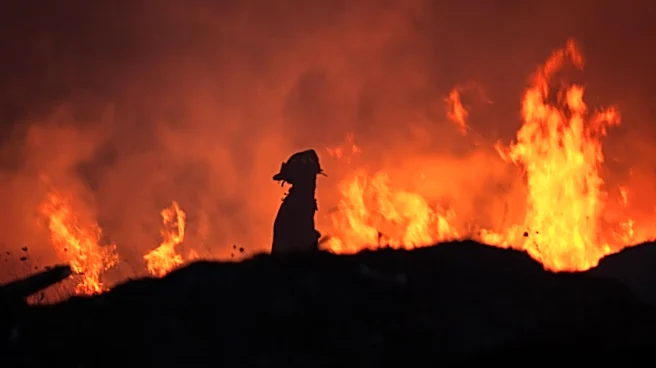
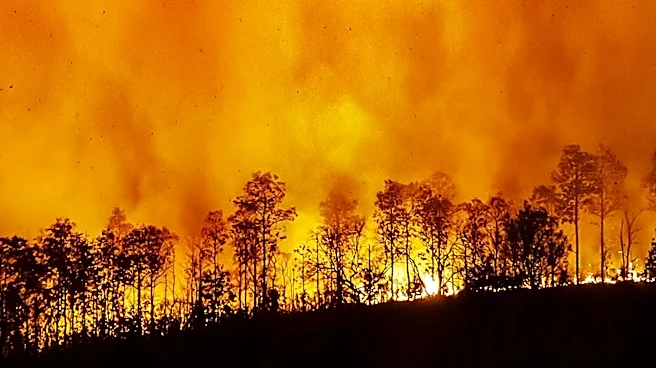
and high humidity levels. In addition to the oppressive heat, massive wildfires in Utah and Colorado are contributing to the situation by producing thick smoke visible from miles away. These conditions are part of a broader pattern of extreme weather events impacting the country, as reported by NBC News.
Why It's Important?
The widespread heat alerts highlight the growing challenges posed by extreme weather conditions, which can have severe implications for public health, infrastructure, and the environment. High temperatures increase the risk of heat-related illnesses, particularly among vulnerable populations such as the elderly and those with pre-existing health conditions. The wildfires in Utah and Colorado exacerbate air quality issues, posing additional health risks. These events underscore the need for effective emergency response strategies and long-term planning to mitigate the impacts of climate change.
What's Next?
As the heatwave continues, local and state authorities are likely to implement measures to protect public health, such as opening cooling centers and issuing advisories to reduce outdoor activities. The ongoing wildfires may prompt further emergency declarations and resource allocations to manage and contain the fires. Additionally, these events may influence policy discussions on climate change and disaster preparedness at both state and federal levels.