






What's Happening?
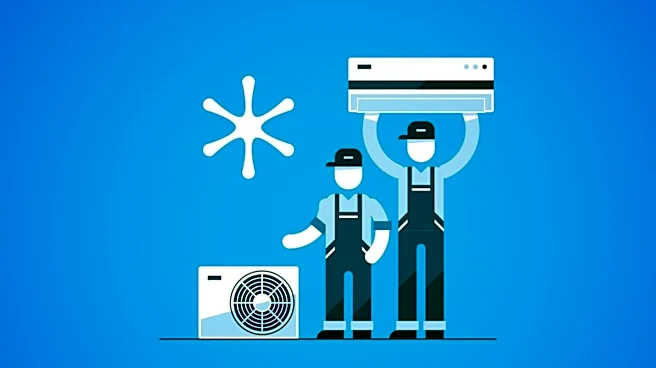
Baltimore Gas and Electric (BGE), a utility company, is actively participating in a statewide energy-efficiency program in Maryland. This program provides rebates on qualifying high-efficiency HVAC (Heating, Ventilation, and Air Conditioning) equipment
to its customers. The initiative is part of a broader effort to promote energy conservation and reduce energy consumption across the state. BGE's involvement ensures that residents and businesses within its service territory have access to financial incentives for upgrading to more energy-efficient systems, thereby contributing to lower utility bills and a reduced environmental footprint. The eligibility criteria and rebate amounts for these programs are subject to change, and customers are advised to check current offerings.
Why It's Important?
BGE's energy-efficiency programs and HVAC rebates are significant for several reasons. Firstly, they directly benefit consumers by making high-efficiency HVAC equipment more affordable, leading to long-term savings on energy bills. This is particularly important for low-income households and can help alleviate energy poverty. Secondly, these programs contribute to environmental sustainability by reducing overall energy consumption and, consequently, greenhouse gas emissions. This aligns with broader national and state-level climate goals. Thirdly, by encouraging the adoption of advanced HVAC technologies, BGE supports innovation within the energy sector and helps modernize the state's energy infrastructure. The success of such utility-led initiatives can serve as a model for other regions, demonstrating how local utility companies can play a pivotal role in driving energy conservation and promoting sustainable practices.
What's Next?
BGE will likely continue to offer and potentially expand its energy-efficiency programs and HVAC rebates, adapting to evolving energy policies and technological advancements. The company will need to regularly update its eligibility criteria and rebate amounts to reflect market changes and program goals. There may be increased efforts to raise customer awareness about these programs through various outreach initiatives. Additionally, BGE might explore partnerships with HVAC contractors and manufacturers to streamline the rebate application process and ensure wider adoption of high-efficiency equipment. The utility will also continue to monitor the effectiveness of these programs in achieving energy savings and environmental targets, using data to inform future program designs and investments.
Beyond the Headlines
The implementation of energy-efficiency programs by utilities like BGE highlights a growing trend towards demand-side management in the energy sector. Rather than solely focusing on increasing energy supply, utilities are increasingly investing in strategies that reduce energy demand. This shift has broader implications for grid stability, as reduced peak demand can lessen the strain on infrastructure and defer the need for costly new power plant construction. Furthermore, these programs can stimulate local economies by creating jobs in the energy efficiency and HVAC installation sectors. The long-term impact extends to public health, as improved indoor air quality from modern HVAC systems and reduced reliance on fossil fuels contribute to a healthier environment. The balance between energy affordability and reliability, as noted in discussions about utility spending, remains a critical consideration in the ongoing evolution of energy policy.