





What's Happening?
As power outages become more frequent due to grid instability, architects and homeowners are turning to whole-home standby generators for reliable backup power. Propane generators are favored for their clean-burning properties and long-term storage capabilities.
By using propane appliances, such as water heaters and furnaces, homeowners can reduce their electricity load, enabling smaller and more cost-effective generators. The U.S. Department of Energy warns of increasing blackouts, emphasizing the need for resilient home designs. Propane-powered systems offer a dependable solution, ensuring homes remain powered during outages.
Why It's Important?
The increasing frequency of power outages poses significant challenges to safety, property, and economic stability. Reliable backup power systems, like propane generators, are essential for maintaining critical home functions during outages. These systems not only provide energy security but also enhance property value by embedding resilience into home design. The choice of propane as a fuel source offers advantages over gasoline and diesel, including indefinite shelf life and lower emissions, making it a sustainable option for long-term energy security.
What's Next?
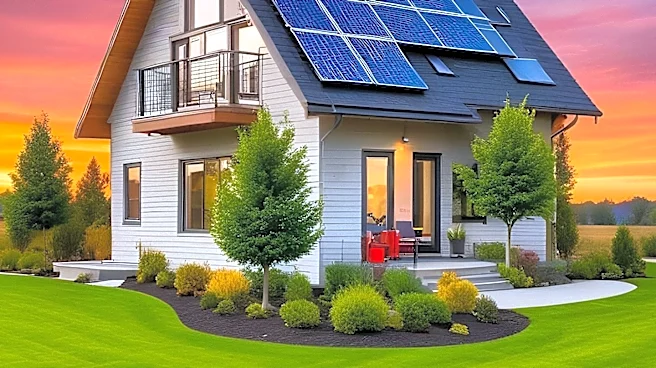
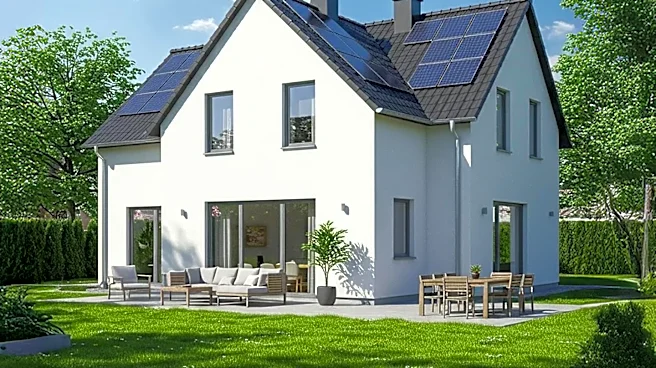
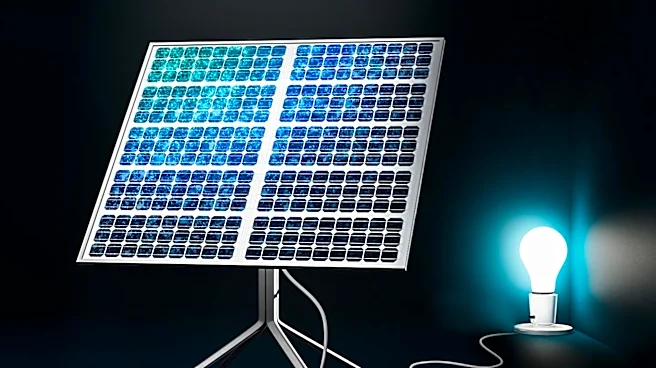
As grid instability continues, the demand for resilient home designs and backup power solutions is expected to grow. Architects and builders will need to prioritize energy security in residential projects, incorporating propane generators and renewable energy systems to enhance resilience. The integration of microgrids, combining solar panels, battery storage, and generators, offers a comprehensive approach to energy independence. This trend is likely to drive innovation in home energy systems, with a focus on reducing reliance on the grid and increasing sustainability.
Beyond the Headlines
The shift towards resilient home designs highlights broader implications for energy policy and infrastructure development. As more homes adopt backup power systems, there may be increased pressure on utilities to improve grid reliability and invest in renewable energy sources. Additionally, the adoption of propane and hybrid energy systems could influence regulatory frameworks and building codes, promoting sustainable and resilient construction practices.