






What's Happening?
Wisconsin Governor Tony Evers recently toured the new Southeast Regional Care Center for Youth (SERC) in Milwaukee, accompanied by Department of Corrections leaders. This new facility, designed to house 32 boys in DOC custody, marks a significant shift
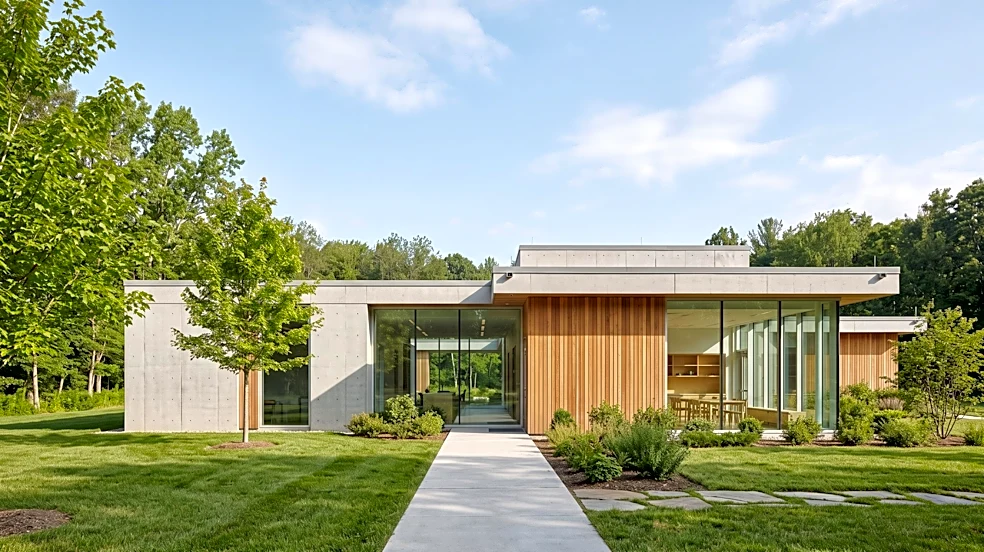
in the state's approach to juvenile corrections, moving away from the troubled history of facilities like Lincoln Hills and Copper Lake. The SERC, a $65.6 million investment, aims to provide a rehabilitative environment with access to educational programs, a gym, a greenhouse, and vocational training in welding and woodworking. The design emphasizes a school-like atmosphere rather than a traditional prison, featuring large windows, color, and ample space, with no barbed wire or towers. The facility is strategically located on Milwaukee's North Side to facilitate family visits, which were challenging when youth were housed hours away in Irma, Wis. The first group of youth is expected to move into SERC in early November, with a focus on evidence-based strategies and adequate staffing to support rehabilitation and prevent staff burnout.
Why It's Important?
The opening of the SERC is a pivotal moment for juvenile justice in Wisconsin, signaling a departure from past controversies surrounding youth correctional facilities. The previous Lincoln Hills and Copper Lake schools were notorious for reports of abuse and suffering, leading to a class-action settlement and mandated reforms. This new facility directly addresses those concerns by prioritizing rehabilitation, education, and proximity to families, which are crucial for the successful reintegration of young people into their communities. By focusing on providing opportunities for growth, skill development, and positive role models, the SERC aims to reduce recidivism and improve long-term outcomes for incarcerated youth. The investment also reflects a broader recognition that a punitive approach alone is insufficient for juvenile offenders and that a supportive environment can lead to better societal outcomes, including reduced crime and violence. The emphasis on staff wellness and appropriate staff-to-youth ratios also addresses a long-standing issue in correctional facilities, aiming to create a more stable and effective environment for both staff and residents.
What's Next?
The initial group of youth will be transferred to the SERC in early November, with more movements planned in the following months. The Department of Corrections has been actively recruiting and training staff to ensure adequate support for the new facility's programs and residents. Beyond the SERC, Wisconsin plans to continue modernizing its corrections system. Another Type 1 facility, designed to hold 32 boys and eight girls, is currently under construction in Dane County. Additionally, the DOC is advocating for a third facility in northern Wisconsin to serve youth from that region. These efforts are part of a larger strategy to close the Lincoln Hills and Copper Lake schools permanently and replace them with smaller, more localized, and rehabilitative facilities. The success of the SERC will likely influence the design and implementation of future juvenile correctional facilities in the state, potentially setting a new standard for youth rehabilitation in Wisconsin.
Beyond the Headlines
The shift towards rehabilitative juvenile facilities like the SERC has profound ethical and societal implications. It acknowledges the developmental differences between youth and adult offenders, recognizing that young people are more amenable to change and benefit significantly from environments that foster education, skill-building, and family connections. This approach moves beyond mere incarceration to address the root causes of juvenile delinquency, offering a chance for young individuals to develop into productive members of society. The design of the SERC, which intentionally avoids the harsh aesthetics of traditional prisons, reflects a philosophical change in how society views and treats its most vulnerable young offenders. It also highlights the importance of community-based solutions, as the facility's location in Milwaukee aims to strengthen family ties and support networks. The long-term success of this model could serve as a blueprint for other states grappling with similar challenges in their juvenile justice systems, promoting a more humane and effective approach to youth corrections nationwide.