






What's Happening?
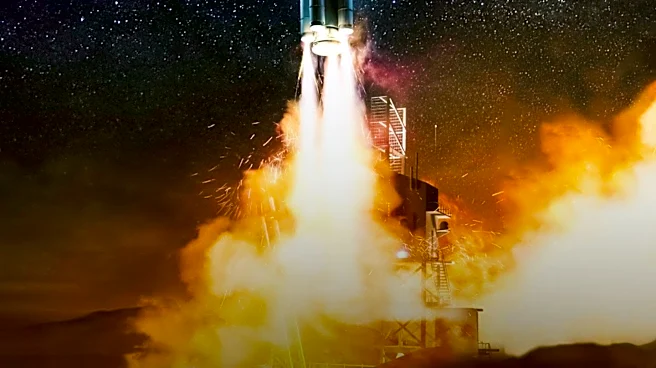
The U.S. Department of the Interior, through the Bureau of Ocean Energy Management (BOEM), has issued a request for information (RFI) to explore the feasibility of conducting space launch activities from offshore locations. This initiative aims to alleviate
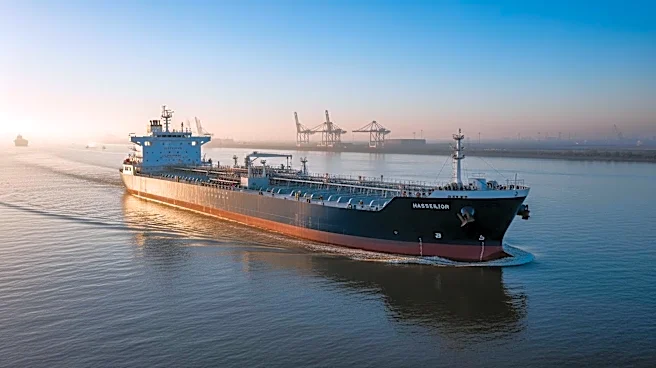
congestion at existing spaceports by utilizing the outer continental shelf, which extends up to 200 nautical miles offshore. The BOEM is considering repurposing existing offshore infrastructure, such as former oil and gas rigs, or developing new facilities dedicated to space launches and reentries. The RFI seeks input on potential locations, technical aspects, and environmental and legal considerations. This move is part of a broader federal effort to enhance the U.S. space economy by expanding operational flexibility and capacity.
Why It's Important?
The exploration of offshore launch sites represents a significant step in addressing the growing demand for space launch capabilities in the U.S. By potentially expanding launch infrastructure to offshore locations, the initiative could reduce congestion at major spaceports like Cape Canaveral and Vandenberg. This expansion is crucial for supporting both commercial and national security space missions, thereby strengthening the U.S. position in the global space industry. The initiative also aligns with the White House's efforts to update national space transportation policy, which aims to incentivize private-sector investment in launch infrastructure. The development of offshore launch sites could lead to increased operational flexibility and capacity, benefiting both government and commercial space endeavors.
What's Next?
The BOEM's request for information is the first step in assessing the viability of offshore launch sites. The feedback received will inform future interagency coordination and policy development. Companies like Seagate Space, which are already working on offshore launch concepts, are expected to respond to the RFI. The initiative may lead to new collaborations between the government and private sector to develop safe and scalable offshore launch capabilities. As the White House continues to refine its national space transportation policy, further announcements regarding incentives for private investment in spaceport infrastructure are anticipated.