




What's Happening?
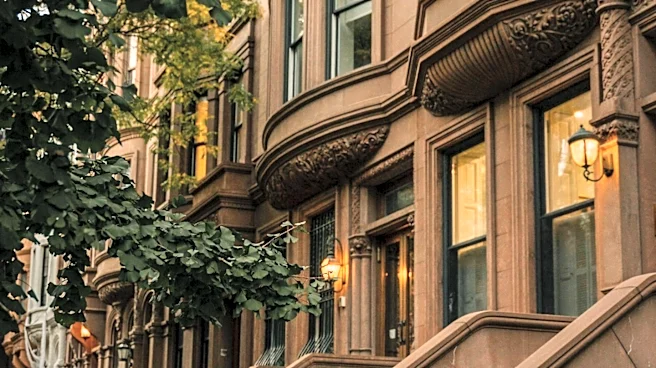
A 355-square-foot studio apartment in San Francisco's South of Market (SoMa) neighborhood has been listed for $285,000. This unit, located in a historic Edwardian building constructed in 1911, is described as 'exceptionally well laid out' to maximize
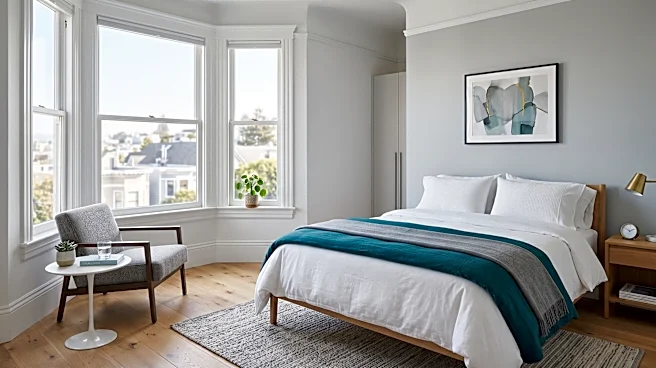
its small footprint. The apartment features an eat-in kitchen, a sunny sleeping area with a reading nook, and a bay window. According to listing agent Nicole Kay of City Real Estate, such affordably priced residences are rare in the San Francisco market, especially outside of Below Market Rate (BMR) units. The current seller purchased the unit for $280,000 in 2022 and has since updated it. The interior boasts high ceilings, crown moldings, hardwood floors in the hallway, tile in the kitchen and bath, and new carpeting in the bedroom. The modern kitchen is equipped with stainless steel appliances and custom cabinetry. A monthly association fee of $446 grants residents access to a community recreation room, shared patio, laundry facilities, and bike storage. The property offers convenient access to Salesforce Park, various restaurants, shopping, and cultural destinations.
Why It's Important?
This listing is significant as it represents a rare opportunity for homeownership in San Francisco, a city notoriously known for its high cost of living and competitive housing market. The availability of a unit at this price point could attract individuals who previously believed homeownership in the city was unattainable, including young tech professionals or parents seeking housing for college students. The property's features, such as its efficient layout and access to community amenities, enhance its appeal. The fact that the seller is making a profit after only two years, despite the relatively modest price, underscores the underlying value and demand in the San Francisco real estate market. This trend of smaller, more affordable units entering the market could offer a glimmer of hope for addressing the city's housing affordability crisis, even if on a small scale. It also highlights the potential for strategic investments in compact living spaces within desirable urban areas.
What's Next?
The listing agent, Nicole Kay, anticipates that the next owner will likely use the studio as a primary residence, given the high demand for purchasing property in San Francisco. However, she also noted the possibility of it being rented out in the future. The property's appeal to various buyer demographics, including first-time homeowners, parents of students, and tech workers, suggests it may attract considerable interest. The administrative approval process for such properties, combined with the ongoing demand for housing, indicates a potentially swift sale. The success of this listing could encourage other property owners or developers to consider similar small-scale, efficiently designed units to cater to the demand for more accessible homeownership options in expensive urban centers. Future market trends will likely continue to see innovative approaches to maximizing living space and affordability in high-demand areas.
Beyond the Headlines
The emergence of a relatively affordable studio in San Francisco points to a broader societal shift towards valuing compact, efficient living spaces in prime urban locations. This trend is driven by both economic necessity and a growing preference for minimalist lifestyles, particularly among younger generations and those prioritizing urban access over spaciousness. The high demand for such units, even at a price point that would be considered substantial elsewhere, reflects the intense pressure on housing in major U.S. cities. It also raises questions about urban planning and the potential for more widespread development of micro-units or co-living spaces to address housing shortages. The emphasis on shared amenities within the building, such as a community recreation room and shared patio, suggests a move towards communal living models that can offset the limitations of small private spaces, fostering a sense of community in dense urban environments. This could influence future residential development strategies in other high-cost cities.