






What's Happening?
Midwest Poultry Services L.P. has announced a voluntary recall of nearly 1.6 million dozen white and brown shell eggs due to potential contamination with Salmonella Enteritidis. The recall was initiated following routine environmental monitoring and a root
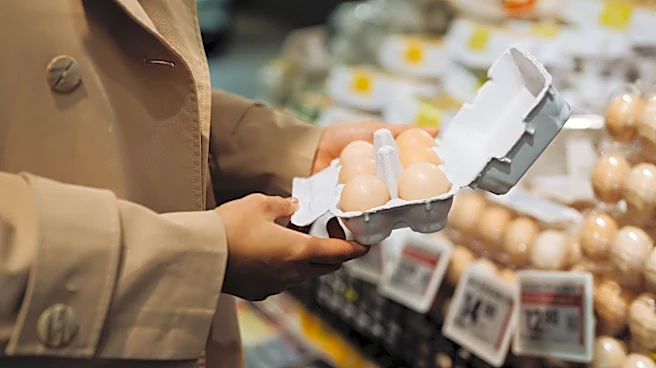
cause analysis that identified the risk of contamination. The affected eggs were produced in Texas and distributed to foodservice and retail customers in Texas, Oklahoma, and Louisiana, including Kroger and Brookshire Grocery stores. The eggs were produced and distributed between June 6 and July 3, with sell-by or best-by dates ranging from July 20 through August 17. Consumers can identify the recalled eggs by checking for plant code P-1950 or 0840962 and Julian dates 157 through 184 printed on the side of the carton. Midwest Poultry Services advises consumers not to consume the recalled eggs and to return them to the place of purchase for a full refund.
Why It's Important?
The recall of such a large quantity of eggs highlights the ongoing challenges in ensuring food safety and the potential health risks associated with Salmonella contamination. Salmonella infection can lead to serious health issues, including fever, diarrhea, nausea, vomiting, and abdominal pain, particularly affecting young children, older adults, and individuals with weakened immune systems. This recall underscores the importance of rigorous food safety protocols and monitoring to prevent outbreaks. The economic impact on Midwest Poultry Services and affected retailers could be significant, as they manage the logistics of the recall and potential loss of consumer trust. Additionally, this incident may prompt regulatory bodies to review and possibly tighten food safety regulations to prevent future occurrences.
What's Next?
Consumers are advised to check their egg cartons for the specified plant codes and Julian dates to determine if they have purchased the recalled eggs. Those who have the affected products should return them to the place of purchase for a refund. Midwest Poultry Services will likely continue to monitor the situation closely and cooperate with health authorities to ensure that all contaminated products are removed from the market. Retailers and distributors involved in the recall will need to manage the logistics of returning and replacing the affected products. This incident may also lead to increased scrutiny and inspections of egg production facilities to prevent similar issues in the future.