

What's Happening?
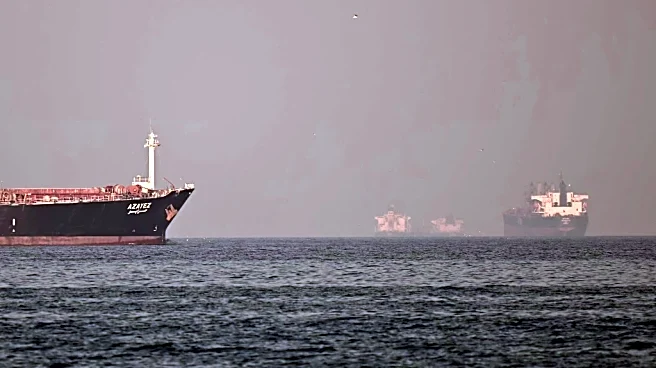
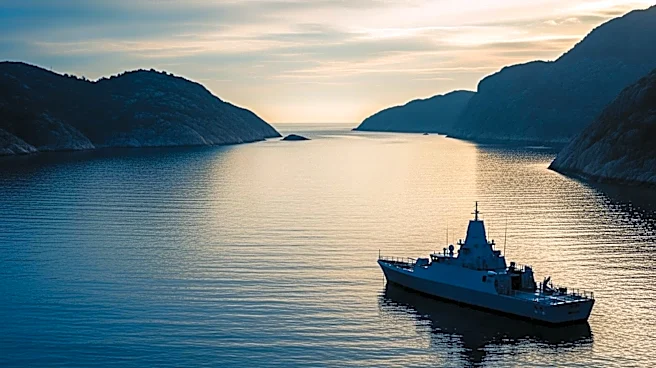
Ukraine is positioning itself as a potential security partner in efforts to reopen the Strait of Hormuz, a critical energy route currently restricted by Iran. Ukrainian President Volodymyr Zelensky has offered military and operational expertise, citing
Ukraine's experience in maintaining maritime exports in the Black Sea despite Russian blockades. The Strait of Hormuz is a vital passage for global oil and liquefied natural gas, and its disruption has led to increased energy prices. Ukraine's involvement could provide innovative security solutions, leveraging its experience with drones and naval strategies.
Why It's Important?
The Strait of Hormuz is a strategic chokepoint for global energy supplies, and its closure has significant economic implications worldwide. Ukraine's offer to assist in reopening the strait highlights its evolving role from a security aid recipient to a provider. This move could strengthen Ukraine's geopolitical influence and foster defense cooperation with Gulf states. Additionally, it presents economic opportunities for Ukrainian defense industries, potentially attracting investment and generating revenue. The situation also reflects shifting dynamics in international alliances and security responsibilities.
What's Next?
Diplomatic efforts to resolve the crisis in the Strait of Hormuz are ongoing, with potential military interventions being considered. Ukraine's involvement could lead to new partnerships and defense collaborations in the region. The international community will likely continue to monitor the situation closely, balancing diplomatic and military strategies to ensure the security of global energy routes. The outcome could influence future geopolitical alignments and economic policies related to energy security.