


What's Happening?
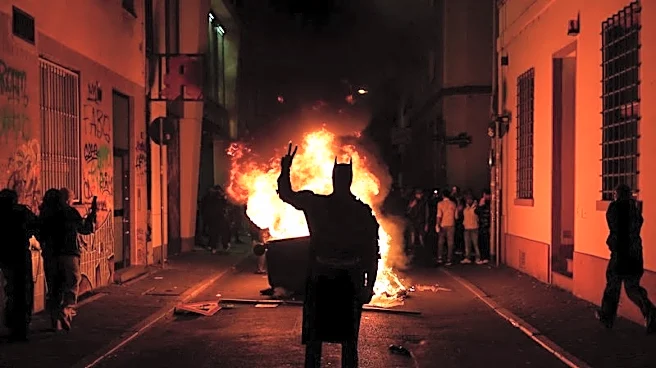
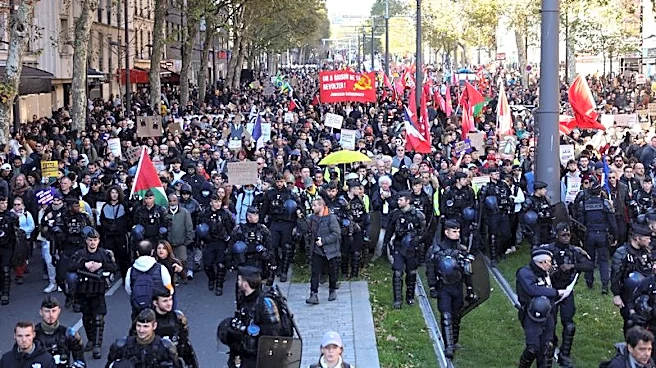
Hundreds of thousands of protesters, primarily high school students, took to the streets across France for a third consecutive weekend to demonstrate against rising living costs and issues within the education system. While largely peaceful, some gatherings
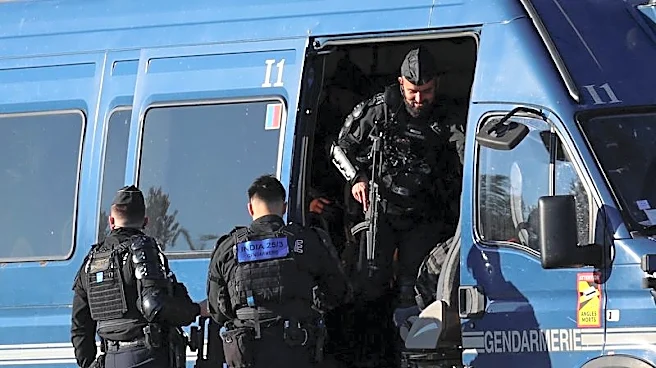
in Paris and other cities escalated into clashes with police, involving tear gas and fires. French authorities deployed approximately 70,000 police and gendarmes nationwide, with the Interior Minister warning of a high risk of disorder. The government estimated around 320,000 participants in France, a decrease from previous weeks but still a significant turnout. Protests also extended to other European nations, including Germany, where a youth initiative called 'Gen Z regelt' organized rallies in over 30 cities demanding investments in education, health, climate protection, and affordable living. In Portugal, thousands protested peacefully in Lisbon against the housing crisis, while in the Netherlands, The Hague saw a strong police presence due to fears of rioting, though no major disturbances occurred by midafternoon.
Why It's Important?
These widespread youth-led protests across Europe highlight growing discontent among younger generations regarding economic stability, educational opportunities, and future prospects. The demonstrations in France, fueled by grievances over neglected school buildings, teacher shortages, and an admissions system perceived as unfair, underscore a broader societal frustration with government policies. The participation of labor unions and other groups indicates a convergence of various demands, putting pressure on national governments. In Germany, the 'Gen Z regelt' movement's call for increased investment in social services, education, and climate protection reflects a generational concern for long-term sustainability and equitable resource allocation. The protests in Portugal against the housing crisis further illustrate a common economic challenge impacting citizens across the continent. The potential for these movements to influence policy decisions and shape future political landscapes is significant, as they represent a vocal segment of the population demanding change.
What's Next?
The continuation of these protests suggests that European governments will face sustained pressure to address the underlying grievances related to living costs, education, and housing. In France, authorities have already implemented measures like curfews for minors in certain areas, indicating a response to the unrest, though the effectiveness of such measures in quelling dissent remains to be seen. The ongoing nature of these demonstrations could lead to further policy debates and potential reforms in areas such as education funding, housing regulations, and social welfare programs across the affected countries. The involvement of various societal groups, from students to labor unions, indicates a broad-based movement that may continue to organize and exert influence, potentially leading to shifts in political discourse and electoral outcomes in the long term. The response of authorities, particularly regarding the use of force, will also be under scrutiny, potentially impacting public trust and the trajectory of future protests.
Beyond the Headlines
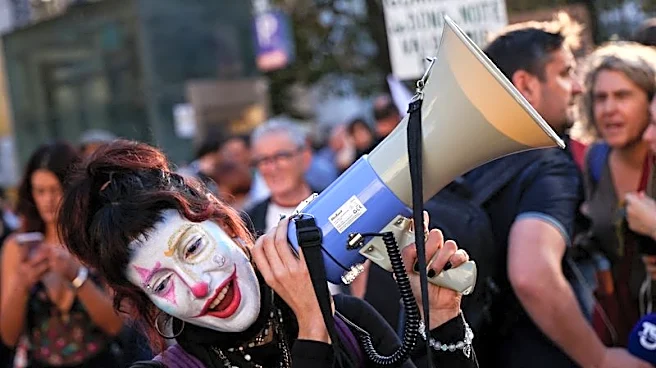
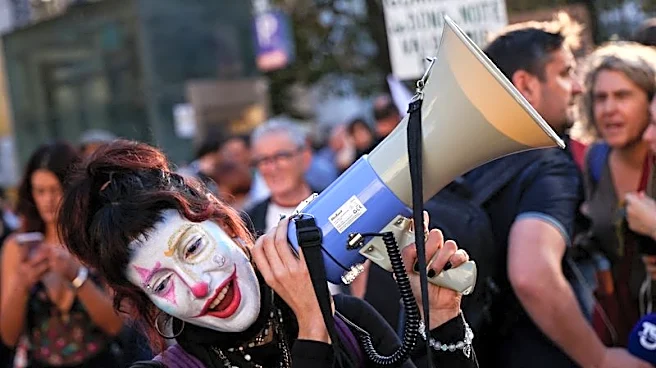
The European youth protests reveal deeper societal anxieties beyond immediate economic and educational concerns. The use of Halloween costumes and creative placards, as seen in France and Portugal, suggests a cultural dimension to these movements, where participants express their frustrations through symbolic acts and collective identity. The recurring theme of 'Gen Z' taking the lead in Germany points to a generational shift in activism, with younger demographics increasingly mobilizing around issues that directly impact their future. The contrast between peaceful demonstrations and instances of violence, particularly in Germany and France, highlights the complex dynamics within these movements and the challenges authorities face in managing public dissent. These protests could signify a broader re-evaluation of social contracts between governments and their citizens, particularly the younger generation, regarding economic equity, access to resources, and the quality of public services. The long-term implications could include increased political engagement from youth, a re-prioritization of social and environmental policies, and a redefinition of civic participation in the digital age.