




What's Happening?
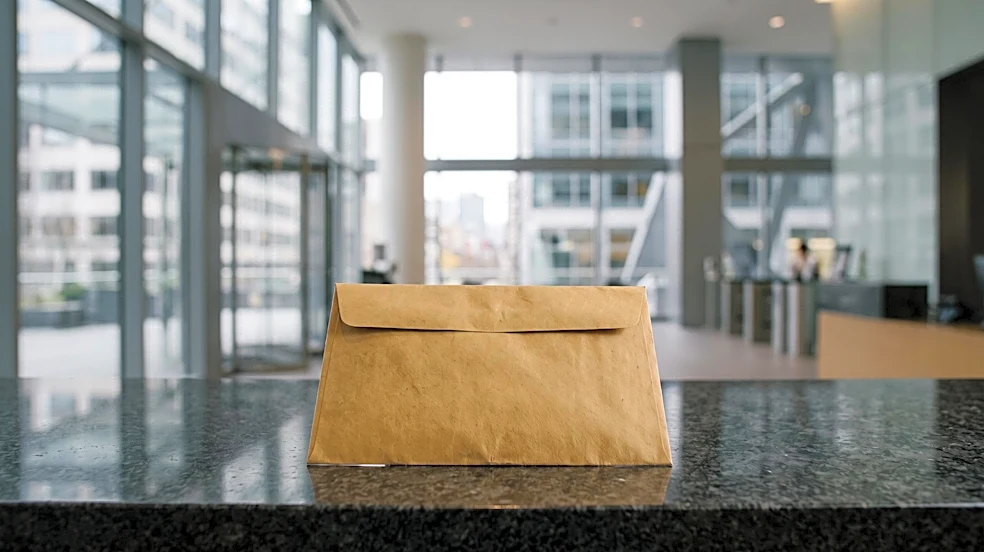
U.S. Representative Pramila Jayapal's office in downtown Seattle received a suspicious envelope on Friday, prompting a response from hazmat crews and the evacuation of the building's second floor. Emergency services were called at 2 p.m. after a mailroom
worker discovered the package in an office building at 6th Avenue and Virginia Street. The envelope was not opened, and no injuries were reported. Hazmat crews investigated the area and deemed it safe by 3:26 p.m., turning the package over to United States Postal Service inspectors for further investigation. Representative Jayapal confirmed the incident, stating her office received a package 'similar to that received by Members of Congress and elections officials across the country.' She emphasized that her staff and she were safe and that protocols were being followed. This incident follows other suspicious mailings, including a letter containing white powder sent to the Washington Secretary of State's elections division and another to the downtown Federal Building on Thursday.
Why It's Important?
This incident is significant as it appears to be part of a broader pattern of suspicious mailings targeting elected officials and election offices across the United States. Representative Jayapal characterized these events as a 'seemingly deliberate and widespread attack on our democracy and elections,' highlighting concerns about the integrity of democratic processes and the safety of public servants. Such incidents can create an atmosphere of fear and intimidation, potentially deterring individuals from participating in public service or engaging in the electoral process. The targeting of election officials, as noted by Washington Secretary of State Steve Hobbs, directly undermines the foundational elements of democratic governance. The ongoing investigations by federal and local law enforcement agencies underscore the seriousness with which these threats are being treated, aiming to identify perpetrators and prevent future occurrences that could disrupt governmental functions and public trust.
What's Next?
Federal and local law enforcement agencies are actively investigating whether the suspicious package sent to Representative Jayapal's office is connected to the wider series of similar mailings targeting election offices and elected officials nationwide. The United States Postal Service inspectors will further examine the unopened envelope to identify its contents and origin. Authorities will likely continue to monitor mail sent to government buildings and public figures, potentially increasing security measures and protocols for handling incoming mail. The outcome of these investigations could lead to arrests and prosecutions, sending a message about the consequences of such actions. Public officials, including Representative Jayapal, are expected to provide updates as more information becomes available, and there may be calls for enhanced protective measures for those involved in government and elections.
Beyond the Headlines
The recurring nature of suspicious packages sent to public officials and election offices points to a deeper societal issue concerning political polarization and potential attempts to disrupt democratic institutions through intimidation. Beyond the immediate threat of hazardous substances, these acts can erode public confidence in the safety of civic engagement and the stability of governmental operations. The psychological impact on staff and officials who are directly targeted can be substantial, potentially leading to increased stress and a more guarded approach to their work. This trend also raises questions about the effectiveness of current security measures for mail handling in public offices and whether new, more robust protocols are needed to safeguard against such threats. The broader implication is a challenge to the peaceful and orderly conduct of democratic processes, necessitating a comprehensive response that addresses both physical security and the underlying motivations behind these actions.