





What's Happening?
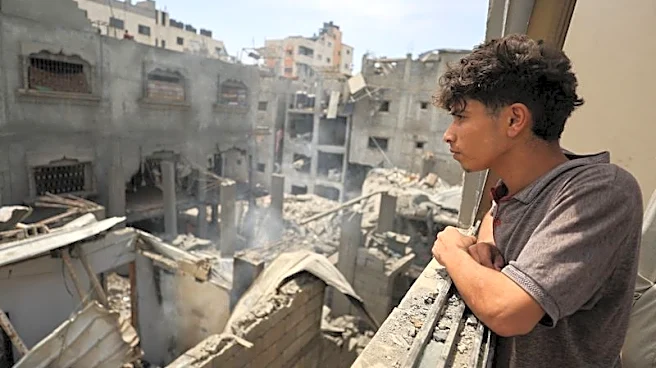
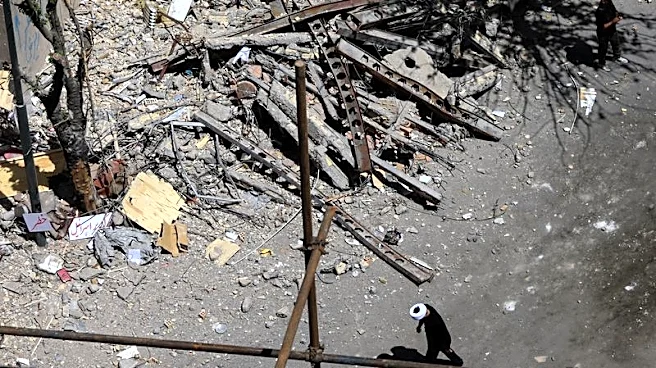
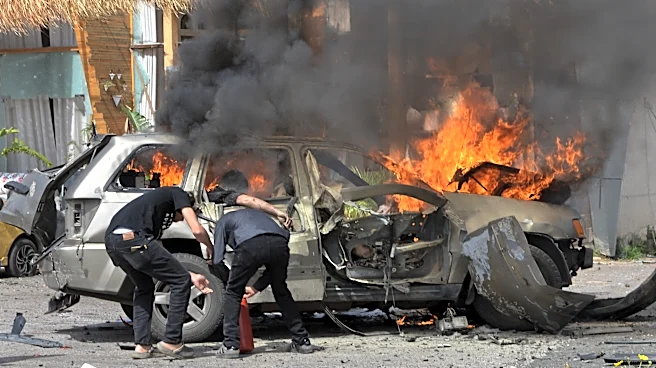
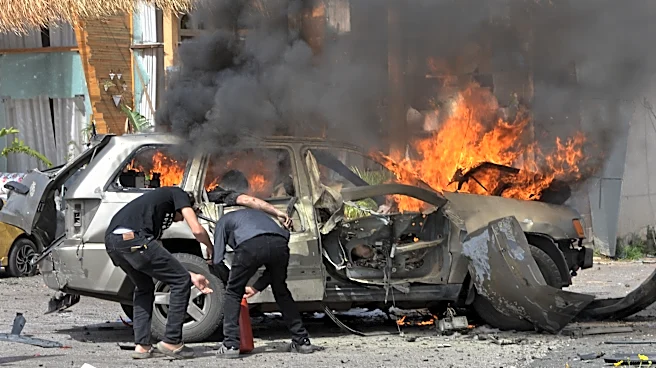
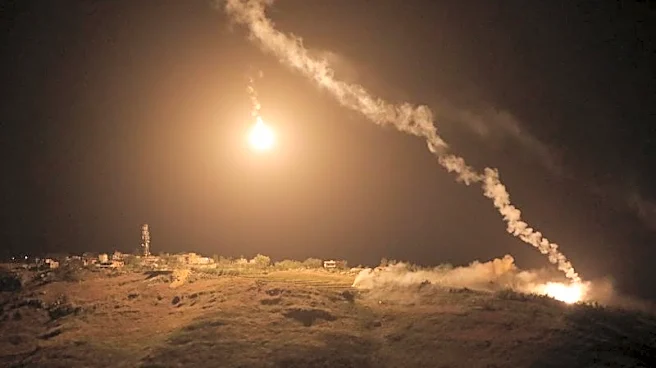
The United Nations Children's Fund (UNICEF) has reported that despite a ceasefire agreement in Lebanon, at least 59 children have been killed or injured in the past week. This alarming statistic highlights the ongoing violence's impact on children in the region.
According to Lebanon's Ministry of Public Health, since the ceasefire took effect on April 17, 2026, 23 children have been killed and 93 injured. Since March 2, a total of 200 children have reportedly been killed and 806 injured. UNICEF emphasizes the need for all parties to protect children and adhere to international humanitarian law to ensure the ceasefire holds. The agency's Regional Director for the Middle East and North Africa, Edouard Beigbeder, stressed that children should be returning to normalcy, such as attending school and playing with friends, rather than facing continued violence.
Why It's Important?
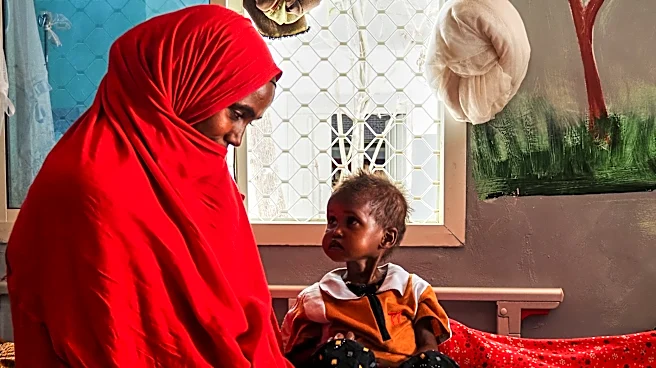
The ongoing violence in Lebanon, despite a ceasefire, underscores the fragile nature of peace agreements in conflict zones and the severe impact on vulnerable populations, particularly children. The reported casualties highlight the urgent need for effective enforcement of ceasefires and protection of civilians, especially minors. The psychological and physical toll on children can have long-lasting effects, potentially leading to a generation affected by trauma and loss. This situation calls for increased international attention and support to ensure the protection and recovery of affected children. The need for mental health and psychosocial services is critical to help children cope with the trauma and prevent long-term psychological issues.
What's Next?
UNICEF has called for urgent investment in mental health and psychosocial services to aid children's recovery from the conflict's effects. The organization urges all parties involved in the conflict to uphold international humanitarian law and take necessary measures to ensure the ceasefire holds. The international community may need to increase diplomatic efforts to stabilize the region and provide humanitarian aid to support the affected populations. Monitoring the situation closely will be essential to prevent further casualties and ensure the protection of children in Lebanon.