



What's Happening?
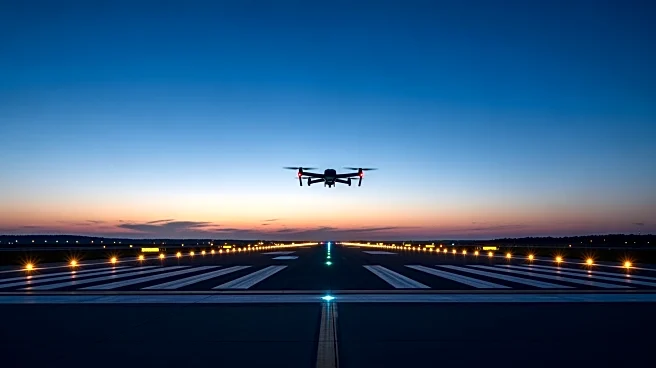
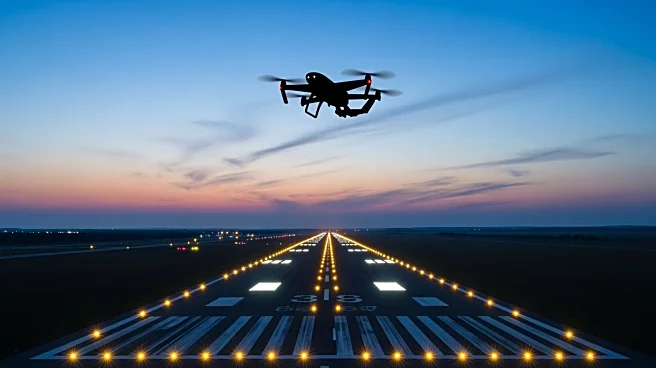
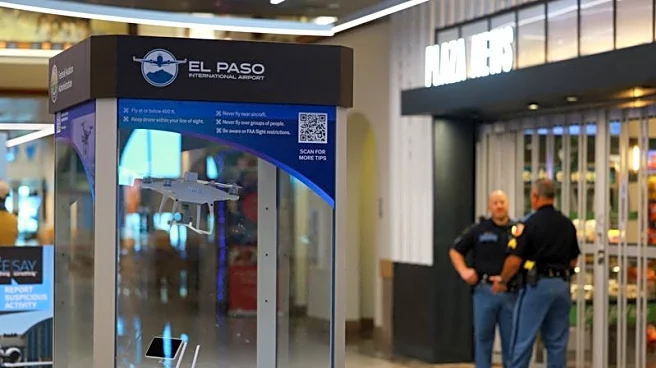
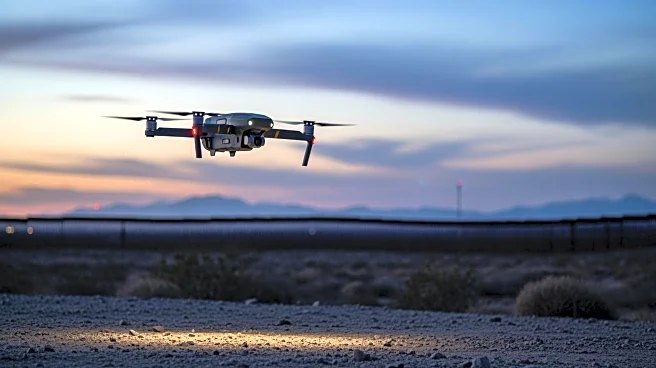
Mexican criminal organizations are increasingly utilizing drones to smuggle drugs and conduct surveillance on U.S. border security forces. This development has led to heightened security measures, including the temporary closure of El Paso International
Airport due to a suspected 'cartel drone incursion.' Although the incident was later attributed to a party balloon, the use of drones by cartels remains a significant concern. These drones are not only used for smuggling but are also being equipped with explosives to attack rival groups and security forces within Mexico. The U.S. Department of Homeland Security has been tracking numerous drone sightings near the border, and new anti-drone laser technology has been deployed to counter potential threats.
Why It's Important?
The increasing use of drones by Mexican cartels poses a new challenge for U.S. border security. These drones enhance the cartels' ability to smuggle drugs and evade detection, complicating efforts to secure the border. The potential for drones to be weaponized raises concerns about the safety of U.S. law enforcement and civilians in border regions. The situation underscores the need for advanced technology and international cooperation to address evolving security threats. The U.S. has categorized several Mexican cartels as 'Foreign Terrorist Organizations,' which could justify more aggressive measures against them, though the legality of such actions is debated.
What's Next?
U.S. and Mexican authorities are expected to continue enhancing their cooperation on security matters, including intelligence-sharing and joint surveillance efforts. A ministerial security meeting is planned to further discuss these issues. The deployment of anti-drone technology will likely increase as authorities seek to mitigate the threat posed by cartel drones. Ongoing dialogue between U.S. and Mexican leaders will be crucial in maintaining effective border security and addressing the challenges posed by organized crime.
Beyond the Headlines
The use of drones by cartels highlights the evolving nature of organized crime and the need for adaptive security strategies. This development may lead to increased investment in drone detection and countermeasure technologies. Additionally, the situation raises ethical and legal questions about the use of military force against non-state actors and the implications of categorizing criminal organizations as terrorist groups. The effectiveness of international cooperation in combating transnational crime will be a key factor in addressing these challenges.