








What's Happening?
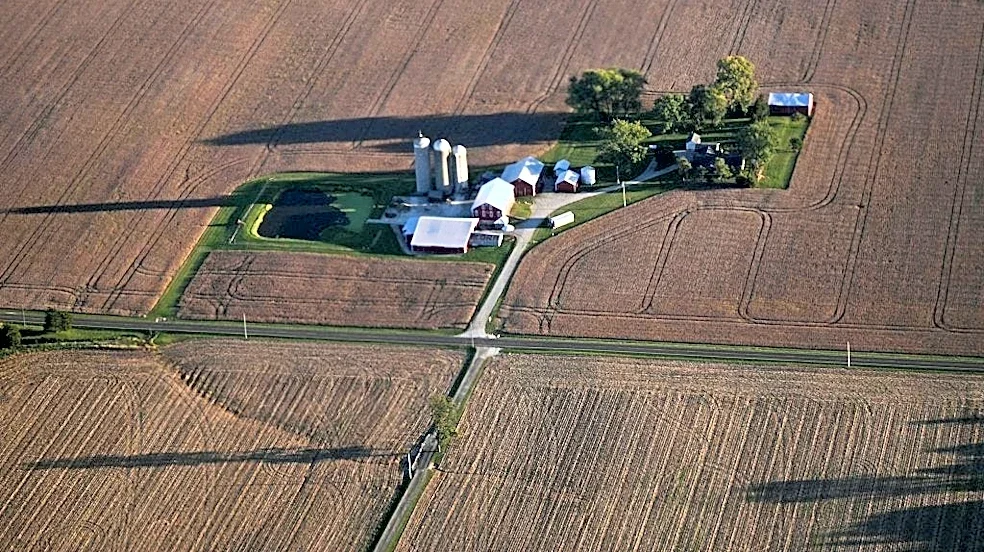
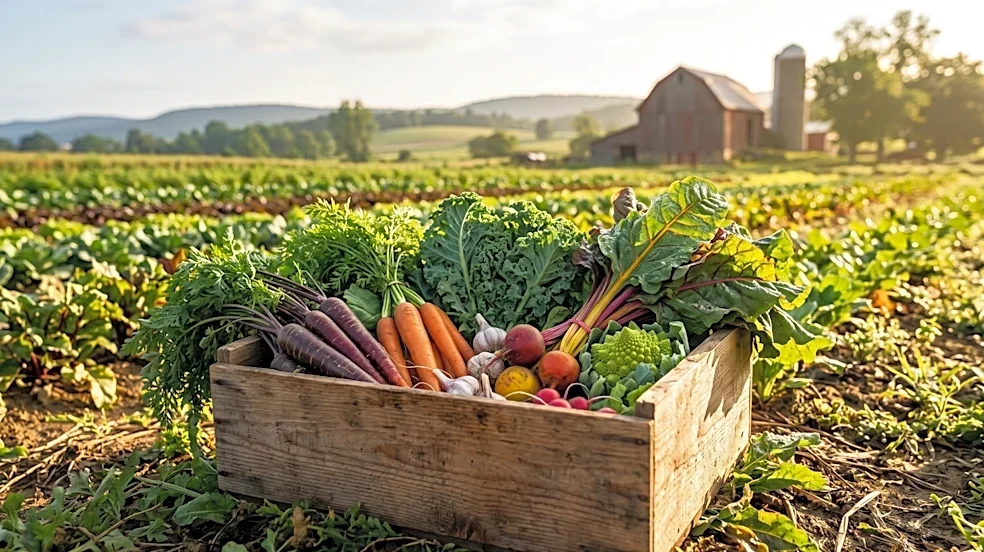
Farmers in Vermont are increasingly struggling to maintain their agricultural land due to a combination of natural disasters, escalating costs, and an aging farming population. This pressure often leads to farmers selling their land, which is then frequently
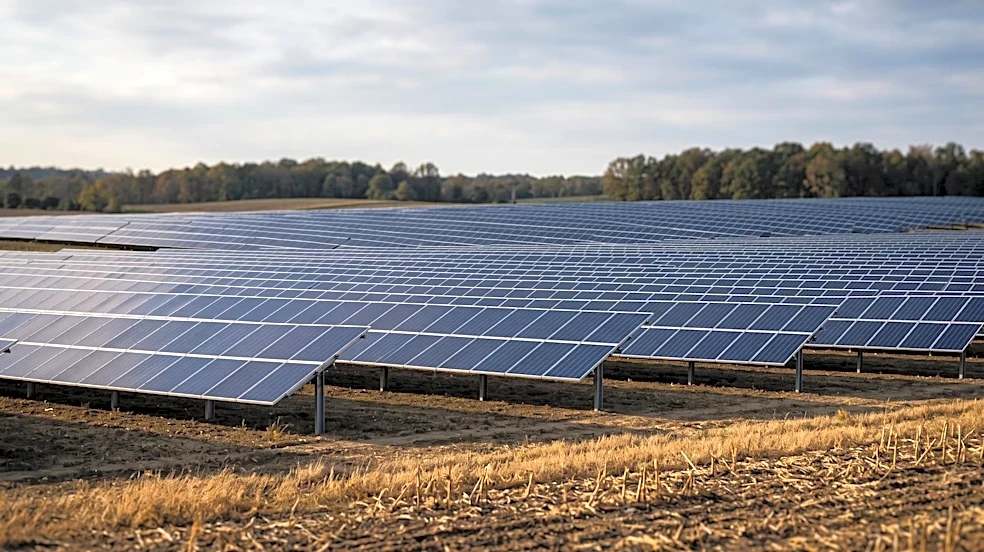
converted into apartment complexes or other developments. A notable instance involves Mike Tetreault, whose family has farmed in Lowell for generations. Tetreault attempted to purchase a neighboring farm to preserve it as agricultural land but was outbid by MHG Solar, a solar developer planning to install nearly 5 megawatts of solar panels on approximately 27 acres. This situation highlights a broader trend where agricultural land is being lost to development, raising concerns among local farmers and state officials about the future of Vermont's billion-dollar agricultural industry. Vermont Agriculture Secretary Anson Tebbetts acknowledges the challenge, stating that the state faces a balancing act between promoting renewable energy and protecting valuable farmland, while also considering farmers who might benefit from solar installations as an income source.
Why It's Important?
The ongoing loss of agricultural land in Vermont carries significant implications for the state's economy, food security, and rural landscape. Vermont's agricultural industry is valued at a billion dollars, and its decline could lead to reduced local food production, increased reliance on external food sources, and a loss of traditional farming livelihoods. The conversion of farmland to solar arrays, while contributing to renewable energy goals, presents a direct conflict with agricultural preservation. This trend could alter the scenic Green Mountains landscape, impacting tourism and the state's identity. Furthermore, the economic pressures on farmers, including rising costs and natural disasters, underscore the vulnerability of small and medium-sized agricultural operations. The competition for land from developers with 'deep pockets' suggests a market dynamic that favors immediate financial gain over long-term agricultural sustainability, potentially leading to irreversible changes in land use and ownership patterns across the state.
What's Next?
Vermont state officials are grappling with how to balance competing interests, specifically between agricultural preservation and renewable energy development. The current process involves a regulatory review for each project, allowing input from various stakeholders, including local communities and developers. However, farmers like Tetreault believe this process could be strengthened to better protect farmland. Future discussions and policy adjustments are likely to focus on refining these regulatory frameworks to ensure that agricultural land is not disproportionately lost to development. This may involve exploring incentives for farmers to keep their land in agricultural use, stricter zoning regulations for farmland, or alternative approaches to renewable energy development that minimize impact on prime agricultural soils. The ongoing investigation into how Vermont's agricultural acreage is vanishing and the complexities of tracking its loss will be crucial in informing these future policy decisions and stakeholder engagements.
Beyond the Headlines
The struggle over land use in Vermont reflects a broader national tension between economic development, environmental sustainability, and the preservation of traditional livelihoods. The case of agricultural land being converted to solar farms highlights an ethical dilemma: how to achieve renewable energy goals without sacrificing valuable agricultural resources. This situation also touches upon the cultural identity of Vermont, deeply rooted in its agricultural heritage and picturesque landscapes. The long-term implications extend to food sovereignty, as the ability of a state to feed its population locally diminishes with the loss of farmland. Moreover, the aging farming population and the financial challenges faced by farmers point to a systemic issue within the agricultural sector, suggesting a need for comprehensive policies that support the next generation of farmers and ensure the economic viability of farming as a profession. The balance between individual property rights and the collective good of preserving agricultural land will continue to be a central theme in this evolving debate.