




What's Happening?
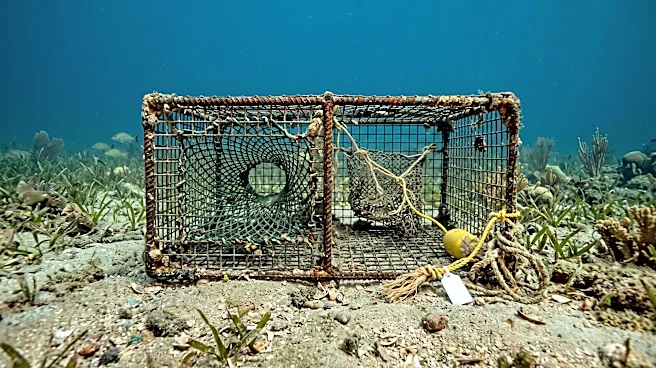
Florida Statute 379.368 outlines the fees associated with the retrieval of specific commercial fishing traps during their respective closed seasons. This regulation applies to spiny lobster, stone crab, blue crab, and black sea bass traps. The statute
is part of a broader chapter, Chapter 379, which covers 'Fish and Wildlife Conservation' within Title XXVIII, 'Natural Resources; Conservation, Reclamation, and Use' of the Florida Statutes. This particular section falls under Part VII, 'Nonrecreational Licenses,' indicating its relevance to commercial fishing activities rather than recreational ones. The statute specifies that fees are required for the retrieval of these traps when the season for their respective species is closed, suggesting a regulatory mechanism to manage fishing efforts and ensure compliance with conservation measures. The detailed structure of Chapter 379 includes various other sections related to licenses, regulations for different marine species, and fees for other fishing and wildlife-related activities, emphasizing a comprehensive approach to natural resource management in Florida.
Why It's Important?
This Florida statute is important for the U.S. commercial fishing industry, particularly for those operating in Florida's waters. By establishing fees for trap retrieval during closed seasons, the state aims to enforce conservation efforts and prevent illegal fishing activities. This regulation directly impacts the operational costs and compliance requirements for commercial fishermen targeting spiny lobster, stone crab, blue crab, and black sea bass. The fees serve as a deterrent against leaving traps in the water past the season, which could lead to ghost fishing (traps continuing to catch marine life indiscriminately) or unauthorized harvesting. For consumers, these regulations contribute to the sustainability of seafood populations, potentially influencing the availability and pricing of these species in the market. The statute also highlights Florida's commitment to managing its marine resources, which is crucial for both ecological balance and the long-term economic viability of its fishing industry. Effective enforcement of such regulations helps maintain healthy fish stocks, benefiting the ecosystem and the livelihoods of those dependent on it.
What's Next?
The Florida Statute 379.368 is an existing regulation, and its continued enforcement will likely involve ongoing monitoring by state agencies to ensure compliance from commercial fishermen. Future developments could include adjustments to the fee structure, modifications to the list of species covered, or changes in the closed season dates, all of which would be driven by ecological assessments and industry feedback. Stakeholders, including commercial fishing associations and environmental groups, will continue to play a role in advocating for their interests regarding these regulations. Any proposed changes would typically go through a legislative process, allowing for public comment and debate. The state's Fish and Wildlife Conservation Commission (FWC) would likely be responsible for implementing and overseeing any updates to these rules, ensuring that they align with broader conservation goals and economic considerations for the fishing community.
Beyond the Headlines
The existence of specific fees for trap retrieval during closed seasons points to a broader challenge in marine resource management: balancing economic interests with ecological sustainability. While the fees aim to deter non-compliance, they also reflect the practical difficulties of removing all gear immediately at the close of a season. This regulation implicitly acknowledges that some traps may remain in the water, and rather than outright prohibition, it establishes a controlled process for their retrieval. This approach highlights the complex interplay between regulatory bodies, the fishing industry, and environmental conservation. It also raises questions about the effectiveness of such fee structures in truly preventing ecological harm versus simply generating revenue. The long-term success of such policies depends not only on enforcement but also on the cooperation and understanding of the fishing community regarding the importance of sustainable practices for their own future livelihoods.