




What's Happening?
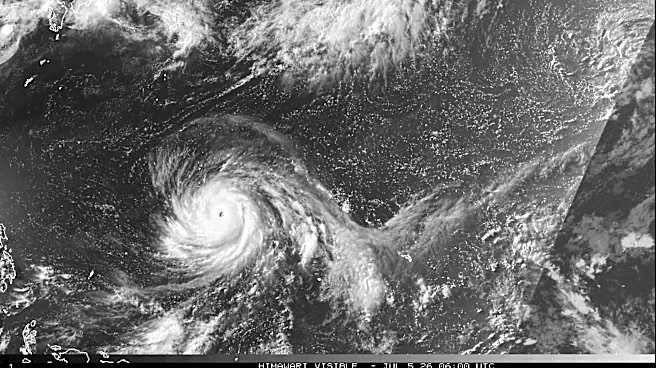
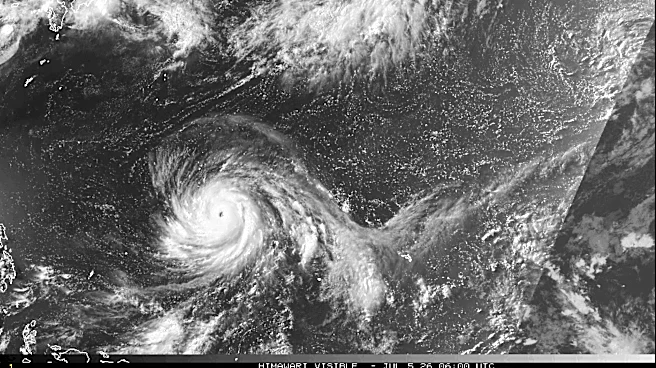
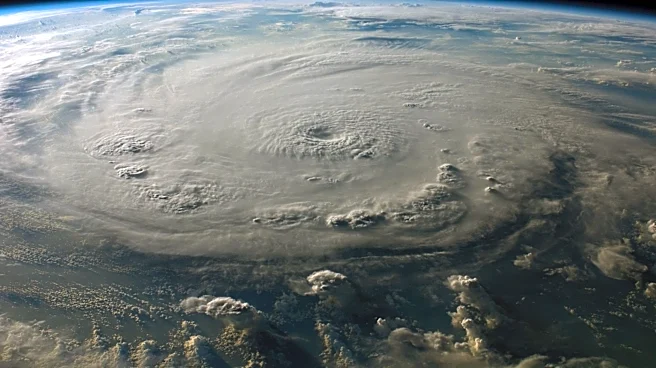
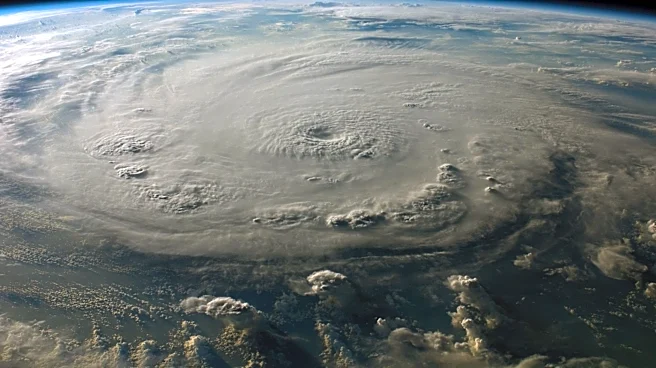
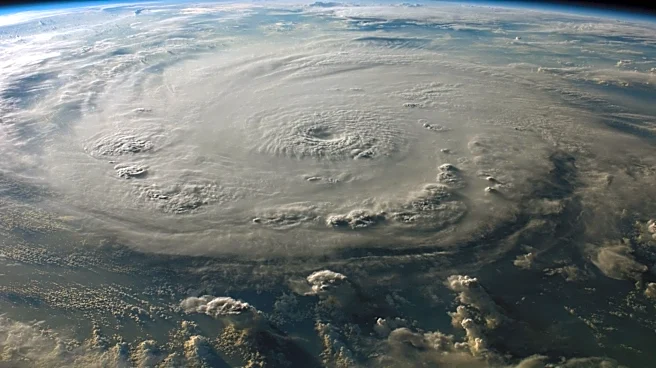
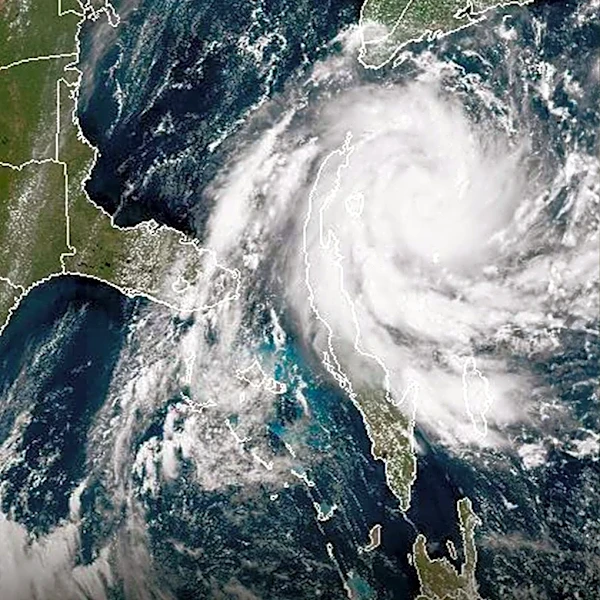
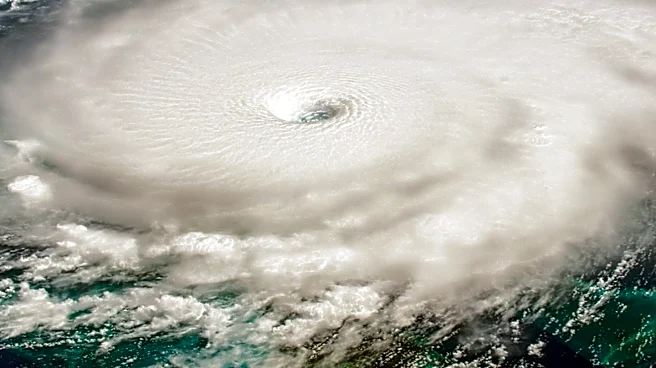
Super Typhoon Bavi is approaching the U.S. Pacific island of Rota with maximum sustained winds nearing 180 miles per hour. The typhoon, classified as 'catastrophic' by the U.S. National Weather Service, is expected to hit the island, home to about 1,500
residents, causing severe damage. The storm's path has already led to precautionary measures in Guam and the Northern Marianas, where residents are preparing for potential impacts. The typhoon's intensity is partly attributed to the ongoing El Nino phenomenon, which has warmed ocean temperatures, contributing to the storm's strength.
Why It's Important?
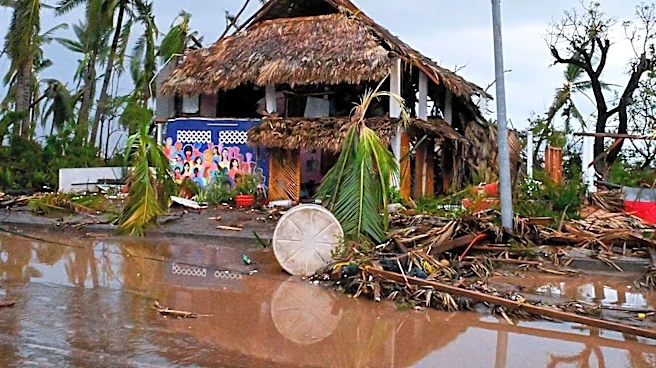
The impending impact of Super Typhoon Bavi on Rota highlights the vulnerability of small island communities to extreme weather events. Such storms can cause significant destruction, leading to long-term disruptions in infrastructure, economy, and daily life. The situation underscores the importance of disaster preparedness and resilient infrastructure in mitigating the effects of natural disasters. Additionally, the storm's link to El Nino and rising ocean temperatures points to broader climate change challenges that require global attention and action.
What's Next?
As Super Typhoon Bavi approaches, emergency services and local authorities are on high alert, coordinating evacuation plans and safety measures. The aftermath of the storm will likely involve extensive recovery efforts, including rebuilding infrastructure and providing aid to affected residents. The event may prompt discussions on improving disaster response strategies and investing in climate resilience for vulnerable regions. International aid and support may also be mobilized to assist in recovery efforts.
Beyond the Headlines
The typhoon's impact on Rota serves as a reminder of the disproportionate effects of climate change on small island nations. These communities often face significant challenges in adapting to and recovering from extreme weather events. The situation calls for increased international cooperation and support to enhance climate resilience and sustainable development in these regions. Additionally, the storm highlights the need for continued research into the effects of climate change on weather patterns and the development of innovative solutions to mitigate its impacts.