





What's Happening?
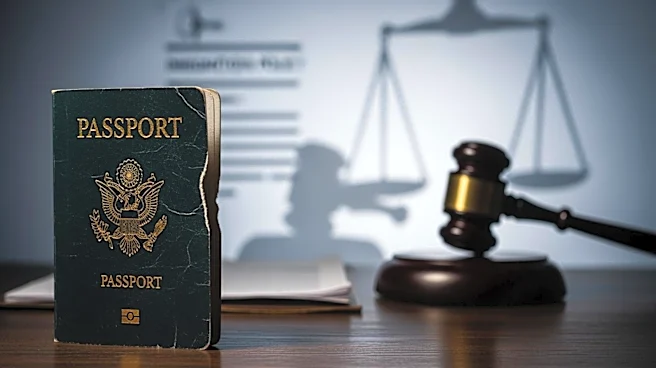
The Trump administration has intensified its efforts to combat 'birth tourism,' a practice where foreign nationals travel to the U.S. to give birth, thereby securing citizenship for their children. The State Department has outlined enforcement actions
targeting networks that facilitate this practice, emphasizing the revocation of visas and increased scrutiny of visa applicants. This move is part of a broader immigration policy push, which includes tightening other visa programs. The administration's actions have sparked debate over the interpretation of the 14th Amendment's citizenship clause, with some experts arguing that the crackdown is necessary to protect U.S. sovereignty, while others believe it is an overreach.
Why It's Important?
The crackdown on birth tourism highlights ongoing tensions in U.S. immigration policy, particularly concerning birthright citizenship. The administration's actions could have significant implications for international relations and the perception of U.S. immigration policies abroad. By targeting organized networks, the government aims to prevent perceived abuses of the visa system, which could affect diplomatic ties with countries where these networks operate. Additionally, the policy could impact the tourism industry and international students, as increased scrutiny may deter legitimate travelers. The debate over birthright citizenship also touches on constitutional interpretations, potentially influencing future legal challenges and policy decisions.
What's Next?
The administration's efforts are likely to continue, with further investigations and visa revocations expected. Legal challenges to the crackdown may arise, particularly concerning the interpretation of the 14th Amendment. The issue could also become a focal point in political debates, influencing future immigration policies and legislative proposals. Stakeholders, including immigration advocates and legal experts, may push for alternative solutions to address visa fraud without undermining constitutional rights. The international community will likely monitor these developments closely, as they could affect bilateral relations and global perceptions of U.S. immigration policies.