



What's Happening?
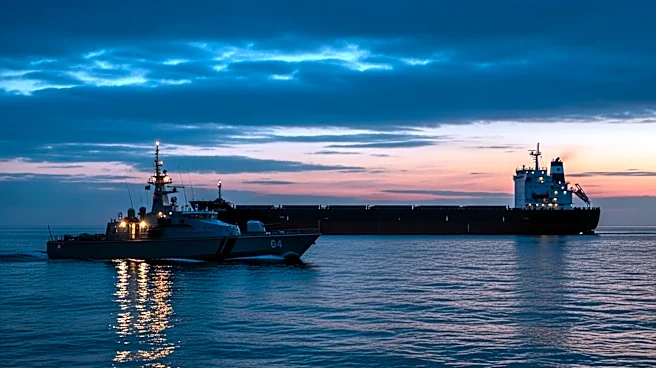
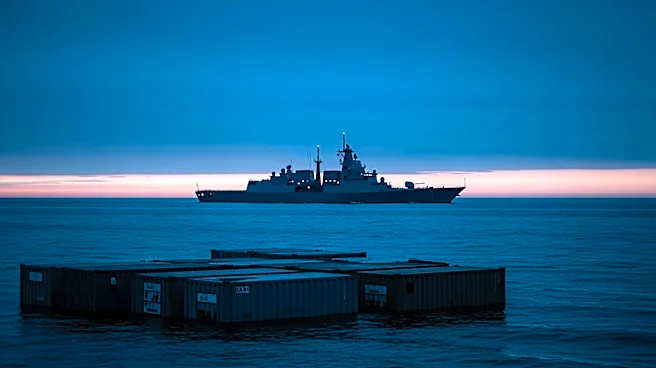
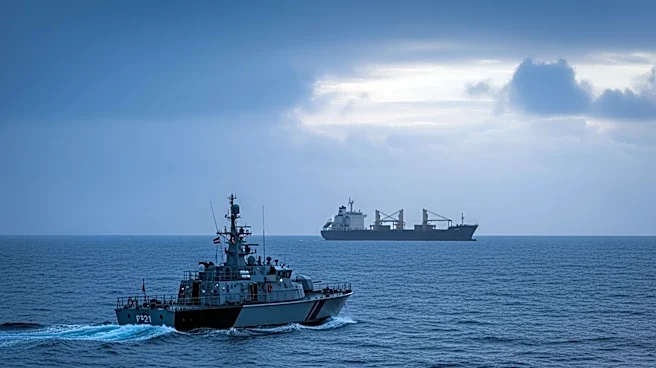
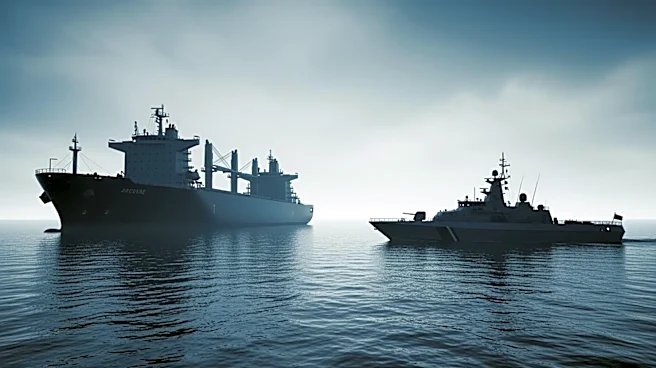
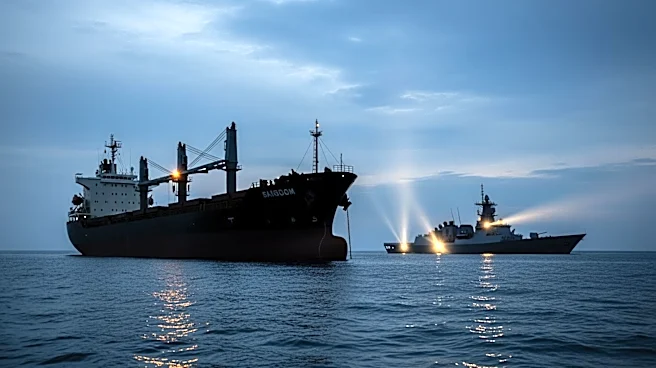
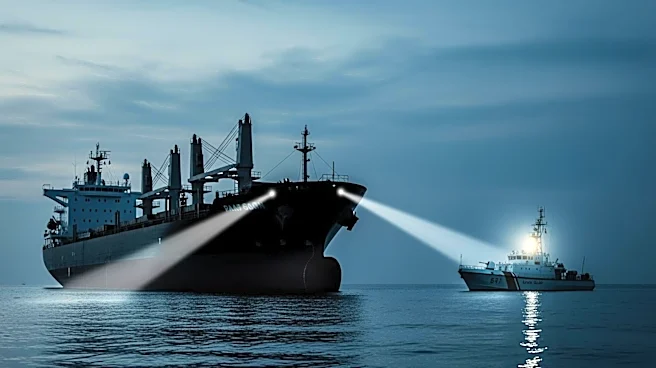
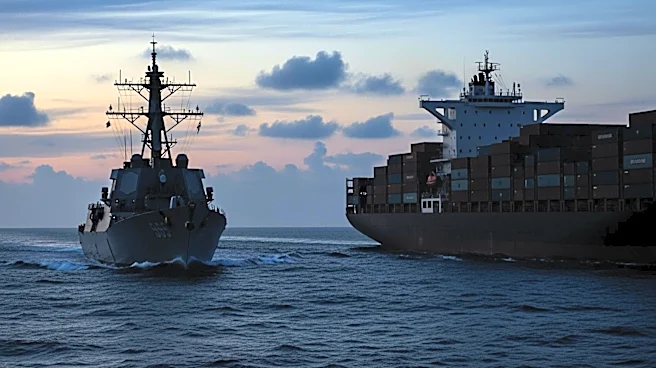
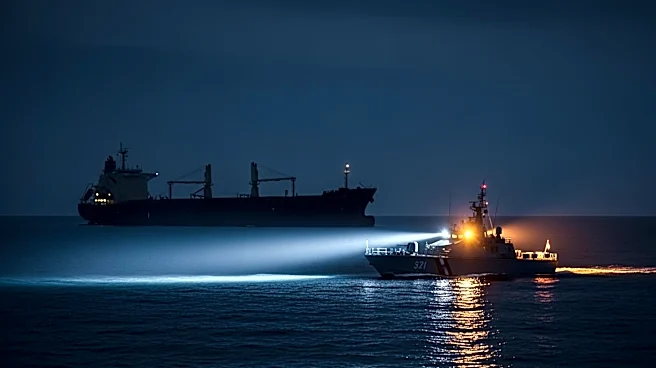
The U.S. military has seized the Iranian-flagged container ship Touska, suspecting it of carrying dual-use items that could be utilized for military purposes. The ship, part of the Islamic Republic of Iran Shipping Lines (IRISL), was intercepted off the coast
of Iran's Chabahar port in the Gulf of Oman. The U.S. Central Command reported that the vessel did not comply with warnings over a six-hour period, violating a U.S. blockade. The ship, which had previously transported items considered dual-use, was traveling from China and had made stops in Malaysia before reaching the Gulf of Oman. The U.S. has imposed sanctions on IRISL, citing its role in transporting materials for Iran's ballistic missile program. Iran's military has accused the U.S. of 'armed piracy' and expressed readiness to confront U.S. forces, although they are constrained by the presence of crew members' families on board.
Why It's Important?
This incident highlights the ongoing geopolitical tensions between the U.S. and Iran, particularly concerning Iran's shipping activities and alleged military procurement. The seizure of the Touska underscores the U.S.'s commitment to enforcing sanctions and preventing the transport of materials that could enhance Iran's military capabilities. This action could further strain U.S.-Iran relations and impact regional stability in the Gulf of Oman. The involvement of China, where the ship initially loaded containers, adds a layer of complexity to international diplomatic relations, as China has expressed concern over the U.S.'s interception of the vessel. The situation could influence future maritime security policies and international trade routes, especially those involving sanctioned nations.
What's Next?
The U.S. is likely to continue its enforcement of maritime sanctions against Iran, potentially leading to more confrontations at sea. Iran may seek diplomatic or military responses to what it perceives as U.S. aggression. The international community, including China, may call for dialogue to prevent escalation. The U.S. Navy's advisory on expanding the blockade to include contraband cargoes suggests increased scrutiny of vessels in the region, which could affect global shipping operations. Monitoring the situation will be crucial for stakeholders in international trade and security.