

What's Happening?
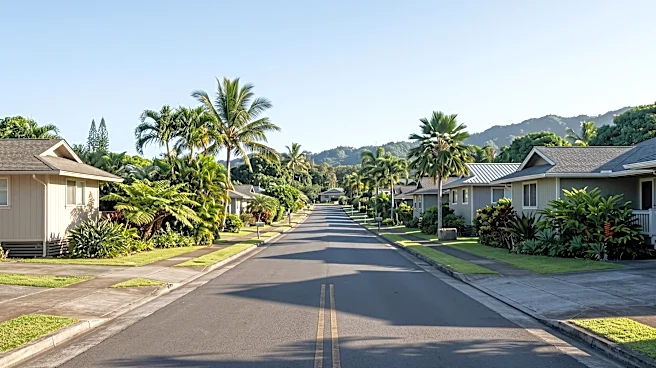
U.S. Representative Jill Tokuda has successfully secured federal funding to support various resilience projects across Hawaii, particularly focusing on Windward Oahu. These funds are assisting initiatives like the establishment of 14 hyper-local resilience hubs
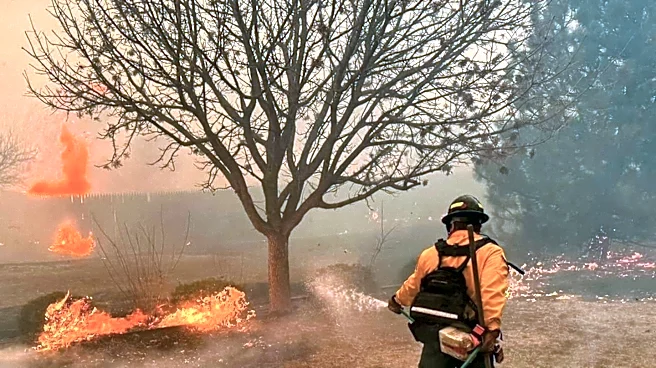
in Windward Oahu, which aim to provide critical aid and services to communities during disasters. Additionally, the Hawaii State Energy Office has obtained $18.5 million in federal funds specifically for grid resilience investments. Of this amount, $11.9 million is allocated to create critical customer hubs in Kaneohe, Kailua, and Waimanalo. These hubs are designed to maintain essential public facilities, such as police and fire stations, medical clinics, pharmacies, and grocery stores, operational during extended power outages. The city has also launched 'Stay Open O‘ahu,' a free disaster preparedness program to help small businesses recover more quickly from disruptions, with the Center for Resilient Neighborhoods (CERENE) assisting in its expansion. These efforts are part of a broader strategy to build a robust network of organizations capable of supporting community recovery from various disasters, especially in light of increasing threats from events like the 'super' El Nino season and past incidents like Hurricane Lala and the Maui wildfires.
Why It's Important?
These resilience projects are critically important for Hawaii due to the state's high vulnerability to natural disasters, including hurricanes, wildfires, and severe weather events. The establishment of hyper-local resilience hubs ensures that communities, particularly those in remote or underserved areas, have access to essential resources and support when traditional infrastructure fails. This directly impacts public safety and well-being by providing shelter, charging stations, and food distribution points during emergencies. The significant investment in grid resilience, particularly for Windward Oahu, addresses a major vulnerability: the region's reliance on trans-Koolau transmission lines and lack of local power generation, which makes it susceptible to prolonged outages. By creating critical customer hubs, essential services can continue, minimizing disruption and accelerating recovery for residents and businesses. Furthermore, the 'Stay Open O‘ahu' program strengthens the local economy by helping small businesses prepare for and recover from disasters, thereby reducing long-term economic impacts and supporting community stability. These initiatives collectively enhance Hawaii's overall preparedness and capacity to withstand and recover from future catastrophic events, safeguarding both lives and livelihoods.
What's Next?
The immediate next steps involve the continued implementation and expansion of these resilience projects. The federal funds secured by U.S. Rep. Jill Tokuda and the Hawaii State Energy Office will be utilized to develop the 14 hyper-local resilience hubs in Windward Oahu and to establish the critical customer hubs in Kaneohe, Kailua, and Waimanalo. The Center for Resilient Neighborhoods (CERENE) will continue to assist with the expansion of the 'Stay Open O‘ahu' program, aiming to enlist more organizers and residents into disaster preparedness efforts. There will likely be ongoing community outreach and engagement to educate residents and businesses about these new resources and programs. The Hawaii Emergency Management Agency (HIEMA) is expected to continue assessing the need for these centers and supporting their development. As Hawaii faces increasing threats from natural disasters, further investments in infrastructure and community-led initiatives are anticipated to enhance the state's long-term resilience and preparedness.
Beyond the Headlines
Beyond the immediate benefits of disaster preparedness, these initiatives highlight a broader shift towards community-centric resilience strategies. The emphasis on 'hyper-local' hubs signifies a recognition that centralized disaster response can be insufficient, especially in geographically diverse and isolated communities like those in Hawaii. This approach empowers local groups and fosters self-sufficiency, which can lead to stronger social cohesion and a more effective, decentralized response during crises. The focus on grid resilience also underscores the critical link between infrastructure robustness and societal stability; reliable power is not just a convenience but a necessity for maintaining public health, safety, and economic activity. Furthermore, the 'Stay Open O‘ahu' program reflects an understanding that economic recovery is integral to overall community resilience, moving beyond mere survival to ensuring sustained well-being. These efforts could serve as a model for other regions vulnerable to climate change and natural disasters, demonstrating the effectiveness of integrated, multi-faceted approaches to resilience building.