



What's Happening?
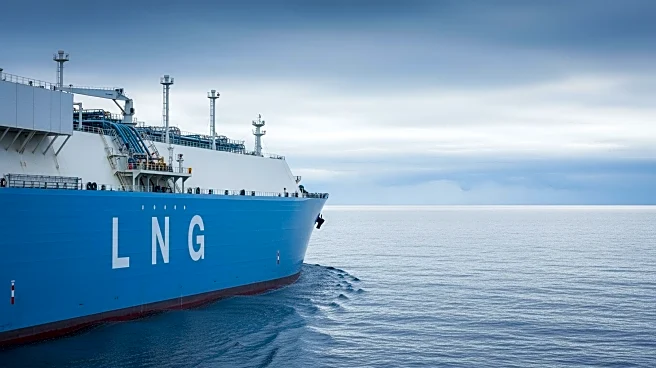
Liquefied natural gas (LNG) cargoes from Canada and Australia are being redirected to Europe and the Americas due to an Arctic storm that has disrupted U.S. exports. This rare move is a response to the storm's impact on gas output and LNG exports from Gulf
Coast terminals, which has increased global demand and prices. The diversion of these cargoes from their usual Asian destinations could tighten supply and support spot LNG prices in Asia. The U.S. accounts for a significant portion of Europe's LNG imports, and the current situation highlights the interconnectedness of global energy markets.
Why It's Important?
The redirection of LNG cargoes underscores the vulnerability of global energy supply chains to extreme weather events. The Arctic storm's impact on U.S. exports has ripple effects across the globe, affecting supply and prices in multiple regions. For Europe, the additional LNG supplies from Canada and Australia could help mitigate the shortfall caused by reduced U.S. exports. However, the situation also highlights the need for diversified energy sources and resilient infrastructure to withstand such disruptions. The event may prompt stakeholders to reassess energy strategies and contingency plans.