


What's Happening?
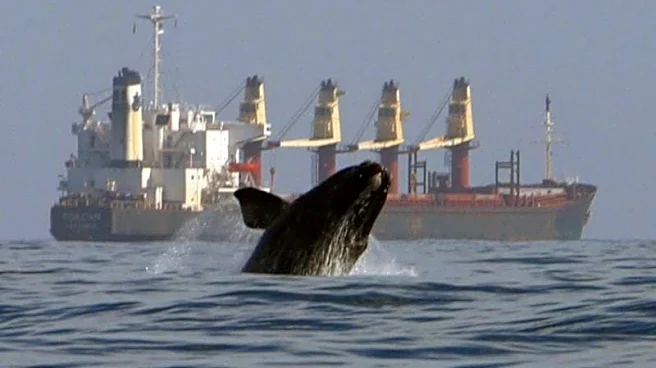
A humpback whale found washed ashore at Brunswick Heads last week was likely in poor health for an extended period, according to local marine expert Glenn Sanders, owner of Wild Byron Sea Safaris. Sanders observed the whale was severely emaciated and had
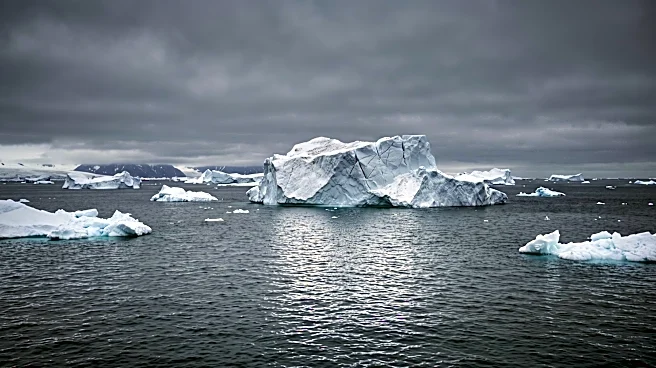
an abundance of external parasites, suggesting a prolonged struggle with illness or underlying health issues. While the exact cause of death could not be determined without a necropsy, its physical condition pointed to chronic poor health rather than an acute event. This incident has brought renewed attention to the pressures facing humpback whales, particularly in their Antarctic feeding grounds, where industrial krill fishing and climate change are impacting their primary food source.
Why It's Important?
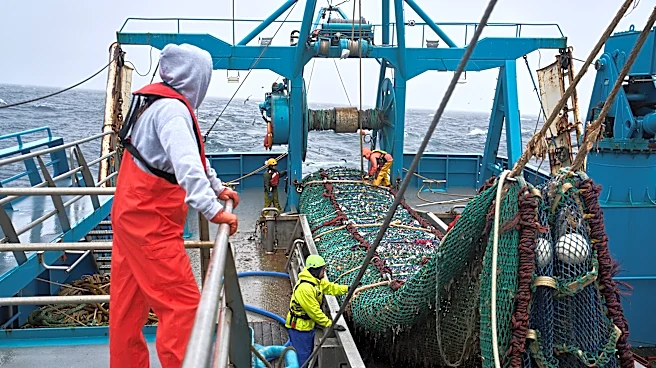
The stranding of the humpback whale, while not definitively linked to krill fishing or climate change, serves as a stark reminder of the vulnerabilities faced by marine megafauna. Glenn Sanders, a marine expert, emphasizes that industrial factory vessels are harvesting Antarctic krill on a massive scale, directly competing with whales for their essential food source. This competition, coupled with climate change altering sea ice conditions crucial for krill populations, poses a significant threat to the long-term recovery of humpback whales. For the U.S., this issue resonates with broader concerns about ocean health, the impact of commercial fishing practices on marine ecosystems, and the global implications of climate change on biodiversity, affecting international conservation policies and research efforts.
What's Next?
The incident is likely to intensify calls from conservationists and marine experts, such as Glenn Sanders, for increased protection of Antarctic feeding grounds and more sustainable krill fishing practices. There will likely be continued advocacy for stricter regulations on industrial krill harvesting, including potential spatial and temporal restrictions to safeguard critical areas for whales. Scientists may also increase efforts to monitor krill populations and the health of marine mammals in the Southern Ocean to better understand the cumulative impacts of fishing and climate change. This event could also prompt further public awareness campaigns about the interconnectedness of marine ecosystems and the need for global conservation efforts to protect vulnerable species like humpback whales.
Beyond the Headlines
The washed-up whale in Brunswick Heads, while a localized event, underscores a deeper, systemic challenge in marine conservation: the balance between human economic activity and the ecological needs of wildlife. The concerns raised about the Antarctic krill fishery highlight the ethical dilemma of exploiting a foundational species in a critical ecosystem, especially when that ecosystem is already under stress from climate change. This situation reflects the broader global issue of managing shared natural resources, where the actions of one industry or nation can have far-reaching consequences for international biodiversity and the health of the planet's oceans. It also brings into focus the responsibility of individuals and governments to advocate for and implement policies that prioritize long-term ecological sustainability over short-term economic gains.