




What's Happening?
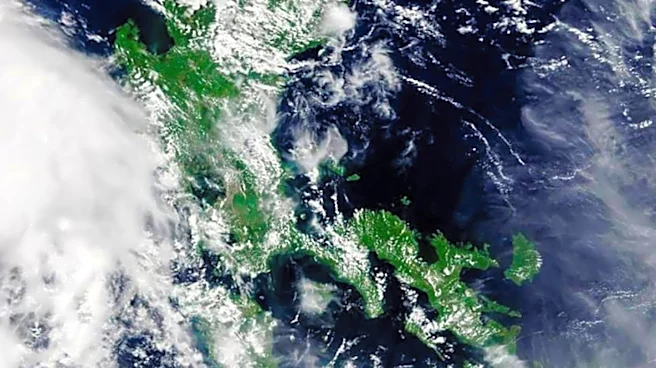
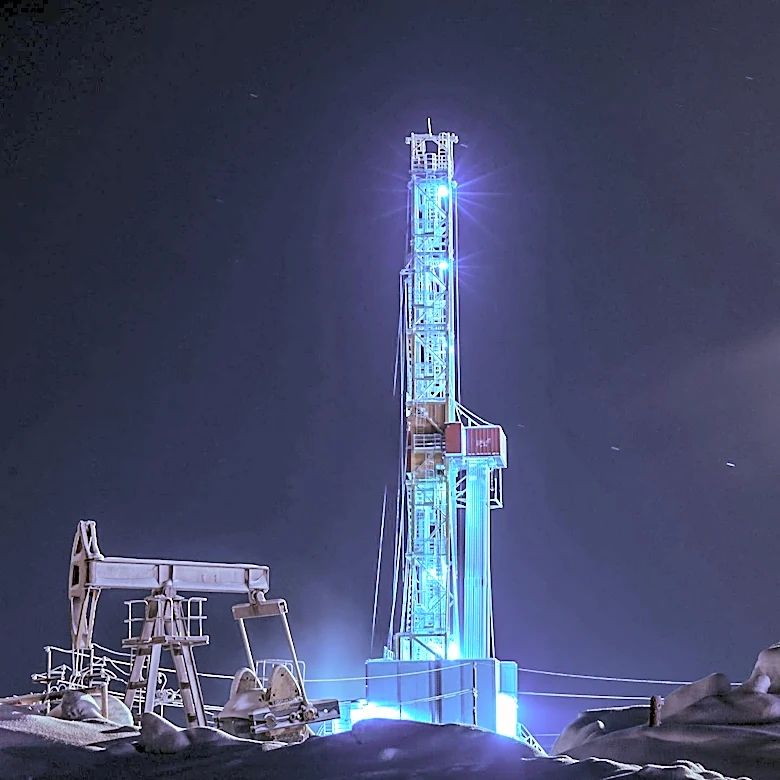
The Philippines has formally presented its claim for an extended continental shelf in the West Philippine Sea to the United Nations Commission on the Limits of the Continental Shelf. This move aims to secure sovereign rights over resources such as oil,
gas, and minerals beyond the country's exclusive economic zone. The claim, which extends up to 350 nautical miles from the baselines, is part of the Philippines' strategy to uphold a rules-based order in the South China Sea. However, the submission has faced objections from China, Vietnam, and Malaysia, who assert their own claims over the region. The Philippines' effort follows a previous successful claim validated by the UN in 2012, which granted the country additional seabed rights.
Why It's Important?
The Philippines' submission to the UN is significant as it underscores the ongoing geopolitical tensions in the South China Sea, a region rich in resources and strategic importance. Recognition of the claim could enhance the Philippines' access to valuable resources, potentially boosting its economy. However, the objections from neighboring countries highlight the complex territorial disputes in the area, which have implications for regional stability and international maritime law. The outcome of this submission could influence future diplomatic and legal strategies in the South China Sea disputes.
What's Next?
The UN commission's decision on the Philippines' claim will be closely watched, as it could set a precedent for other territorial disputes in the region. The commission cannot evaluate the submission if there are unresolved disputes, which means diplomatic negotiations may be necessary. The Philippines may need to engage in further dialogue with China, Vietnam, and Malaysia to address their objections. The international community will also be monitoring the situation, as the South China Sea is a critical maritime route with global economic implications.