








What's Happening?
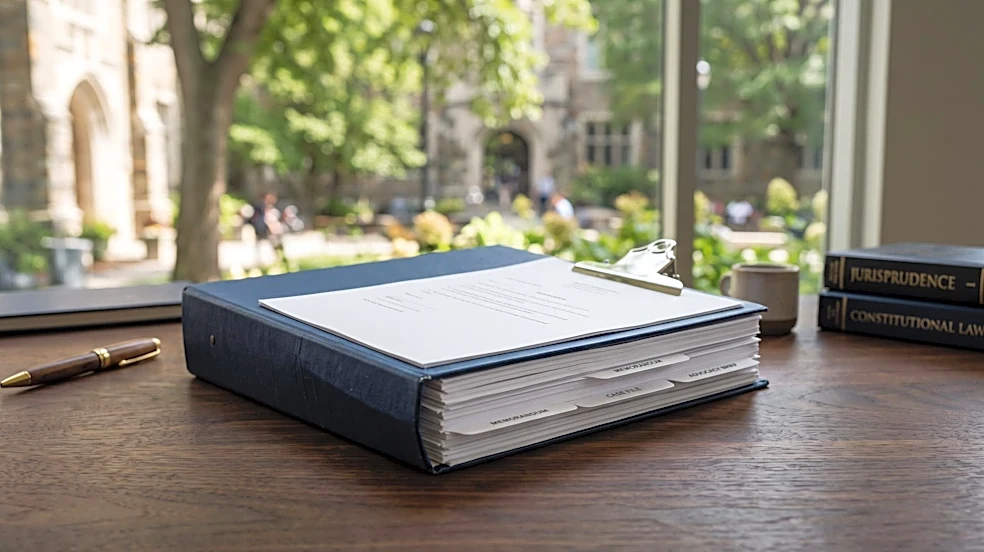
The University of Washington School of Law offers a course titled 'Theories and Tools for Combatting Corruption' (LAW E 513), which delves into the multifaceted issue of corruption. The course examines the theories, causes, and consequences of corruption,
recognizing it as a significant obstacle to development and a 'cost of doing business' in many countries. It also explores various regimes established to combat and measure corruption. Among the specific tools and frameworks discussed are the United Nations Convention Against Corruption (UNCAC), the OECD Anti-Bribery Convention, and the U.S. Foreign Corrupt Practices Act (FCPA). The course also covers the Transparency International's Corruption Perceptions Index, a key metric for assessing perceived public-sector corruption globally. This academic offering provides students with a comprehensive understanding of both the theoretical underpinnings and practical applications of anti-corruption efforts on an international scale.
Why It's Important?
This law course is highly important for the U.S. as it educates future legal professionals on critical aspects of international business and governance. The U.S. Foreign Corrupt Practices Act (FCPA) is a cornerstone of U.S. anti-corruption efforts, holding U.S. companies and individuals accountable for bribery abroad. By studying the FCPA alongside international conventions like UNCAC and the OECD Anti-Bribery Convention, students gain a nuanced understanding of the global legal landscape that impacts U.S. businesses operating internationally. This knowledge is crucial for ensuring compliance, mitigating legal risks, and promoting ethical business practices, which are vital for maintaining the integrity of U.S. companies and their competitiveness in global markets. Furthermore, understanding the causes and consequences of corruption, as well as the methodologies of indices like Transparency International's, equips future lawyers to contribute to policy development and advocacy that supports U.S. interests in promoting good governance and stable economic environments worldwide. The course directly addresses how corruption can impede economic development, a concern that impacts U.S. trade, investment, and foreign policy objectives.
What's Next?
The continued offering of such specialized law courses indicates a sustained academic focus on anti-corruption, suggesting that future generations of U.S. legal professionals will be well-versed in this complex area. Graduates of this course will be equipped to work in various sectors, including corporate compliance, international law, government agencies, and non-governmental organizations, contributing to the ongoing fight against corruption. This educational foundation will likely lead to more sophisticated legal strategies for U.S. companies navigating international markets and more robust enforcement of anti-corruption laws. The insights gained from studying international regimes and indices could also inform future legislative efforts in the U.S. to strengthen its own anti-corruption framework or enhance its collaboration with international partners. As global business continues to expand, the demand for legal experts with this specialized knowledge will likely grow, further solidifying the importance of such academic programs.
Beyond the Headlines
Beyond its direct legal and business implications, this course delves into the ethical and societal dimensions of corruption. By examining corruption as an 'obstacle to development,' it highlights the profound human cost of illicit practices, including their impact on poverty, inequality, and human rights. The study of various anti-corruption regimes also implicitly explores the philosophical underpinnings of justice, fairness, and the rule of law across different cultures and legal systems. This academic exploration fosters a deeper understanding of how corruption erodes public trust, undermines democratic institutions, and distorts market mechanisms, thereby affecting the very fabric of society. For U.S. students, this course offers a critical perspective on America's role in global governance and its responsibility to promote ethical conduct internationally. It encourages a holistic view of corruption, recognizing it not just as a legal problem but as a complex socio-political phenomenon requiring interdisciplinary solutions and a strong ethical compass.