




What's Happening?
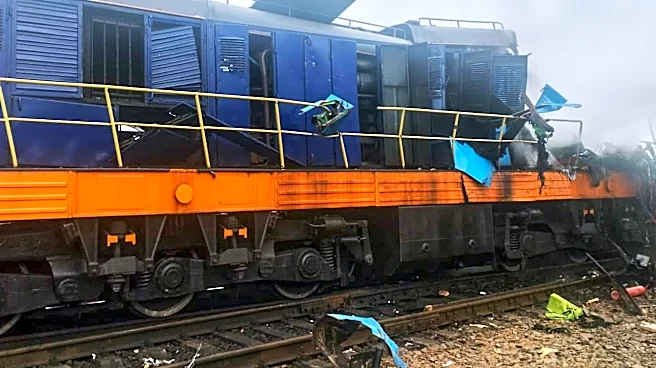
Ukraine is actively developing backup logistics routes in its frontline regions to enhance supply chain resilience against ongoing Russian attacks. President Volodymyr Zelenskyy announced that the government is calculating algorithms to combine rail and
bus routes to ensure logistics security. The Ministry of Finance has been directed to allocate additional resources for these logistical needs. This initiative follows a detailed analysis of the requirements for Ukrzaliznytsia (Ukrainian Railways), gas stations, and critical enterprises, which are frequently targeted by Russian forces. The government is also addressing the capacity of Ukrzaliznytsia for rolling stock repairs and equipment supply, emphasizing the importance of continued support from international partners and state-owned banks. Furthermore, tasks have been updated to protect designated critical infrastructure facilities, though specific details remain undisclosed.
Why It's Important?
The establishment of resilient logistics routes is critical for Ukraine's ability to sustain its war effort and maintain essential services for its population. By diversifying transportation methods and securing supply lines, Ukraine aims to mitigate the impact of Russian strikes on its infrastructure, which have severely disrupted traditional supply chains. This strategic move is vital for ensuring the continuous flow of military supplies, humanitarian aid, and commercial goods, particularly fresh produce, which is highly vulnerable to transport delays. The focus on protecting critical enterprises and infrastructure underscores the broader effort to safeguard the nation's economic stability and the well-being of its citizens amidst ongoing conflict. The involvement of international partners and state-owned banks highlights the collaborative nature of these efforts and the significant financial investment required.
What's Next?
The Ukrainian government will proceed with implementing the calculated algorithms for combined rail and bus routes, aiming to operationalize these backup logistics systems. The Ministry of Finance will work to provide the necessary additional resources, which will be crucial for the success of these initiatives. Continued support from international partners and state-owned banks will be essential for maintaining Ukrzaliznytsia's capacity and ensuring the supply of equipment. The updated protection measures for critical infrastructure facilities will be put into effect, though their nature will likely remain confidential for security reasons. These efforts are part of a broader strategy to adapt to the evolving challenges of the conflict, ensuring that Ukraine can continue to function and resist aggression despite persistent attacks on its logistical backbone.
Beyond the Headlines
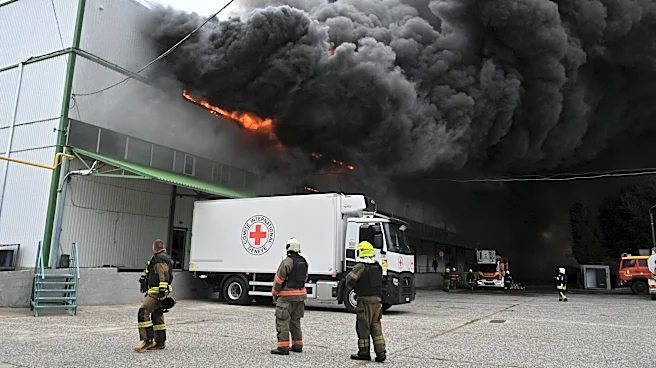
The proactive measures taken by Ukraine to secure its logistics routes reflect a deeper understanding of modern warfare, where supply chain resilience is as crucial as battlefield prowess. The emphasis on combining rail and bus routes, and the protection of critical infrastructure, illustrates a comprehensive approach to national defense that extends beyond military engagements to encompass economic and social stability. This situation also highlights the evolving nature of humanitarian aid delivery in conflict zones, where traditional methods of stockpiling goods are becoming increasingly risky. The need for innovative solutions, such as underground storage or just-in-time delivery, underscores the profound impact of conflict on civilian life and the continuous adaptation required from aid organizations and governments alike.