



What's Happening?
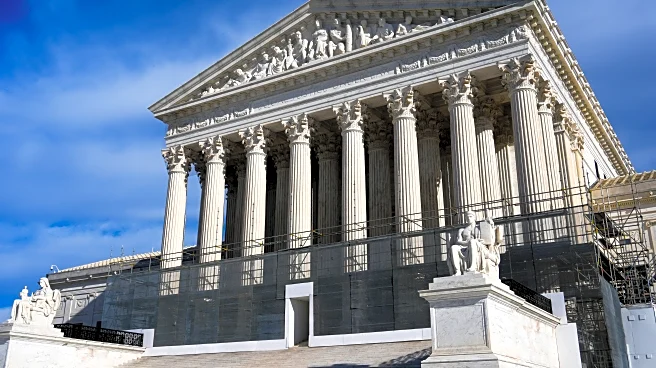
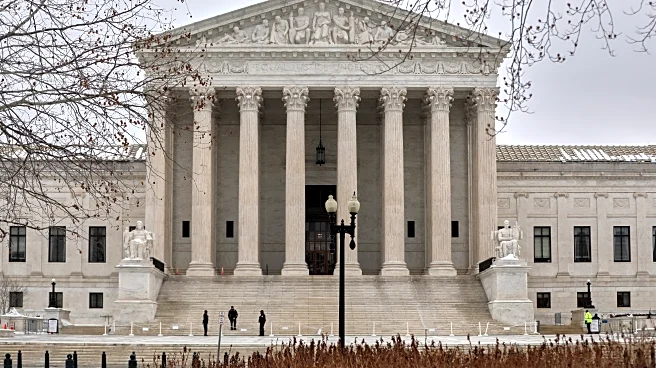
President Donald Trump announced an increase in the global tariff rate to 15%, up from the previously announced 10%. This decision follows a Supreme Court ruling that limited his emergency powers to impose sweeping tariffs. Despite the court's decision,
Trump signed an executive order to bypass Congress and impose the tariffs, which are set to last for 150 days unless extended legislatively. The move is part of Trump's strategy to apply global pressure and address what he perceives as unfair trade practices against the United States.
Why It's Important?
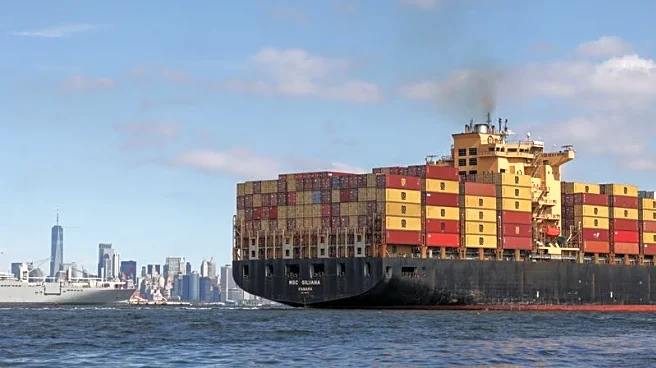
The increase in global tariffs could have significant implications for international trade and the U.S. economy. Higher tariffs may lead to increased costs for imported goods, potentially affecting consumer prices and business operations. The decision also reflects ongoing tensions between the executive branch and the judiciary, as Trump continues to challenge legal constraints on his trade policies. The move could further strain relations with trading partners and impact global markets, which have already been unsettled by Trump's unpredictable tariff announcements.
What's Next?
The temporary tariffs are scheduled to take effect on February 24, with the possibility of extension through legislative action. The Trump administration plans to determine new, legally permissible tariffs in the coming months. This situation may prompt reactions from international trading partners, who could retaliate with their own tariffs or seek negotiations. Additionally, there may be increased scrutiny from Congress and legal challenges to the administration's tariff policies.