


What's Happening?
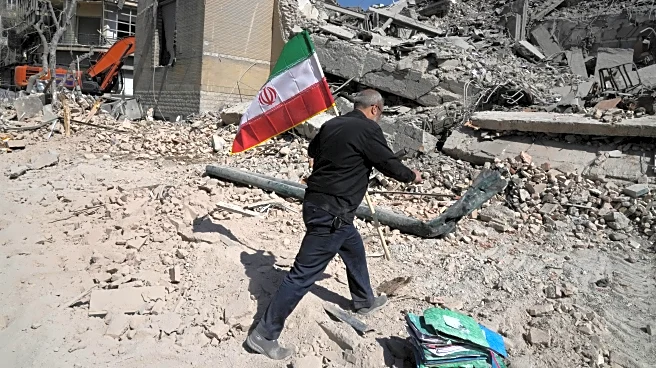
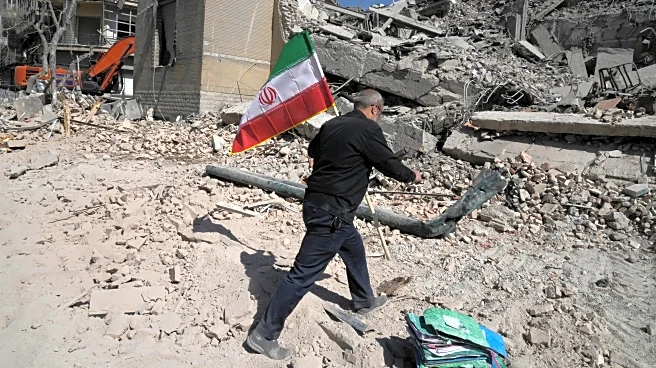
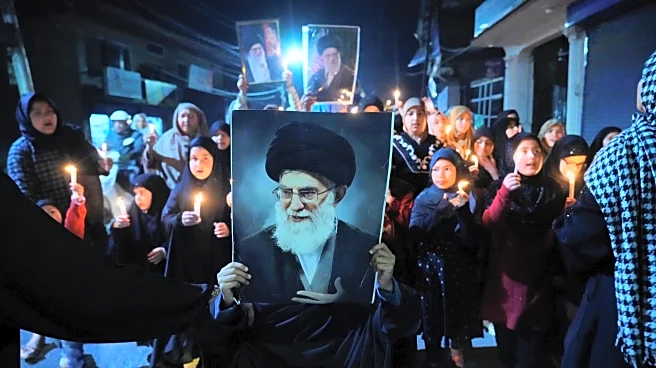
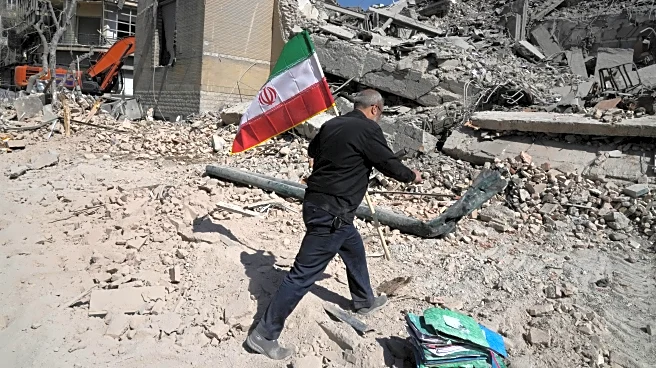
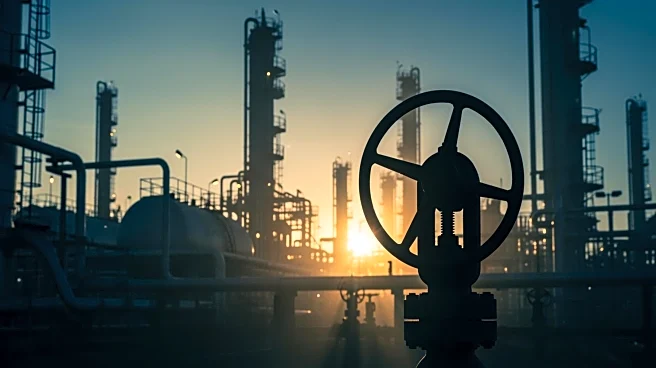
The ongoing conflict involving Iran has led to significant disruptions in energy and maritime supply chains in the Middle East. On March 1, Chevron Mediterranean, the operator of Israel's Leviathan Natural Gas Project, announced a suspension of production
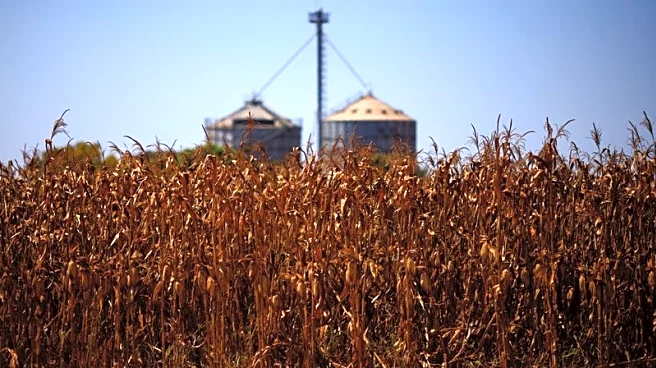
activities due to security concerns following coordinated US-Israel military operations against Iran. This has halted the supply of natural gas to Jordan and Egypt, which rely heavily on these imports for electricity generation. Additionally, Kuwait has temporarily suspended food exports and introduced price controls in response to disruptions in shipping through the Strait of Hormuz, a critical maritime passage affected by Iranian attacks. These developments highlight the region's vulnerability to supply chain disruptions, particularly in energy and food sectors.
Why It's Important?
The disruptions in energy supply chains have significant implications for regional stability and economic conditions. Jordan and Egypt, both heavily reliant on imported natural gas, face increased costs and supply challenges, potentially affecting their electricity generation and industrial sectors. The situation exacerbates existing economic vulnerabilities, such as high unemployment and fiscal pressures, particularly in Jordan. For Egypt, the reliance on imported LNG at higher costs could strain public finances and increase living costs. Kuwait's suspension of food exports underscores the logistical challenges posed by the closure of the Strait of Hormuz, impacting food security. These disruptions could lead to broader socioeconomic stress and necessitate international support to mitigate the impacts.
What's Next?
The future impact of these disruptions largely depends on the duration of the conflict. A de-escalation could restore regional maritime routes and energy production, alleviating some pressures. However, prolonged hostilities may necessitate finding alternative energy sources at higher costs, further straining the economies of affected countries. This could lead to increased social unrest and require international intervention to stabilize the region. Monitoring the security situation in the Strait of Hormuz and the resumption of gas production will be critical indicators of the conflict's trajectory and its broader implications.