





What's Happening?
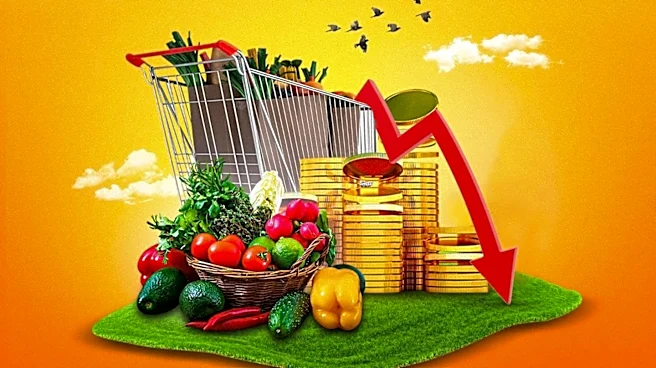
The rising cost of burritos, now reaching $20 in some cases, has become a focal point in discussions about affordability and consumer expectations in the U.S. This issue was highlighted by Andrew Kolvet of Turning Point USA, who noted the impact of inflation
on everyday items. The debate has drawn comments from figures like Ben Shapiro and Texas Representative Dan Crenshaw, who argue that high prices are a result of consumer choices and market dynamics. The discussion touches on broader themes of American abundance and the cultural expectation of affordable, plentiful food.
Why It's Important?
The debate over burrito prices underscores larger economic issues, such as inflation and the cost of living, which affect consumer behavior and spending. It highlights the tension between the cultural expectation of abundance and the economic realities that challenge this notion. The discussion also reflects on the American ethos of maximalism, where abundance is seen as a birthright. This cultural perspective influences consumer expectations and can impact market trends, as businesses navigate the balance between offering affordable products and maintaining profitability.
What's Next?
As inflation continues to affect food prices, consumers and businesses may need to adjust their expectations and strategies. This could lead to changes in consumer spending habits, with a potential shift towards more budget-conscious choices. Businesses might explore cost-cutting measures or alternative pricing strategies to remain competitive. The ongoing debate may also influence public policy discussions on economic relief measures and support for consumers facing rising costs. Additionally, the cultural conversation around abundance and affordability could prompt a reevaluation of consumer values and priorities.