






What's Happening?
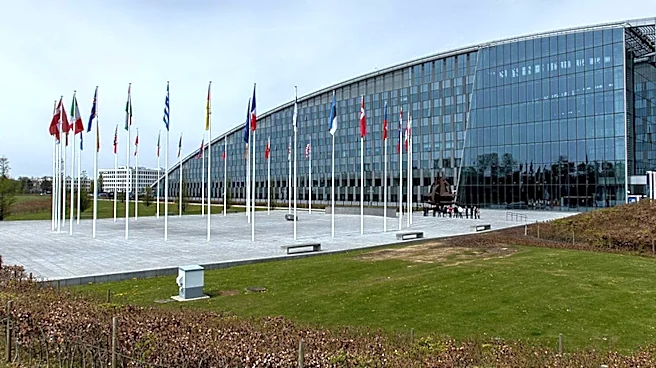
A Canadian intern, Biwei Zhang (also known as Claire Zhang), has been charged with espionage at NATO headquarters in Belgium. She was reportedly found near the office of U.S. General Alexus Grynkewich, the Supreme Allied Commander Europe, in April after
a fire alarm was pulled by a suspected accomplice. This incident triggered an investigation by NATO's Supreme Headquarters Allied Powers Europe (SHAPE) counterintelligence service, which subsequently reported its concerns to Belgian military intelligence. Ms. Zhang, an IT specialist and a naturalized Canadian of Chinese origin, was arrested in July by Belgian police and is currently in pretrial detention. Investigators suspect she was spying for a third country, which Canadian national-security sources have identified as China. Concerns have also been raised about how Ms. Zhang received security clearance from the Canadian government, given a previous fraud incident within the federal civil service.
Why It's Important?
This espionage case at NATO headquarters carries significant implications for international security and intelligence. The proximity of the alleged spy to the Supreme Allied Commander Europe's office suggests a potentially high-level intelligence breach, which could compromise sensitive NATO operations and strategies. For the U.S., as a leading member of NATO, this incident raises concerns about the security of its military leadership and intelligence within the alliance. It also highlights the persistent threat of foreign espionage targeting critical international defense organizations. The involvement of a Canadian citizen and questions surrounding her security clearance could also prompt a review of vetting processes within Canadian government agencies and their collaboration with international partners.
What's Next?
The investigation into Ms. Zhang's activities is actively ongoing, with Belgian authorities probing whether she was aided by accomplices both inside and outside NATO. Her appeal for release from prison was denied, and her pretrial detention has been extended. The Canadian Security Intelligence Service is collaborating with Belgian authorities on the case. In Canada, the Commons public safety and national security committee has launched an inquiry into the vetting of public officials, specifically addressing how Ms. Zhang was cleared to work at NATO headquarters. The judicial investigation in Belgium could take several months or even years, and it remains uncertain when or if the case will proceed to trial.
Beyond the Headlines
Beyond the immediate legal proceedings, this case exposes vulnerabilities in international security protocols and the challenges of counterintelligence in a globalized world. The alleged involvement of China underscores the growing geopolitical competition and the sophisticated methods employed by state actors to gather intelligence. The incident also raises ethical questions about the responsibilities of individuals working in sensitive international roles and the potential for dual loyalties. The fact that Ms. Zhang had a prior record of fraud within the Canadian federal civil service, yet still obtained security clearance for a NATO position, points to potential systemic weaknesses in vetting processes that could have far-reaching consequences for national and international security.