








What's Happening?
The RightsCon summit, an international human rights conference organized by the U.S.-based advocacy group Access Now, was canceled in Zambia following pressure from China. The conference, which was scheduled to take place next week, was called off after
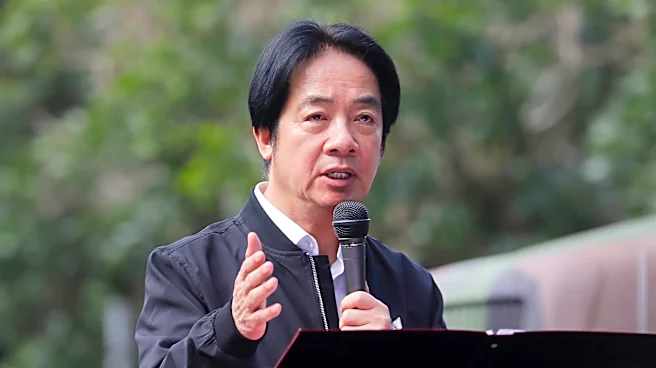
the Zambian government, influenced by China, demanded the exclusion of Taiwanese activists. Access Now stated that the Zambian authorities wanted to ensure the conference topics aligned with the country's national values and policies. The summit, which focuses on human rights and technology, was expected to host over 2,600 participants in person and 1,100 online from more than 150 countries. The cancellation follows a pattern of Chinese influence in Africa, as seen in a recent incident where Taiwan's President Lai Ching-te's visit to Eswatini was obstructed by Chinese diplomatic pressure.
Why It's Important?
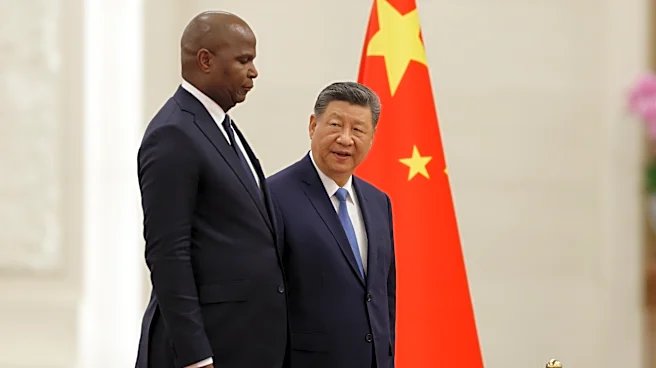
The cancellation of the RightsCon summit highlights the significant influence China wields over African nations, particularly in matters involving Taiwan. This incident underscores the geopolitical tensions between China and Taiwan, with China asserting its 'one-China' policy, which discourages countries from maintaining formal relations with Taiwan. The event's cancellation could impact international perceptions of Zambia's commitment to human rights and freedom of expression. It also raises concerns about the extent of foreign influence on domestic policies in African countries, potentially affecting their sovereignty and international relations. The situation may lead to increased scrutiny of China's diplomatic strategies and their implications for global human rights advocacy.
What's Next?
The cancellation of the RightsCon summit may prompt reactions from international human rights organizations and governments concerned about China's influence on global human rights discourse. There could be calls for Zambia to clarify its stance on human rights and its relationship with China. Additionally, the incident may lead to increased efforts by Taiwan to strengthen its diplomatic ties with other nations, particularly those in Africa, to counteract Chinese influence. The broader international community may also seek to address the implications of China's 'one-China' policy on global diplomatic relations and human rights advocacy.