




What's Happening?
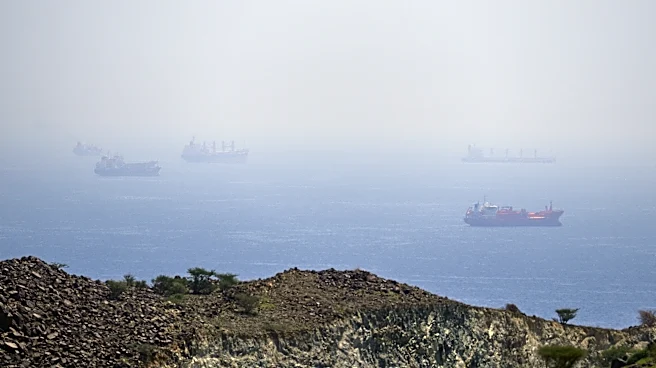
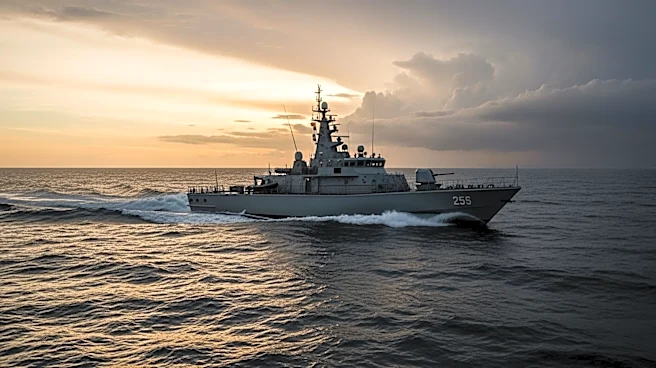
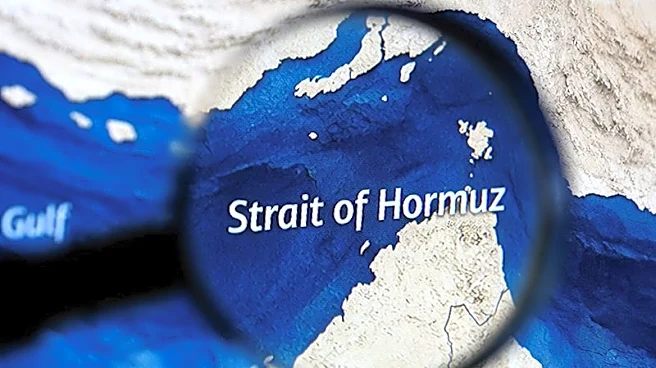
The U.S. military is developing plans to target Iran's defenses in the Strait of Hormuz if the current ceasefire fails. These plans include dynamic targeting of Iran's naval capabilities, such as fast attack boats and minelaying vessels, which have been
used to control the strategic waterway. The potential military actions aim to reopen the strait and pressure Iran into negotiations. However, military strikes alone may not immediately resolve the situation, as Iran's remaining military assets pose a significant challenge. The U.S. is also considering targeting Iranian infrastructure and military leaders to compel Iran to the negotiating table.
Why It's Important?
The Strait of Hormuz is a vital passage for global oil shipments, and any disruption could have far-reaching economic consequences. The U.S. strategy to use military force as leverage in negotiations highlights the complexities of international diplomacy and the risks of military escalation. The situation underscores the importance of balancing military and diplomatic efforts to achieve strategic objectives. The outcome of these developments could influence U.S. foreign policy and its relations with Iran and other regional actors.
What's Next?
The U.S. military's readiness to engage in military action suggests a potential escalation if diplomatic efforts fail. The international community may call for renewed diplomatic initiatives to prevent further military actions and stabilize the region. The U.S. may continue to engage with allies and partners to coordinate a response to the evolving situation. The potential for military action remains a critical factor in the ongoing negotiations, and the U.S. will likely continue to assess its strategic options in response to Iran's actions.