










What's Happening?
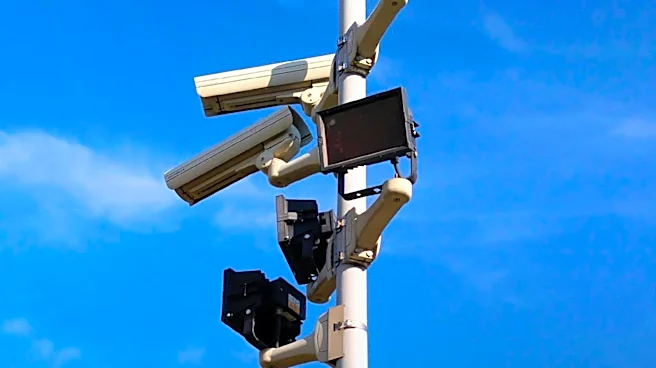
Flock, a company known for its surveillance technology, has decided to cancel its 'human distress detection' pilot program following significant public backlash. The program involved audio surveillance devices designed to detect sounds of distress, such
as screaming, in public spaces. The Electronic Frontier Foundation (EFF) announced the cancellation, highlighting the power of public pressure in influencing corporate decisions. Despite the cancellation, Flock still has numerous audio devices installed across the U.S., often deployed at the request of local law enforcement. The program raised concerns about privacy and civil liberties, as it could potentially be used by law enforcement to justify increased surveillance in communities.
Why It's Important?
The cancellation of Flock's audio surveillance feature underscores the growing public concern over privacy and the potential misuse of surveillance technology. The ability of public pressure to influence corporate decisions highlights the importance of civic engagement in shaping technology policies. The presence of such surveillance devices raises questions about the balance between public safety and individual privacy rights. The ongoing deployment of these devices, despite the cancellation of the pilot program, suggests that the debate over surveillance technology and its implications for civil liberties is far from over.
What's Next?
The future of surveillance technology will likely involve increased scrutiny from both the public and regulatory bodies. Companies may face pressure to be more transparent about their surveillance practices and to ensure that their technologies do not infringe on individual rights. Policymakers may also consider implementing stricter regulations to govern the use of surveillance technology, particularly in public spaces. The ongoing dialogue between technology companies, regulators, and the public will be crucial in determining the ethical and legal boundaries of surveillance in society.