





What's Happening?
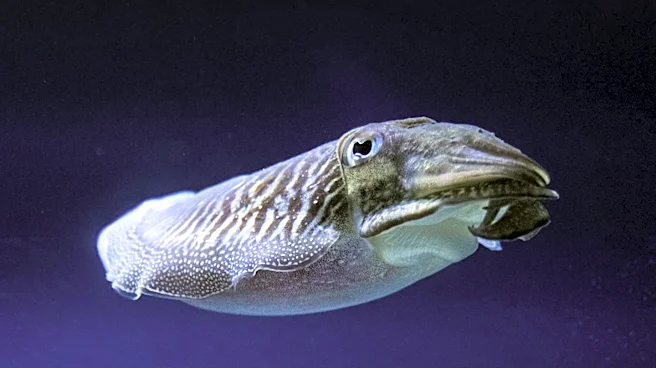
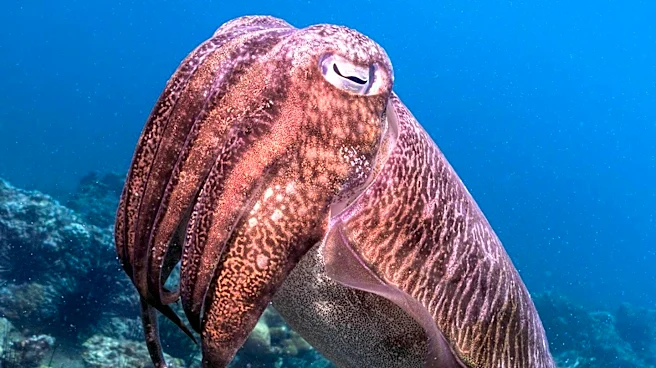
The annual aggregation of giant Australian cuttlefish at Point Lowly, South Australia, has seen a dramatic decline in numbers in 2026. Typically, more than 100,000 cuttlefish gather for mating, but this year, fewer than 10 were observed per dive in areas
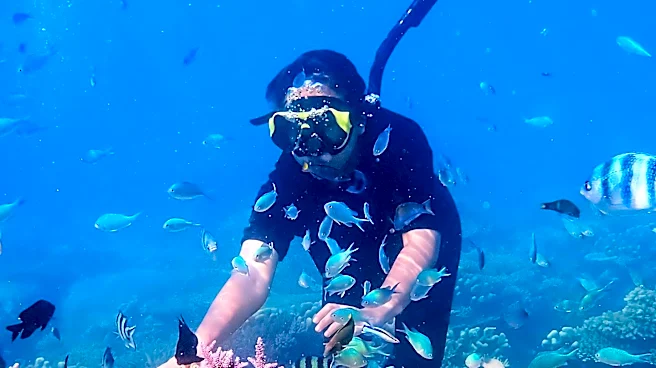
that usually host hundreds. The South Australian government confirmed the reduced numbers, which are attributed to potential factors such as an algal bloom dominated by Karenia cristata and changes in water temperature. A 90-day tourism ban was imposed to protect the remaining cuttlefish, and Invertebrates Australia is convening a working group to assess the population's conservation status.
Why It's Important?
The decline in cuttlefish numbers at Point Lowly is significant due to the site's status as the only known mass aggregation of this species, which is National Heritage-listed. The cuttlefish are a key attraction for tourism, contributing to the local economy. The decline raises concerns about the impact of environmental changes on marine biodiversity and the potential long-term effects on the ecosystem. Understanding the causes of the decline is crucial for developing conservation strategies to protect this unique natural phenomenon.
What's Next?
Further research is needed to determine the exact causes of the cuttlefish decline and to develop effective conservation measures. The working group convened by Invertebrates Australia will compile evidence to review the population's status on the IUCN Red List. Continued monitoring and potential interventions, such as habitat protection and management of algal blooms, will be essential to support the recovery of the cuttlefish population. The tourism ban may be extended or adjusted based on the findings of ongoing research.