








What's Happening?
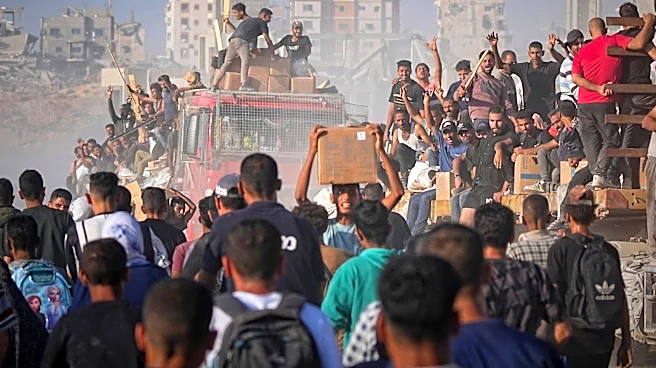
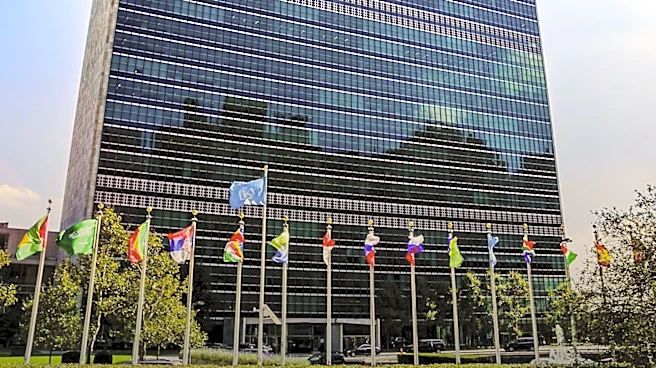
The United Nations World Food Programme (WFP) has announced a significant reduction in food assistance to the West Bank, halving support from 400,000 to 200,000 people due to severe funding shortages. This cut, effective this month, comes despite an estimated
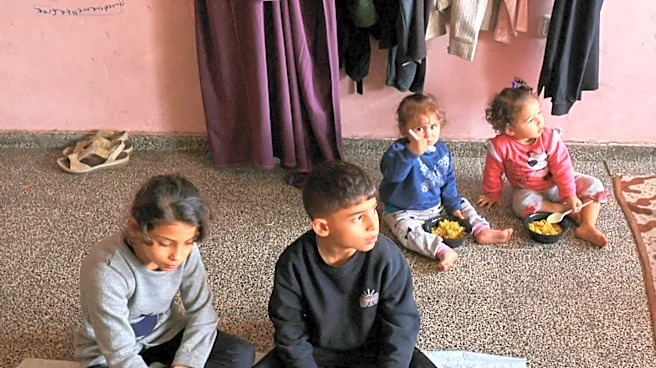
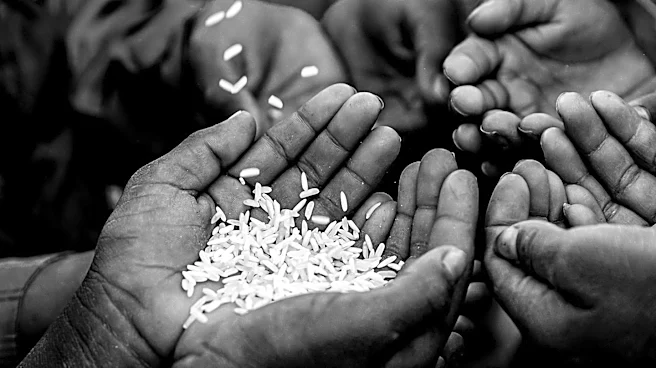
900,000 people in the West Bank facing food insecurity, a figure that has doubled over the past two years. The WFP's Country Director, Shaun Hughes, noted that while food might be available in markets, economic pressures and funding shortfalls are making it unaffordable for many. In Gaza, the WFP has already reduced the cash value of assistance by 40% for 375,000 people in July and warns that further cuts are unavoidable without additional funding. The agency urgently requires an additional $386 million over the next six months to continue supporting an estimated two million food-insecure individuals across Gaza and the West Bank.
Why It's Important?
This reduction in food aid highlights a deepening humanitarian crisis in the West Bank and Gaza, with direct implications for the stability and well-being of the Palestinian population. The WFP's decision to cut assistance, even as food insecurity rises, underscores the critical impact of funding shortfalls on international aid efforts. The situation is exacerbated by worsening conditions in the West Bank, including severe movement restrictions, demolitions, and displacement, which have deteriorated livelihoods. The potential for further cuts in Gaza, where 1.5 million people receive WFP assistance, could push up to 90% of the population into acute food insecurity by the end of the year, according to UN-linked Integrated Food Security Classification (IPC) forecasts. This crisis could lead to increased social unrest, health issues, and further displacement, creating a more volatile environment in an already fragile region.
What's Next?
The WFP is actively seeking an additional $386 million to prevent further cuts and sustain its operations for the next six months in Gaza and the West Bank. Without this funding, the agency will be forced to prioritize the most vulnerable households, leaving many others without essential support. The situation is expected to worsen, with the IPC forecasting high levels of acute food insecurity for a vast majority of Gaza's population by year-end if aid is not sustained. The international community's response to the WFP's urgent appeal will determine the immediate future of food security for millions of Palestinians. Continued monitoring of funding levels and humanitarian conditions will be crucial, as will potential diplomatic efforts to address the underlying economic and political factors contributing to the crisis.
Beyond the Headlines
The WFP's funding crisis in the West Bank and Gaza points to a broader challenge in international humanitarian aid, where increasing needs are met with diminishing resources. This situation raises ethical questions about the global responsibility to protect vulnerable populations and the long-term consequences of aid reductions. The economic pressures, including high unemployment rates and restricted access to markets, create a cycle of dependency that is difficult to break. The cuts could also have significant social implications, potentially leading to increased desperation, crime, and instability within the affected communities. Furthermore, the crisis underscores the interconnectedness of political stability, economic opportunity, and humanitarian aid, suggesting that a sustainable solution requires addressing all these facets comprehensively.