

What's Happening?
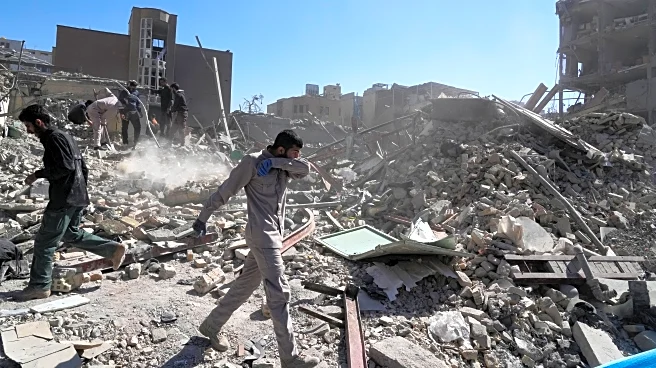
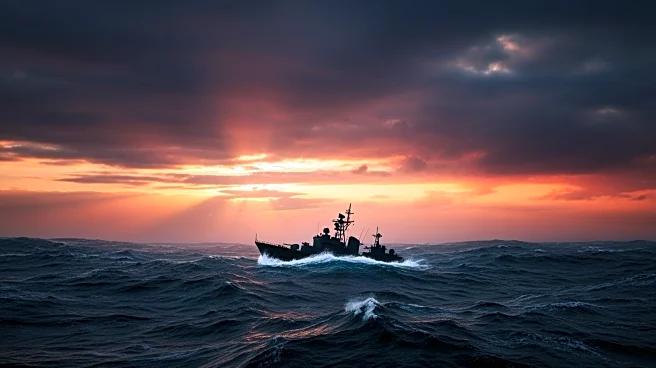
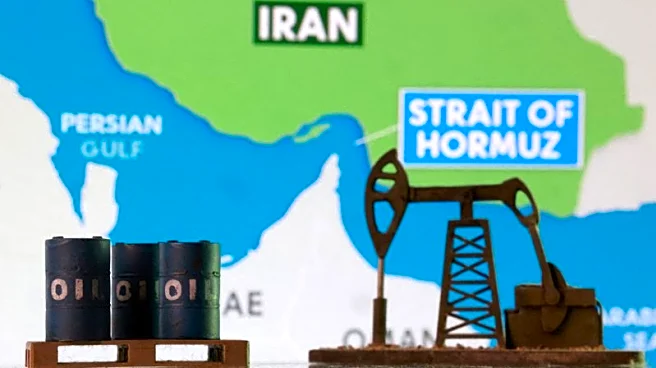
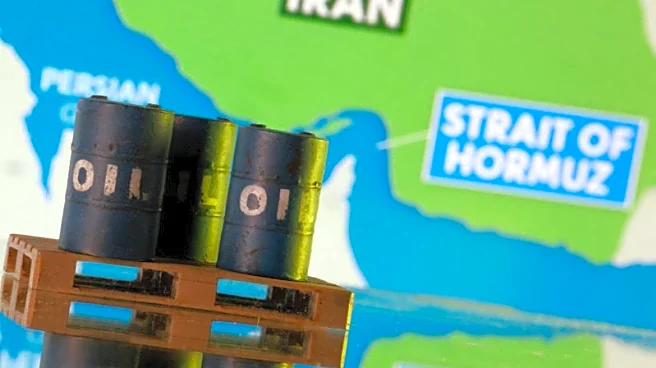
The ongoing conflict between the United States and Iran is causing significant concerns over potential disruptions to global trade routes, particularly the Strait of Hormuz, a vital passage for energy shipments. According to Sarah Jinhui Wu, a Professor
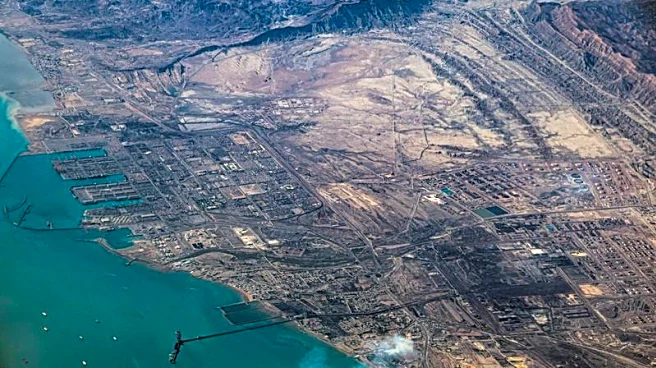
of Operations Management at Fordham University, the instability in the region is already impacting shipping networks, energy prices, and supply chains worldwide. The conflict has led to increased variability in supply chains, with shipping lead times becoming less reliable as carriers adjust their operations. This has forced companies to shift from cost optimization to ensuring continuity, resulting in higher safety stocks and more multi-sourcing, especially for energy-dependent inputs. The conflict has also caused oil prices to rise, as the Gulf region's instability threatens supply continuity, leading to an energy price shock.
Why It's Important?
The conflict's impact on the Strait of Hormuz, through which about 20% of global petroleum consumption passes, could have severe implications for global energy markets. Any disruption in this critical chokepoint can lead to significant price fluctuations, affecting fuel and freight costs. The logistics sector is particularly vulnerable, as carriers may impose emergency surcharges, increasing shipping costs. This situation could lead to higher prices for consumers and businesses, affecting economic stability. The conflict underscores the interconnectedness of global supply chains and the potential for geopolitical tensions to disrupt economic activities worldwide.
What's Next?
If the conflict continues, further disruptions in the Strait of Hormuz could exacerbate the situation, leading to more significant impacts on global supply chains and energy markets. Companies may need to explore alternative routes and sources to mitigate risks. Governments and international organizations might engage in diplomatic efforts to stabilize the region and ensure the free flow of trade. The situation requires close monitoring, as any escalation could have far-reaching consequences for global trade and economic stability.