
What's Happening?
Rapper Boosie Badazz, whose real name is Torence Hatch, was sentenced to no prison time after pleading guilty to gun possession charges. The sentencing took place in a San Diego federal court, where Judge
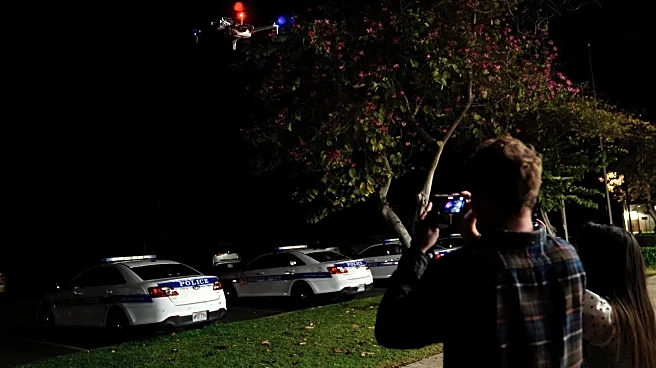
Cathy Ann Bencivengo ordered Boosie to time served, three years of supervised release, and a $50,000 fine. This decision follows a plea deal Boosie made with prosecutors in August, despite federal recommendations for a two-year prison sentence. The charges stemmed from a June 2023 incident where Boosie was found with a firearm, violating federal law due to his previous felony convictions. The arrest was notable for its use of social media monitoring and aerial surveillance. Boosie expressed relief and gratitude for avoiding prison, stating plans to resume his music career.
Why It's Important?
The case highlights ongoing debates about the criminal justice system, particularly regarding sentencing for gun possession by felons. Boosie's case underscores the complexities of plea deals and the discretion judges have in sentencing. The decision to avoid prison time, despite federal recommendations, may influence future cases involving similar charges. It also reflects on the role of social media in law enforcement and the potential for surveillance in criminal investigations. For Boosie, the outcome allows him to continue his career, impacting his personal and professional life significantly. The case also raises questions about the fairness and consistency of sentencing in the U.S. legal system.
What's Next?
Boosie plans to seek a pardon from President Trump, having already hired lobbyists to assist in this effort. If successful, a pardon could further clear his record and impact his future legal standing. Meanwhile, Boosie intends to focus on his music career, potentially accelerating projects that were delayed due to the legal proceedings. The case may also prompt discussions among legal experts and policymakers about the use of surveillance in law enforcement and the implications for privacy and civil liberties.