







What's Happening?
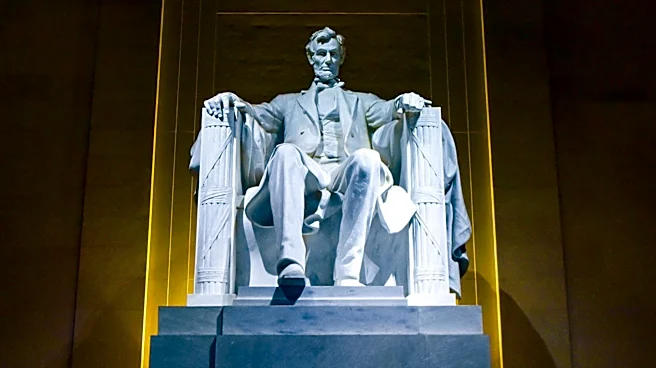
Greg Ballard, a former Indianapolis mayor, is making a significant move in the Indiana secretary of state race by running as an independent under the Lincoln Party label. Ballard has submitted over 41,000 petition signatures to qualify for the November
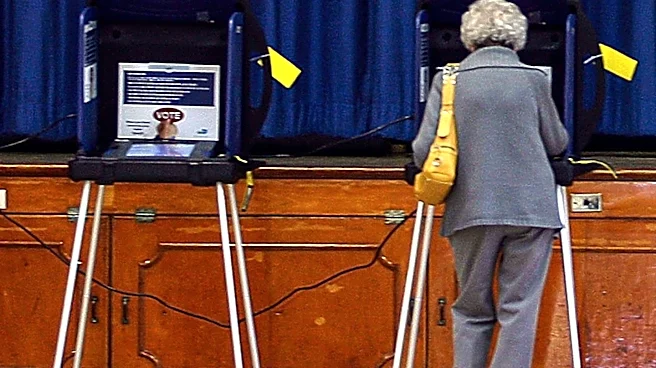
ballot, aiming to create a pathway for other independent candidates. His campaign is not just about his candidacy but about establishing a movement to simplify ballot access for independents, which currently requires onerous signature collections. Ballard's entry into the race creates a four-candidate field, including Republican Max Engling, Democrat Beau Bayh, and Libertarian Lauri Shillings. The Lincoln Party, if successful in garnering 2% of the vote, would secure automatic ballot access for the next four years, potentially reshaping Indiana's political landscape.
Why It's Important?
Ballard's campaign under the Lincoln Party could significantly impact Indiana's political dynamics by lowering barriers for independent candidates. This move challenges the traditional two-party system, potentially increasing political diversity and voter choice. If successful, the Lincoln Party could provide a platform for candidates disillusioned with the major parties, fostering a more inclusive political environment. This development could influence election strategies, campaign financing, and voter engagement, as independents gain a more substantial foothold in state politics. The outcome of this race could set a precedent for other states, encouraging similar movements and altering the national political discourse.
What's Next?
The Indiana Election Division will review the submitted signatures to confirm Ballard's place on the ballot. If the Lincoln Party secures 2% of the vote, it will gain automatic ballot access for future elections, potentially attracting more candidates. The race will likely see increased campaign activity and spending as candidates vie for voter support. Political analysts and stakeholders will closely watch the impact of Ballard's candidacy on voter turnout and party dynamics. The success of the Lincoln Party could inspire similar initiatives in other states, challenging the dominance of the two-party system and promoting electoral reform.