


What's Happening?
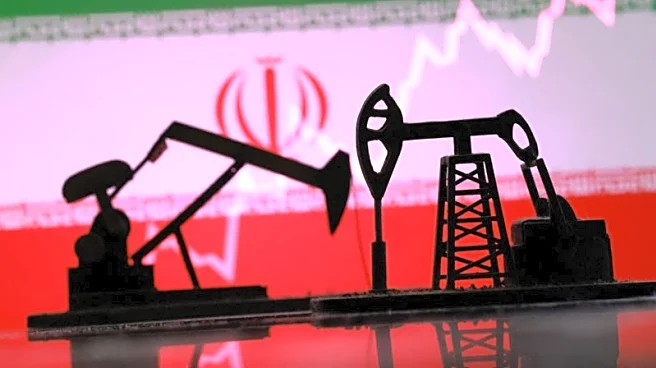
Gas prices across the United States are on the rise, with the national average for a gallon of gas increasing by 27 cents due to conflicts in Iran and the Middle East. Some states, such as Georgia and Louisiana, have seen increases of nearly 40 cents per
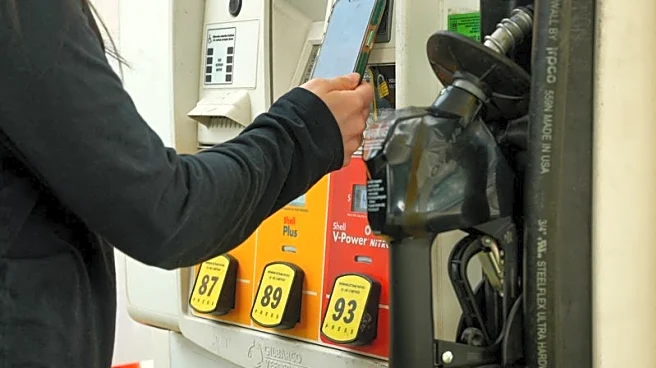
gallon. The shift from winter to summer fuel, which is more expensive but offers better mileage, is also contributing to the price hike. As consumers face these rising costs, experts are offering tips to save money at the pump. Suggestions include using apps like GasBuddy and AAA to track local gas prices, utilizing gas station rewards programs, paying with cash to avoid credit card fees, and maintaining proper tire pressure to improve fuel efficiency.
Why It's Important?
The increase in gas prices has significant implications for consumers and the broader economy. Higher fuel costs can lead to increased transportation expenses, affecting everything from daily commutes to the cost of goods and services. For individuals, finding ways to save on gas can help mitigate the financial impact of these rising prices. On a larger scale, sustained high gas prices could influence consumer behavior, potentially accelerating the adoption of fuel-efficient vehicles and alternative transportation methods. Additionally, the situation underscores the importance of energy policy and the need for strategies to stabilize fuel prices and reduce dependency on volatile international markets.