
What's Happening?
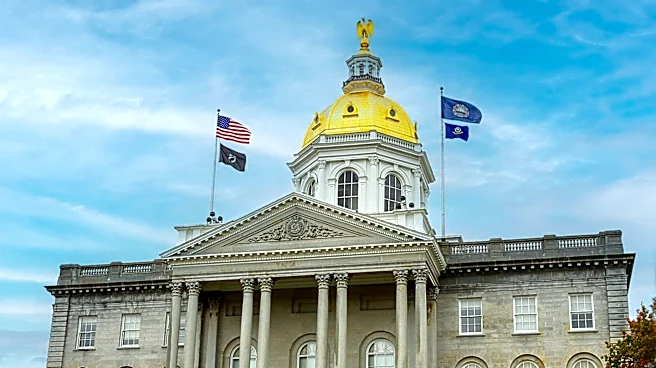
New Hampshire is holding its primary elections, with both Democratic and Republican parties facing internal dynamics shaped by national political trends. For Democrats, some progressive candidates are
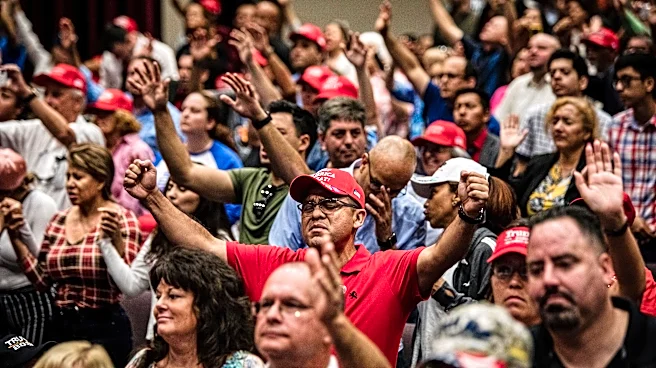
attempting to replicate a 2006 upset victory, challenging the party's traditional 'cautious centrist' playbook. Despite significant spending by more centrist candidates, progressive contenders have gained ground, indicating a restless mood within the Democratic Party. On the Republican side, the primaries are testing the enduring influence of President Trump. Despite his low approval ratings nationally, President Trump continues to command strong support within the Republican Party, with his endorsements playing a significant role in shaping primary outcomes. Candidates are largely aligning with President Trump's positions on key issues, and his endorsement has proven to be a powerful factor in the U.S. Senate and 1st Congressional District races.
Why It's Important?
These primaries are a crucial indicator of the current political landscape in New Hampshire and potentially a bellwether for national trends. For Democrats, the performance of progressive candidates will reveal whether the party's long-standing strategy of nominating moderate candidates to appeal to independent voters remains viable, or if a more progressive approach is gaining traction. A strong showing by progressive challengers could signal a shift in the Democratic Party's base and its preferred electoral strategy. For Republicans, the primaries demonstrate the continued dominance of President Trump's influence within the party, even two years after his comeback win. The alignment of candidates with President Trump's agenda and the impact of his endorsements highlight the challenges for any Republican seeking to distance themselves from his political brand. The turnout on primary day will also offer insights into voter enthusiasm for both parties, which could have significant implications for the November general elections.
What's Next?
The results of the New Hampshire primaries will provide immediate insights into the strength of progressive movements within the Democratic Party and the enduring influence of President Trump among Republicans. Observers will be closely watching voter turnout, particularly in key precincts, to gauge overall enthusiasm for each party. A higher-than-expected Democratic turnout could signal a promising outlook for them in November, while Republican turnout will indicate the level of engagement among President Trump's base. The outcomes will also shape the general election matchups, determining which candidates will face off in the highly competitive races for U.S. Senate and the 1st Congressional District. The performance of candidates in these primaries will likely influence campaign strategies and resource allocation for the upcoming general election, as both parties assess the effectiveness of their respective playbooks in the current political climate.
Beyond the Headlines
The New Hampshire primaries reflect a broader ideological struggle within both major U.S. political parties. For Democrats, the tension between the establishment's centrist approach and the progressive wing's desire for more disruptive change highlights a fundamental debate about the party's identity and its path to electoral success. This internal conflict could lead to a re-evaluation of long-held strategies and potentially reshape the Democratic platform in future elections. On the Republican side, the unwavering support for President Trump, despite national approval ratings, underscores a significant ideological consolidation around his populist agenda. This suggests that the Republican Party's future may remain deeply intertwined with President Trump's influence, potentially delaying any significant post-Trump ideological shifts. The primaries also highlight the unique political culture of New Hampshire, a state with a strong tradition of independent voters, which often forces both parties to adapt their national strategies to local preferences. The results will offer a nuanced understanding of how national political currents are playing out at the state level.